Low Fiber Diet Foods for Digestive Comfort

Contents
A low-fiber diet is a temporary eating plan designed to reduce the amount of dietary fiber consumed each day. While fiber is normally beneficial for digestion and overall health, there are certain situations where lowering fiber intake can help the digestive system recover and function more comfortably.
Doctors sometimes recommend a low-fiber diet during digestive flare-ups, after gastrointestinal surgery, or before certain medical procedures such as colonoscopies. People dealing with conditions like Crohn’s disease, ulcerative colitis, diverticulitis, or severe irritable bowel syndrome may also benefit from reducing fiber for a short period while symptoms settle.
This article explains what a low-fiber diet is, who it may help, and which foods are typically easier to digest. It also provides simple meal ideas and practical tips so readers can follow the diet safely while still maintaining balanced nutrition.
What Is a Low Fiber Diet?
Dietary fiber is a type of carbohydrate found mainly in plant-based foods such as fruits, vegetables, legumes, whole grains, nuts, and seeds. Unlike other carbohydrates, fiber is not completely digested by the body. Instead, it helps regulate digestion, supports gut bacteria, and promotes healthy bowel movements.
However, when the digestive system becomes inflamed or irritated, large amounts of fiber can sometimes worsen symptoms. High-fiber foods can increase stool bulk and stimulate the intestines, which may lead to discomfort during periods of digestive sensitivity. In these situations, temporarily reducing fiber intake can give the digestive tract time to rest.
Most low-fiber diets limit daily fiber intake to around 10-15 grams per day, although exact recommendations vary depending on medical advice and individual health needs. It’s important to remember that reducing fiber does not mean eliminating essential nutrients. Many low-fiber foods still provide protein, vitamins, minerals, and energy needed for recovery.
Who May Benefit from a Low Fiber Diet
A low-fiber diet is often recommended as part of a treatment plan for certain digestive conditions. It is usually intended as a short-term strategy rather than a permanent way of eating. Healthcare providers may suggest it during periods when the digestive system needs additional support.
People with Crohn’s disease or ulcerative colitis sometimes follow a low-fiber diet during flare-ups to reduce irritation and allow inflamed areas of the intestine to heal. Lowering fiber intake may help reduce symptoms such as abdominal pain, diarrhea, and bloating.
Similarly, individuals recovering from intestinal surgery or dealing with diverticulitis may benefit from temporarily limiting fiber. Doctors may also recommend this diet before medical procedures like colonoscopies to ensure the digestive tract is clear. Because each condition is different, it’s always best to follow medical guidance when starting or adjusting a low-fiber eating plan.
Best Low Fiber Foods to Eat
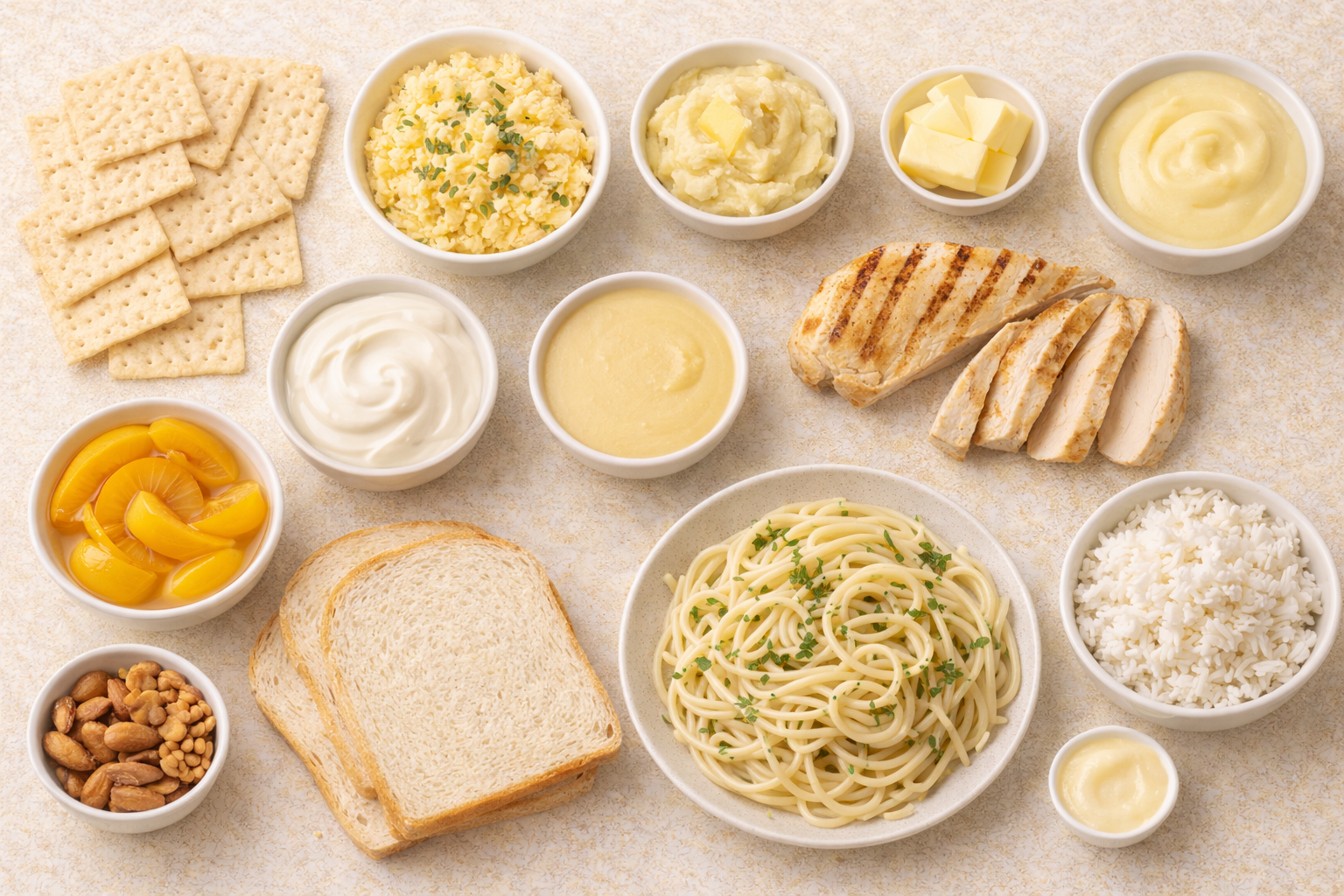
When following a low-fiber diet, the focus is on foods that are easy to digest and gentle on the gastrointestinal system. These foods tend to contain minimal fiber while still providing protein, carbohydrates, and essential nutrients.
Refined grains are commonly included in a low-fiber diet. Foods such as white rice, refined pasta, and white bread contain significantly less fiber than whole-grain alternatives and are often easier for the digestive system to handle. These foods provide carbohydrates that help maintain energy levels without adding extra digestive stress.
Protein-rich foods are also important. Eggs, lean poultry, and fish contain no fiber and offer high-quality protein that supports healing and muscle maintenance. Dairy products like plain yogurt can also be well tolerated, particularly because yogurt provides probiotics that may support gut health.
Certain fruits and vegetables may still be included if they are prepared properly. Well-cooked vegetables without skins and soft fruits like ripe bananas are usually easier to digest. Cooking vegetables until soft and removing tough skins or seeds helps reduce fiber content and makes them gentler on the digestive tract.
Foods to Limit or Avoid on a Low Fiber Diet
While many high-fiber foods are extremely nutritious, they can sometimes irritate the digestive system when symptoms are active. Temporarily avoiding these foods may help reduce inflammation and discomfort.
Whole grains such as brown rice, whole wheat bread, oats, and bran cereals are high in fiber and typically limited during a low-fiber diet. Similarly, raw vegetables and salads can be difficult to digest because they contain insoluble fiber that stimulates intestinal activity.
Other foods commonly restricted include nuts, seeds, beans, lentils, and popcorn. These foods contain dense fiber structures that may irritate sensitive digestive systems. Fruits with skins, such as apples, pears, and berries, can also increase fiber intake and may need to be avoided temporarily.
It’s important to remember that these foods are generally very healthy and should not necessarily be eliminated permanently. In most cases, they can be reintroduced gradually once digestive symptoms improve.
Sample Low Fiber Meal Ideas
Following a low-fiber diet does not mean meals have to be bland or restrictive. Simple ingredients prepared in gentle ways can still create balanced and satisfying meals.
A typical day might start with scrambled eggs and white toast for breakfast, which provides protein and easily digestible carbohydrates. For lunch, grilled chicken with white rice and cooked carrots offers a balanced combination of protein and energy without excess fiber.
Snacks can be light and soothing, such as plain yogurt or a ripe banana, both of which are commonly tolerated during digestive recovery. Dinner might include baked fish served with mashed potatoes and soft-cooked vegetables, creating a meal that is both comforting and easy on the stomach.
These meals focus on simplicity and digestibility while still providing the nutrients needed to support recovery and daily activity.
Tips for Following a Low Fiber Diet Safely
Adapting to a low-fiber diet can feel unfamiliar at first, but a few practical strategies can make the process easier and more comfortable. Eating smaller, more frequent meals throughout the day may reduce strain on the digestive system compared to consuming large portions at once.
Staying well hydrated is also important. Drinking enough water helps maintain digestion and prevents dehydration, especially if digestive symptoms include diarrhea. Choosing gentle cooking methods such as steaming, boiling, or baking can also make foods easier to digest compared to frying or heavy seasoning.
Finally, it is important to reintroduce fiber gradually once symptoms improve. Slowly adding back fruits, vegetables, and whole grains allows the digestive system to adjust without triggering discomfort. This gradual transition helps restore the long-term benefits of a fiber-rich diet.
Conclusion
A low-fiber diet can be a helpful short-term strategy for people experiencing digestive inflammation, recovering from surgery, or preparing for medical procedures. By choosing easily digestible foods and temporarily limiting high-fiber ingredients, the digestive system can rest and recover more effectively.
Although fiber restriction can provide relief during certain situations, it is generally not meant to be permanent. Once symptoms improve, gradually reintroducing fiber-rich foods helps restore balance and supports long-term digestive health. For anyone considering a low-fiber diet, consulting a healthcare professional can help ensure the plan remains both safe and nutritionally balanced.
