Best Vegetarian and Vegan Protein Sources

Contents
Many people assume it’s difficult to get enough protein without eating meat. In reality, there are plenty of vegetarian protein sources and vegan protein sources that provide the nutrients your body needs for energy, muscle repair, and overall health.
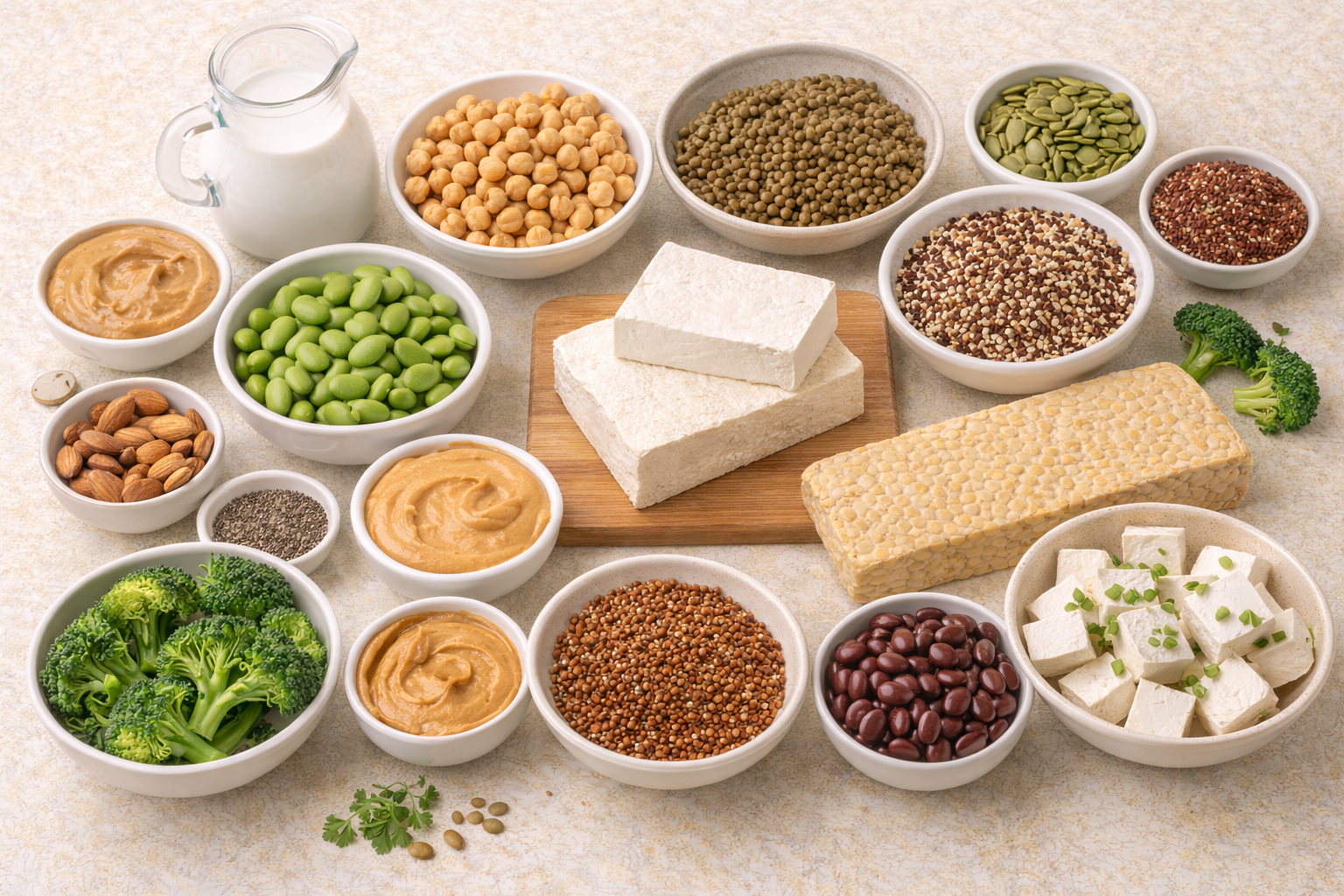
Foods like lentils, tofu, quinoa, dairy products, nuts, and seeds are excellent plant based protein sources that can easily be incorporated into everyday meals. When chosen thoughtfully, these foods can help you meet your daily protein needs while supporting an active and balanced lifestyle.
In this guide, we’ll explore some of the most nutritious high protein vegan foods and vegetarian options, along with practical meal ideas to help you include more protein-rich plant foods in your daily diet.
Why Protein Matters in a Plant-Based Diet
Protein is responsible for many essential functions in the body. It helps repair tissues, supports muscle growth, strengthens the immune system, and contributes to healthy hair, skin, and nails. For individuals who exercise regularly or aim to build muscle, protein intake becomes even more important because muscles rely on amino acids for recovery after training.
Plant-based diets can absolutely meet protein requirements when meals are properly balanced. While some plant proteins contain slightly different amino acid profiles compared to animal proteins, consuming a variety of foods throughout the day helps ensure the body receives all essential amino acids.
Learning how to calculate macros can also help individuals determine how much protein they need based on body weight, lifestyle, and activity levels. This approach allows people following plant-based diets to maintain balanced nutrition while supporting fitness or wellness goals.
Another helpful strategy is including a variety of high protein meal recipes that incorporate legumes, soy products, whole grains, and seeds. These combinations provide complete nutrition while keeping meals satisfying and flavorful.
The Best Vegetarian Protein Sources
Vegetarian diets typically include dairy and eggs, which are naturally high in protein and provide essential amino acids needed for muscle maintenance and recovery.
Greek Yogurt
Greek yogurt is one of the most popular vegetarian protein sources because it contains significantly more protein than regular yogurt. A single serving can provide around 15–20 grams of protein, making it an excellent option for breakfast or a midday snack.
In addition to protein, Greek yogurt also contains probiotics that support digestive health and calcium that helps maintain strong bones.
Eggs
Eggs are considered one of the most complete protein foods available. They contain all nine essential amino acids required by the body and are rich in nutrients like vitamin B12, choline, and vitamin D.
They are also incredibly versatile. Eggs can be included in breakfast scrambles, salads, wraps, or high-protein bowls, making them a convenient choice for anyone following a vegetarian diet.
Cottage Cheese
Cottage cheese is another excellent dairy-based protein source. It is relatively low in carbohydrates while being rich in casein protein, which digests slowly and provides a steady supply of amino acids to the body.
Because of its mild flavor, cottage cheese can be eaten on its own, mixed with fruits and nuts, or added to savory meal bowls.
Milk and Dairy Products
Milk and other dairy products provide both protein and essential nutrients such as calcium and vitamin D. They can be consumed as beverages, used in smoothies, or incorporated into meals like oatmeal and soups.
These foods make it easier for vegetarians to maintain balanced protein intake while supporting bone health and overall nutrition.
The Best Vegan Protein Sources
For individuals following a fully plant-based lifestyle, there are still many powerful vegan protein sources that can support muscle recovery, energy levels, and overall health.
Lentils
Lentils are one of the most nutrient-dense plant based protein sources available. A single cup of cooked lentils contains around 18 grams of protein along with fiber, iron, and complex carbohydrates.
They are commonly used in soups, curries, and salads, making them both nutritious and versatile.
Chickpeas
Chickpeas are another excellent example of high protein vegan foods. They provide protein, fiber, and important minerals that support digestion and energy levels.
Chickpeas can be roasted for crunchy snacks, blended into hummus, or added to salads and grain bowls.
Tofu
Tofu is made from soybeans and is one of the most popular vegan protein options. It contains all essential amino acids, making it a complete plant protein.
Its mild flavor allows it to absorb seasonings and sauces easily, which makes it ideal for stir-fries, salads, and rice bowls.
Tempeh
Tempeh is a fermented soy product that contains even more protein than tofu. It also provides probiotics that support gut health and digestion.
Its firm texture makes it suitable for grilling, sautéing, or slicing into sandwiches and wraps.
Quinoa
Quinoa is unique among grains because it contains all nine essential amino acids. This makes it one of the most valuable plant based protein sources for individuals following vegan diets.
In addition to protein, quinoa also provides fiber, magnesium, and antioxidants.
Nuts and Seeds
Nuts and seeds such as almonds, pumpkin seeds, chia seeds, and hemp seeds are excellent sources of protein and healthy fats. They are also rich in micronutrients that support overall health.
Although they are calorie-dense, moderate portions can significantly contribute to daily protein intake.
How to Get Enough Protein on a Vegetarian or Vegan Diet
Meeting protein needs on a plant-based diet becomes much easier when meals include a variety of ingredients. Combining different plant foods helps ensure that the body receives all essential amino acids needed for muscle repair and growth.
For example, pairing grains with legumes creates a balanced protein profile. Classic combinations such as rice and beans or hummus with whole grain bread provide complete nutrition.
It is also helpful to include protein in every meal. Breakfasts might include yogurt or tofu scrambles, lunches could feature quinoa bowls or lentil salads, and dinners may include stir-fried tofu or chickpea curries.
Individuals focused on fitness goals may benefit from following a structured muscle growth meal plan that includes balanced plant-based meals designed to support strength and recovery.
Simple Meal Ideas Using Plant-Based Protein
Incorporating vegetarian and vegan protein into daily meals does not have to be complicated. With a few simple ingredients, it is possible to create balanced meals that provide energy and support muscle health.
Breakfast: A smoothie made with plant-based protein powder, banana, almond milk, and chia seeds offers a quick and nutritious start to the day.
Lunch: A quinoa salad with chickpeas, roasted vegetables, olive oil, and lemon dressing provides a satisfying and protein-rich midday meal.
Dinner: Stir-fried tofu with mixed vegetables and brown rice creates a balanced dinner that delivers protein, complex carbohydrates, and healthy fats.
Snack: Greek yogurt with nuts (for vegetarians) or roasted chickpeas for vegans provides a convenient and protein-rich snack between meals.
Conclusion
Protein plays a crucial role in supporting energy levels, muscle health, and overall body function. Fortunately, there are many excellent vegetarian protein sources and vegan protein sources that make it easy to meet daily nutritional needs without relying on meat.
By incorporating a variety of plant based protein sources such as lentils, tofu, chickpeas, quinoa, nuts, and dairy products for vegetarians, it becomes possible to build balanced meals that support long-term health and fitness goals.
Including diverse protein rich foods vegetarian options in everyday meals ensures that the body receives essential nutrients while maintaining energy and supporting muscle recovery. With thoughtful meal planning and variety, plant-based diets can provide everything needed for a healthy and active lifestyle.
