Lifter Life Blog

Dive into our blog for a treasure trove of culinary inspiration! Uncover the secrets of wholesome meal plans, tantalizing recipes, and expert tips that make healthy eating a joyous experience.

is shrimp good for weight loss
Is Shrimp Good for Weight Loss? Calories and Tips

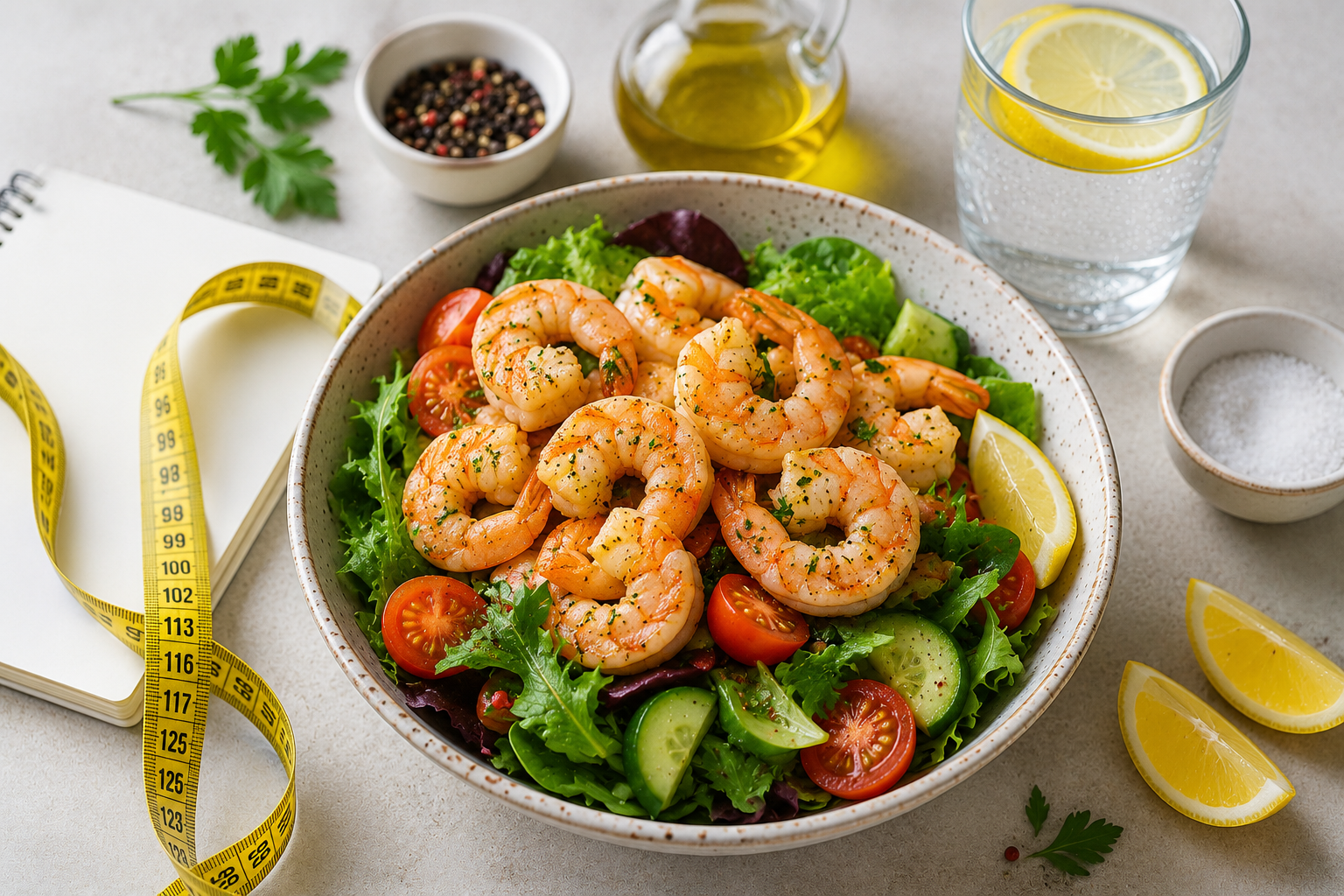
Yes, shrimp is good for weight loss. A 3 oz serving of cooked shrimp contains around 84 to 90 calories and 18 to 20 grams of protein with virtually zero carbohydrates and minimal fat. The key is how you cook it. Boiled, grilled and steamed shrimp are excellent for weight loss. Fried shrimp is not.If you are looking for a high protein, low calorie food that keeps you full without eating into your daily calorie budget, shrimp is one of the smartest choices available. It is versatile, quick to cook and works in salads, stir fries, curries and grills.This article breaks down exactly why shrimp supports weight loss, how many calories are in each cooking method and the best ways to eat it as part of a structured diet.Shrimp Nutrition Facts: Calories and MacrosBefore asking is shrimp good for losing weight, it helps to understand what is actually in it. Here is the nutritional breakdown of a standard 100g serving of cooked shrimp according to USDA data:NutrientPer 100g cooked shrimpCalories99Protein20gFat0.3gCarbohydrates0gSodium111mgCholesterol189mgThe numbers speak for themselves. Shrimp delivers 20 grams of protein for under 100 calories with almost no fat and zero carbohydrates. That protein to calorie ratio is difficult to match with almost any other food, including chicken breast, tofu or eggs.Is Shrimp Good for Weight Loss?Yes. Shrimp supports weight loss for three clear reasons.High protein keeps you fullProtein is the most satiating macronutrient. A 3 oz serving of shrimp provides 18 to 20 grams of protein, which helps control appetite, reduce cravings and prevent overeating throughout the day. Higher protein intake is consistently linked to better appetite control and fewer total calories consumed.Low calories support a calorie deficitWeight loss comes down to consistently eating fewer calories than you burn. Because shrimp is so low in calories, you can eat a generous portion without using up a large chunk of your daily budget. This leaves room for vegetables, whole grains and healthy fats in the same meal.Supports metabolism through key nutrientsShrimp is rich in iodine and selenium, two minerals essential for healthy thyroid function. Your thyroid controls how quickly your body burns calories. Adequate iodine and selenium intake supports an efficient metabolism, which is especially important during a calorie deficit when metabolic rate can slow down.The combination of high protein, low calories and metabolism-supporting nutrients makes shrimp one of the most weight loss friendly foods you can eat regularly.Shrimp Calories by Cooking MethodNot all shrimp is equal when it comes to weight loss. The cooking method changes the calorie count dramatically. Here is how each method compares per 3 oz serving:Cooking MethodCalories per 3 ozWeight Loss Friendly?Boiled shrimp84 to 90YesSteamed shrimp84 to 90YesGrilled shrimp85 to 95YesSauteed shrimp (light oil)100 to 120YesFried shrimp (breaded)200 to 250NoShrimp in creamy sauce250 to 400+NoIs Boiled Shrimp Good for Weight Loss?Yes, boiled shrimp is one of the best options for weight loss. At 84 to 90 calories per 3 oz serving, boiling adds zero extra fat or calories to the shrimp itself. It preserves the full protein content and keeps the dish clean. Boiled shrimp works perfectly in salads, cold platters, tacos and light soups. Season with lemon juice, fresh herbs and black pepper for flavour without adding calories.Is Grilled Shrimp Good for Weight Loss?Yes, grilled shrimp is excellent for weight loss. Grilling adds a small amount of calories if you use oil, but a light brush of olive oil keeps the total at 85 to 95 calories per 3 oz serving. Grilling also adds a smoky depth of flavour that makes it one of the most satisfying ways to eat shrimp on a diet. Pair grilled shrimp with a large portion of roasted vegetables or a fresh salad for a filling, balanced meal under 400 calories.Is Cooked Shrimp Good for Weight Loss?Yes, any form of cooked shrimp that does not involve deep frying or heavy sauces is good for weight loss. Boiled, grilled, steamed and lightly sauteed shrimp all stay in the 84 to 120 calorie range per serving and deliver their full protein content intact. The cooking process itself does not reduce the protein or calorie-burning benefits of shrimp.Is Fried Shrimp Good for Weight Loss?No. Fried shrimp is not good for weight loss. The breading and deep frying process more than doubles the calorie count, taking shrimp from around 84 calories per 3 oz to 200 to 250 calories for the same portion. The breading also adds refined carbohydrates and the frying oil adds unhealthy saturated fats. If you enjoy a crispy texture, air frying shrimp with a light coating achieves a similar result at around 130 to 150 calories, which is a far better option.Health Benefits of Shrimp Beyond Weight LossShrimp supports your health in several ways beyond helping you lose weight.Astaxanthin: The antioxidant that gives shrimp its pink colour, astaxanthin helps reduce inflammation, supports brain health and protects against oxidative damage.Omega-3 fatty acids: Shrimp contains omega-3s which support heart health, reduce inflammation and improve cholesterol levels.Vitamin B12: Essential for energy metabolism and nerve function. A single serving of shrimp provides a significant portion of your daily B12 requirement.Selenium: Supports immune function, thyroid health and fertility. Shrimp is one of the best dietary sources of selenium available.Zero carbohydrates: Shrimp contains no carbs, making it ideal for low carb, keto and diabetic-friendly diets without any adjustments needed.Best Ways to Eat Shrimp for Weight LossGetting the most out of shrimp for weight loss comes down to how you prepare and pair it.Grilled shrimp salad: Toss grilled shrimp over a bed of mixed greens, cucumber, cherry tomatoes and a light lemon olive oil dressing. Under 300 calories and over 25 grams of protein.Boiled shrimp with steamed vegetables: A clean, simple meal that keeps calories extremely low while delivering high protein and fiber from the vegetables.Shrimp stir fry with brown rice: Saute shrimp in a small amount of sesame oil with garlic, ginger, broccoli and bell peppers. Serve over brown rice for a complete, balanced meal.Shrimp lettuce wraps: Use large lettuce leaves as wraps filled with shrimp, shredded cabbage, carrots and a light chilli lime dressing. Low calorie and high in protein.Shrimp and quinoa bowl: Combine grilled shrimp with quinoa, roasted vegetables and a tahini dressing. Quinoa and shrimp together provide a complete amino acid profile and keep you full for hours.How Much Shrimp Should You Eat for Weight Loss?A standard serving is 3 to 4 oz of cooked shrimp, which is roughly 12 medium or 8 large pieces. This delivers 18 to 24 grams of protein for under 100 calories. You can safely eat shrimp daily as part of a balanced diet. The only consideration is sodium. Some frozen and processed shrimp are treated with salt solutions, so choose fresh shrimp or bags labelled no salt added where possible, and rinse before cooking.Shrimp vs Other Proteins for Weight LossShrimp sits in an excellent position for weight loss, offering strong protein content at a very low calorie cost. It is not the highest protein source available but it delivers more protein per calorie than eggs and comes close to chicken at a fraction of the calorie cost of salmon.Protein SourceCalories per 100gProtein per 100gShrimp (boiled)9920gChicken breast (grilled)16531gTofu768gEggs (boiled)15513gTuna (canned in water)11626gSalmon (grilled)20628gPairing shrimp with a structured healthy meal plan in Dubai ensures you are getting the right balance of protein, carbohydrates and fats across all meals rather than relying on a single food.Frequently Asked QuestionsIs shrimp good for weight loss?Yes. Shrimp is low in calories, high in protein and contains zero carbohydrates, making it one of the best foods for weight loss when prepared without heavy breading or sauces.Is boiled shrimp good for weight loss?Yes. Boiled shrimp is one of the cleanest options for weight loss at 84 to 90 calories per 3 oz serving. It adds no extra fat or calories and retains its full protein content.Is grilled shrimp good for weight loss?Yes. Grilled shrimp is excellent for weight loss. A light brush of oil during grilling keeps calories at 85 to 95 per serving while adding satisfying flavour.Is cooked shrimp good for weight loss?Yes, as long as it is not deep fried. Boiled, steamed, grilled and lightly sauteed shrimp are all weight loss friendly options that keep calories low and protein high.Is fried shrimp good for weight loss?No. Fried shrimp is not good for weight loss. Breading and deep frying more than doubles the calorie count to 200 to 250 calories per serving and adds refined carbohydrates and unhealthy fats.Is shrimp good for losing weight on a keto diet?Yes. Shrimp contains zero carbohydrates and is one of the best protein sources for anyone following a keto or low carb diet....

lowest calorie alcohol
7 Lowest Calorie Alcohol Drinks for Weight Loss

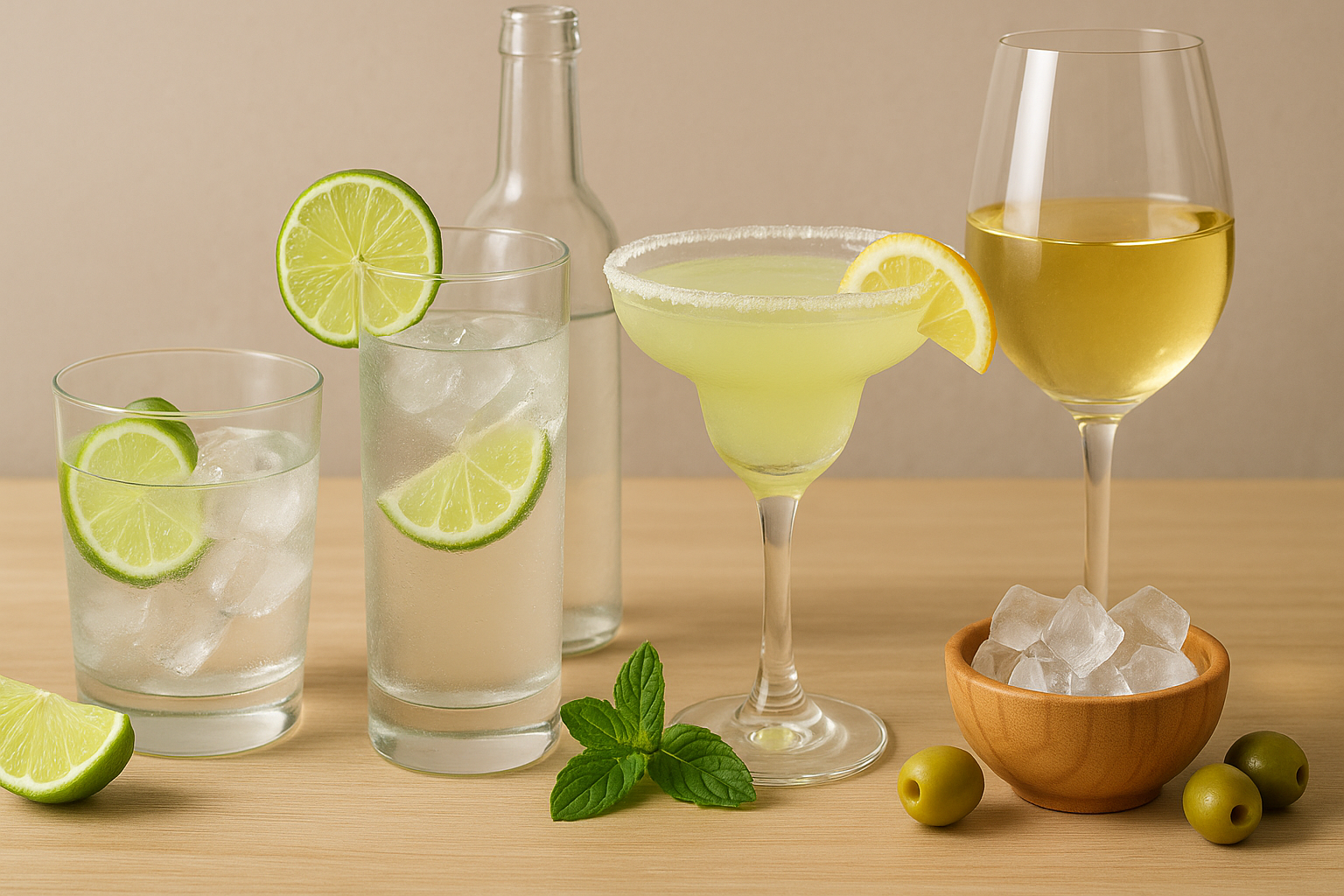
The lowest calorie alcoholic drinks are straight spirits such as vodka, tequila and gin at around 97 calories per 1.5 oz serving. Paired with zero calorie mixers like soda water, these become the lightest low calorie cocktails available. No alcohol is truly zero calorie since ethanol itself contains 7 calories per gram, but some options come very close.If you are working on weight loss, you probably already watch your meals, track your steps and stay hydrated. But what about your weekend drink? Alcohol is often an overlooked source of empty calories that can sneak past even the most disciplined nutrition plans.The good news is you do not have to give it up entirely. By choosing the lowest calorie alcoholic drinks and being mindful of how you drink, you can still enjoy social moments without undoing your progress.Why Calories from Alcohol MatterAlcohol contains around 7 calories per gram, which is more than carbs or protein at 4 calories per gram and just under fat at 9 calories per gram. That means even a couple of drinks can add up quickly.Many alcoholic beverages also include sugary mixers like juice, soda or syrup, which push the calorie count even higher. A sweet cocktail like a margarita or pina colada can contain 300 to 500 calories per glass.Beyond the calorie count itself, alcohol affects your body in ways that work against fat loss. Your liver treats alcohol as a priority toxin and pauses other jobs including fat burning while processing it. This means the food calories you consume alongside drinks are more likely to be stored rather than burned.What Alcohol Has the Least Calories?Not all alcoholic beverages are equal when it comes to calorie content. Pure distilled spirits without added sugars consistently have the lowest calorie counts per serving. Caloric content varies primarily based on alcohol by volume and added mixers.Here are approximate calorie values for common alcoholic beverages per standard serving:Alcohol TypeServing SizeCaloriesHard Seltzer12 oz (355 ml)90 to 110Champagne / Prosecco5 oz (150 ml)90 to 105Light Beer12 oz (355 ml)90 to 110Vodka1.5 oz (45 ml)~97Tequila1.5 oz (45 ml)~98Rum1.5 oz (45 ml)~97Whiskey / Bourbon / Scotch1.5 oz (45 ml)~105Dry White Wine5 oz (150 ml)120 to 130Regular Beer12 oz (355 ml)150 to 200+The 7 Best Low Calorie Alcoholic Drinks for Weight LossNot all drinks are created equal. Some are light and simple, others are packed with hidden sugars from mixers or syrups that can push a single glass past 400 calories. The 7 options below are the lowest calorie alcoholic drinks you can choose, each under 135 calories per serving when made correctly.1. Vodka Soda with LimeCalories: ~133 per 8 ozThe vodka soda is one of the most popular low calorie liquor drinks for good reason. Made with vodka and plain soda water, it avoids the sugary mixers that drive up calorie counts. A squeeze of fresh lime adds flavour without adding sugar or carbs.Tip: Always choose plain soda water and not tonic water. Tonic contains around 80 calories per 8 oz on its own. Add cucumber slices or fresh mint for extra flavour with zero extra calories.Homemade recipe: 1.5 oz vodka, club soda to fill, squeeze of fresh lime, ice cubes. Garnish with a lime wedge or fresh mint.Calories: ~100 per serving2. Tequila with Lime or SodaCalories: ~100 to 130 depending on mixTequila is one of the lowest calorie alcohol options available. A single shot of blanco tequila contains around 96 calories. You can sip it straight with a wedge of lime or mix it with soda water for a light cocktail.Tip: Avoid premade margarita mixes which are loaded with sugar. Instead mix tequila with fresh lime juice and a splash of grapefruit sparkling water for a lower calorie paloma-style drink.Homemade recipe: 1.5 oz tequila, 1 tbsp fresh lime juice, club soda to fill, ice. Optional salt rim. Garnish with a lime wedge.Calories: ~100 to 110 per serving3. Hard SeltzerCalories: ~90 to 110 per 12 oz canHard seltzer has become one of the most popular healthy alcoholic drinks for people watching their calorie intake. Brands like White Claw and Truly achieve their low calorie count by using a simple fermented cane sugar alcohol base with minimal added sweeteners. Most cans contain around 5% ABV and 2g of carbs or less.Tip: Check the label because flavoured hard seltzers vary. Stick to options with under 100 calories per can and avoid hard lemonade or hard juice varieties which are significantly higher.4. Light BeerCalories: ~90 to 110 per 12 ozLight beer is one of the original low calorie alcoholic beverages and still a solid option for those who prefer beer. Light beers cut calories by reducing both the alcohol content, typically 3.5 to 4.2% ABV, and the residual carbohydrates compared to regular beer.Popular options include Michelob Ultra at 95 calories, Miller Lite at 96 calories and Coors Light at 102 calories. The gap between a light lager and a craft double IPA at 300+ calories is enormous.Tip: If you enjoy beer regularly, switching from regular beer to light beer is one of the easiest swaps to reduce your weekly calorie intake without giving up anything.5. Dry White or Red WineCalories: 120 to 125 per 5 ozWhen it comes to low calorie alcoholic beverages, dry wines are your best option. Whether it is a crisp Sauvignon Blanc or a light Pinot Noir, dry wines contain fewer residual sugars than sweet wines or dessert wines. According to USDA nutritional data, a standard 5 oz pour of dry white wine contains approximately 120 to 130 calories.Tip: Stick to a 5 oz pour and avoid sweet varieties like Moscato or dessert wines. For sparkling options, choose Brut Champagne or Prosecco which clock in at 90 to 105 calories per 5 oz pour.6. Rum and Diet CokeCalories: ~135 per 7.5 ozAlso called a skinny Cuba Libre, this classic combination is one of the easiest alcohol drinks with least calories to make at home or order at a bar. A shot of white rum paired with diet cola keeps the calorie count low while still offering a familiar and satisfying flavour.Tip: Squeeze in fresh lime and skip flavoured rums which often contain added sugars that push calories up significantly.7. Gin and Slimline TonicCalories: ~100 per servingGin is one of the lowest calorie liquor drinks available, comparable to vodka and tequila at around 97 to 98 calories per 1.5 oz serving. The key is pairing it with slimline or diet tonic rather than regular tonic water, which contains around 80 additional calories per serving.Fresh cucumber slices and a sprig of mint make this one of the most refreshing low calorie cocktails without adding any meaningful calories.Homemade recipe: 1.5 oz gin, diet tonic water to fill, fresh cucumber slices or mint for garnish, ice.Calories: ~100 per servingDoes Zero Calorie Alcohol Exist?This is one of the most common questions people ask when looking for healthy alcoholic drinks. The short answer is no. There is no truly zero calorie alcohol because ethanol itself contains 7 calories per gram. Any drink that contains alcohol will have calories, even if the label suggests otherwise.What you can do is get very close. Straight spirits at 97 calories per serving, combined with zero calorie mixers like soda water or diet tonic, produce a drink that is as light as alcohol gets. This is why the vodka soda, tequila soda and gin slimline tonic are consistently the lowest calorie cocktails available.Tips to Keep Your Alcohol Low Calorie on a DietChoosing low calorie alcoholic drinks is only part of the picture. Follow these practical habits to make your drinking experience as calorie-light as possible:Use zero calorie mixers such as club soda, sparkling water, diet tonic or unsweetened iced tea instead of sugary sodas or fruit juices.Limit drink quantity by sticking to 1 to 2 drinks per occasion to avoid excessive calorie intake.Stay hydrated by drinking water alongside alcoholic beverages to reduce consumption speed and support your metabolism.Eat balanced meals with protein and healthy fats before or during drinking to maintain blood sugar levels.Avoid sugary cocktails with syrups, cream liqueurs or fruit juice which can add hundreds of calories per glass.Flavour naturally with fresh herbs like mint or basil, citrus wedges or fruit infusions to enhance taste without adding calories.How Alcohol Affects Weight LossEven the lowest calorie alcohol options do not offer nutrients or satiety, so every drink should be treated as a bonus rather than a food replacement. Regular drinking, even of lighter options, can affect your weight loss progress in several ways.Fat metabolism: Your body prioritises processing alcohol over burning fat, which temporarily halts fat burning while you drink.Increased appetite: Alcohol stimulates hunger and cravings, often leading to eating more than planned after drinking.Reduced inhibitions: Drinking decreases self-control and frequently leads to poor food choices and overeating.Sleep disruption: Alcohol impairs sleep quality, which is essential for recovery, energy balance and fat loss.Hormonal changes: Alcohol can affect metabolism-related hormones including insulin and cortisol.Being aware of these effects reinforces why limiting intake and making smart drink choices matters more than any single low calorie cocktail swap.Staying consistent with a healthy meal delivery in Dubai service makes it much easier to allow for the occasional drink without derailing your overall nutrition plan.Frequently Asked QuestionsWhat is the lowest calorie alcohol?Straight spirits including vodka, tequila, gin and rum are the lowest calorie alcohol options at approximately 97 calories per 1.5 oz serving. Hard seltzers and light beers are comparable at 90 to 110 calories per can. The lowest calorie alcoholic drinks are always those with no added sugars or mixers.What alcohol has the least calories overall?Hard seltzer and Champagne Brut are among the lightest options per serving at 90 to 105 calories. Straight spirits are also in this range and give you more flexibility to create low calorie cocktails by adding soda water and citrus.How many calories are in a tequila soda?A tequila soda made with 1.5 oz of blanco tequila and soda water contains approximately 97 to 100 calories. This makes it one of the lightest low calorie cocktails you can order. Adding a splash of lime juice adds fewer than 5 calories.What is the difference in calories between tequila and vodka?Very little. Tequila at 80 proof contains approximately 97 to 98 calories per 1.5 oz serving and vodka at 80 proof contains approximately 96 to 97 calories per 1.5 oz serving. Both are among the lowest calorie alcohol choices and are interchangeable for calorie purposes.What is the lowest calorie tequila?Blanco or silver tequila is the lowest calorie tequila option. It has no added sugars or ageing in barrels that could introduce additional flavouring agents. A 1.5 oz shot of blanco tequila contains approximately 96 calories, making it one of the best alcohol drink with least calories.Are there any truly no calorie alcohol options?No. No calorie alcohol does not exist because ethanol itself contains 7 calories per gram. However, spirits paired with zero calorie mixers like soda water produce drinks that are as close to no calorie alcohol as possible, typically under 100 to 110 calories per serving....

Low Fiber Diet Foods for Digestive Comfort

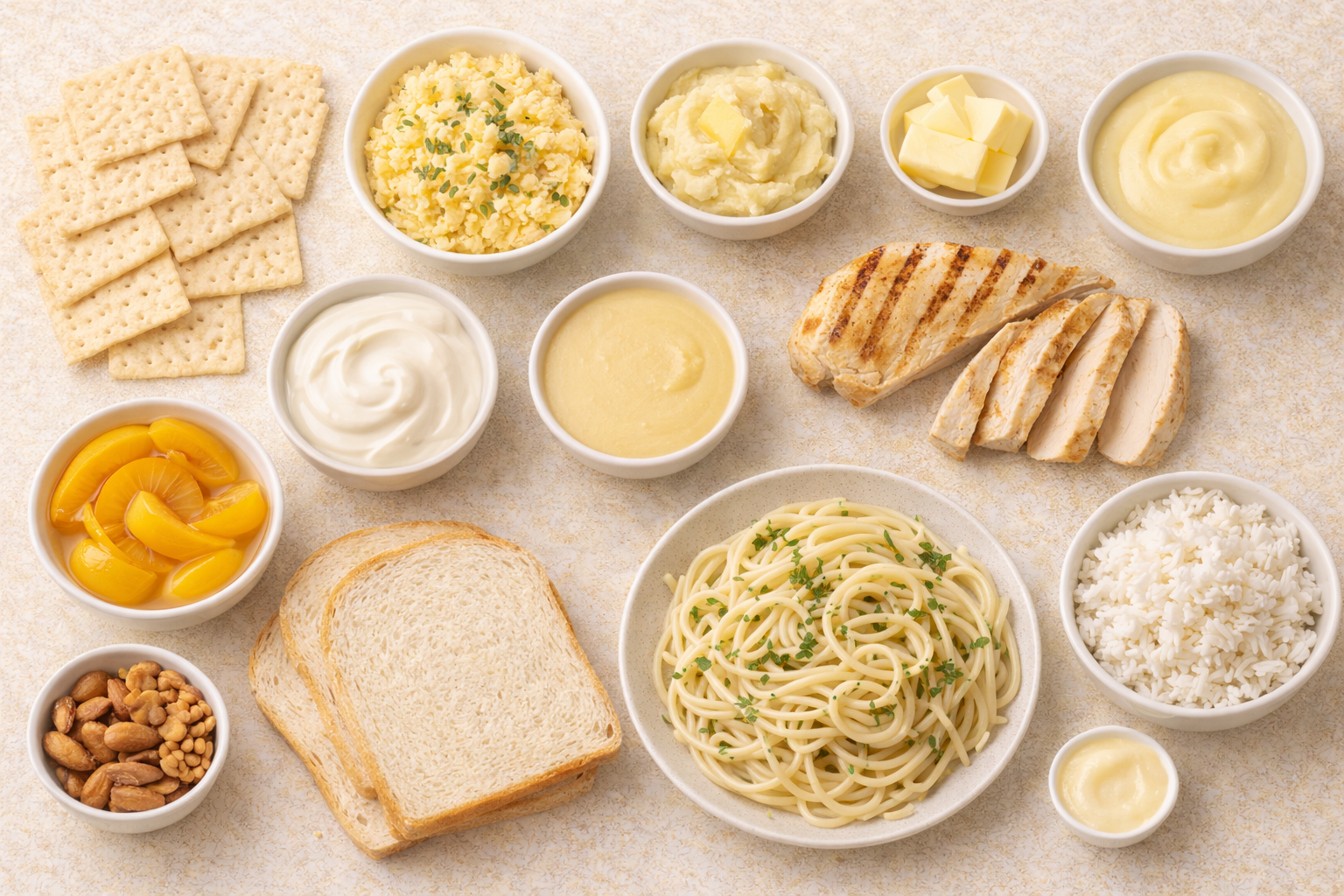
A low-fiber diet is a temporary eating plan designed to reduce the amount of dietary fiber consumed each day. While fiber is normally beneficial for digestion and overall health, there are certain situations where lowering fiber intake can help the digestive system recover and function more comfortably.Doctors sometimes recommend a low-fiber diet during digestive flare-ups, after gastrointestinal surgery, or before certain medical procedures such as colonoscopies. People dealing with conditions like Crohn’s disease, ulcerative colitis, diverticulitis, or severe irritable bowel syndrome may also benefit from reducing fiber for a short period while symptoms settle.This article explains what a low-fiber diet is, who it may help, and which foods are typically easier to digest. It also provides simple meal ideas and practical tips so readers can follow the diet safely while still maintaining balanced nutrition.What Is a Low Fiber Diet?Dietary fiber is a type of carbohydrate found mainly in plant-based foods such as fruits, vegetables, legumes, whole grains, nuts, and seeds. Unlike other carbohydrates, fiber is not completely digested by the body. Instead, it helps regulate digestion, supports gut bacteria, and promotes healthy bowel movements.However, when the digestive system becomes inflamed or irritated, large amounts of fiber can sometimes worsen symptoms. High-fiber foods can increase stool bulk and stimulate the intestines, which may lead to discomfort during periods of digestive sensitivity. In these situations, temporarily reducing fiber intake can give the digestive tract time to rest.Most low-fiber diets limit daily fiber intake to around 10-15 grams per day, although exact recommendations vary depending on medical advice and individual health needs. It’s important to remember that reducing fiber does not mean eliminating essential nutrients. Many low-fiber foods still provide protein, vitamins, minerals, and energy needed for recovery.Who May Benefit from a Low Fiber DietA low-fiber diet is often recommended as part of a treatment plan for certain digestive conditions. It is usually intended as a short-term strategy rather than a permanent way of eating. Healthcare providers may suggest it during periods when the digestive system needs additional support.People with Crohn’s disease or ulcerative colitis sometimes follow a low-fiber diet during flare-ups to reduce irritation and allow inflamed areas of the intestine to heal. Lowering fiber intake may help reduce symptoms such as abdominal pain, diarrhea, and bloating.Similarly, individuals recovering from intestinal surgery or dealing with diverticulitis may benefit from temporarily limiting fiber. Doctors may also recommend this diet before medical procedures like colonoscopies to ensure the digestive tract is clear. Because each condition is different, it’s always best to follow medical guidance when starting or adjusting a low-fiber eating plan.Best Low Fiber Foods to EatWhen following a low-fiber diet, the focus is on foods that are easy to digest and gentle on the gastrointestinal system. These foods tend to contain minimal fiber while still providing protein, carbohydrates, and essential nutrients.Refined grains are commonly included in a low-fiber diet. Foods such as white rice, refined pasta, and white bread contain significantly less fiber than whole-grain alternatives and are often easier for the digestive system to handle. These foods provide carbohydrates that help maintain energy levels without adding extra digestive stress.Protein-rich foods are also important. Eggs, lean poultry, and fish contain no fiber and offer high-quality protein that supports healing and muscle maintenance. Dairy products like plain yogurt can also be well tolerated, particularly because yogurt provides probiotics that may support gut health.Certain fruits and vegetables may still be included if they are prepared properly. Well-cooked vegetables without skins and soft fruits like ripe bananas are usually easier to digest. Cooking vegetables until soft and removing tough skins or seeds helps reduce fiber content and makes them gentler on the digestive tract.Foods to Limit or Avoid on a Low Fiber DietWhile many high-fiber foods are extremely nutritious, they can sometimes irritate the digestive system when symptoms are active. Temporarily avoiding these foods may help reduce inflammation and discomfort.Whole grains such as brown rice, whole wheat bread, oats, and bran cereals are high in fiber and typically limited during a low-fiber diet. Similarly, raw vegetables and salads can be difficult to digest because they contain insoluble fiber that stimulates intestinal activity.Other foods commonly restricted include nuts, seeds, beans, lentils, and popcorn. These foods contain dense fiber structures that may irritate sensitive digestive systems. Fruits with skins, such as apples, pears, and berries, can also increase fiber intake and may need to be avoided temporarily.It’s important to remember that these foods are generally very healthy and should not necessarily be eliminated permanently. In most cases, they can be reintroduced gradually once digestive symptoms improve.Sample Low Fiber Meal IdeasFollowing a low-fiber diet does not mean meals have to be bland or restrictive. Simple ingredients prepared in gentle ways can still create balanced and satisfying meals.A typical day might start with scrambled eggs and white toast for breakfast, which provides protein and easily digestible carbohydrates. For lunch, grilled chicken with white rice and cooked carrots offers a balanced combination of protein and energy without excess fiber.Snacks can be light and soothing, such as plain yogurt or a ripe banana, both of which are commonly tolerated during digestive recovery. Dinner might include baked fish served with mashed potatoes and soft-cooked vegetables, creating a meal that is both comforting and easy on the stomach.These meals focus on simplicity and digestibility while still providing the nutrients needed to support recovery and daily activity.Tips for Following a Low Fiber Diet SafelyAdapting to a low-fiber diet can feel unfamiliar at first, but a few practical strategies can make the process easier and more comfortable. Eating smaller, more frequent meals throughout the day may reduce strain on the digestive system compared to consuming large portions at once.Staying well hydrated is also important. Drinking enough water helps maintain digestion and prevents dehydration, especially if digestive symptoms include diarrhea. Choosing gentle cooking methods such as steaming, boiling, or baking can also make foods easier to digest compared to frying or heavy seasoning.Finally, it is important to reintroduce fiber gradually once symptoms improve. Slowly adding back fruits, vegetables, and whole grains allows the digestive system to adjust without triggering discomfort. This gradual transition helps restore the long-term benefits of a fiber-rich diet.ConclusionA low-fiber diet can be a helpful short-term strategy for people experiencing digestive inflammation, recovering from surgery, or preparing for medical procedures. By choosing easily digestible foods and temporarily limiting high-fiber ingredients, the digestive system can rest and recover more effectively.Although fiber restriction can provide relief during certain situations, it is generally not meant to be permanent. Once symptoms improve, gradually reintroducing fiber-rich foods helps restore balance and supports long-term digestive health. For anyone considering a low-fiber diet, consulting a healthcare professional can help ensure the plan remains both safe and nutritionally balanced....

Best Vegetarian and Vegan Protein Sources

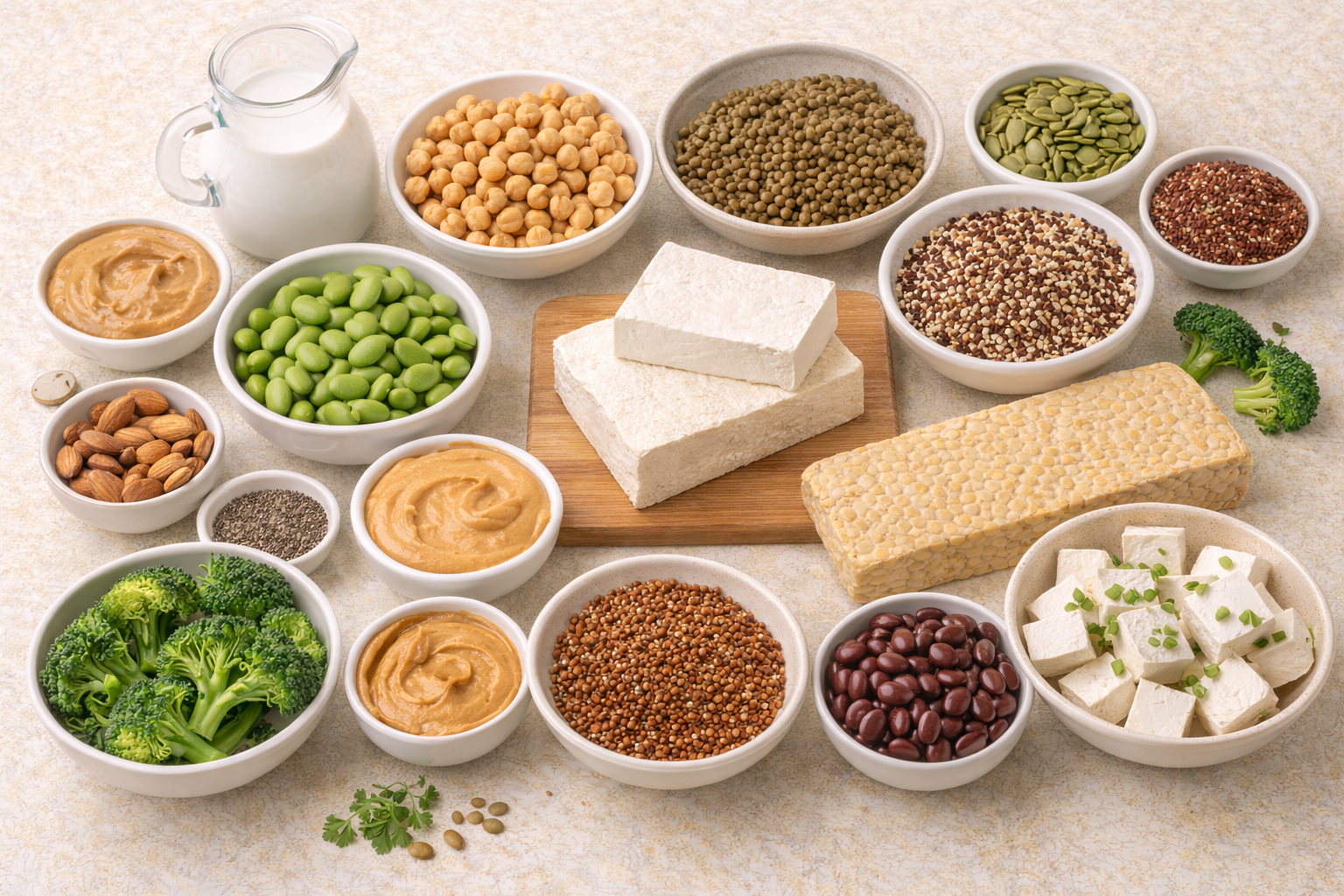
Many people assume it’s difficult to get enough protein without eating meat. In reality, there are plenty of vegetarian protein sources and vegan protein sources that provide the nutrients your body needs for energy, muscle repair, and overall health.Foods like lentils, tofu, quinoa, dairy products, nuts, and seeds are excellent plant based protein sources that can easily be incorporated into everyday meals. When chosen thoughtfully, these foods can help you meet your daily protein needs while supporting an active and balanced lifestyle.In this guide, we’ll explore some of the most nutritious high protein vegan foods and vegetarian options, along with practical meal ideas to help you include more protein-rich plant foods in your daily diet.Why Protein Matters in a Plant-Based DietProtein is responsible for many essential functions in the body. It helps repair tissues, supports muscle growth, strengthens the immune system, and contributes to healthy hair, skin, and nails. For individuals who exercise regularly or aim to build muscle, protein intake becomes even more important because muscles rely on amino acids for recovery after training.Plant-based diets can absolutely meet protein requirements when meals are properly balanced. While some plant proteins contain slightly different amino acid profiles compared to animal proteins, consuming a variety of foods throughout the day helps ensure the body receives all essential amino acids.Learning how to calculate macros can also help individuals determine how much protein they need based on body weight, lifestyle, and activity levels. This approach allows people following plant-based diets to maintain balanced nutrition while supporting fitness or wellness goals.Another helpful strategy is including a variety of high protein meal recipes that incorporate legumes, soy products, whole grains, and seeds. These combinations provide complete nutrition while keeping meals satisfying and flavorful.The Best Vegetarian Protein SourcesVegetarian diets typically include dairy and eggs, which are naturally high in protein and provide essential amino acids needed for muscle maintenance and recovery.Greek YogurtGreek yogurt is one of the most popular vegetarian protein sources because it contains significantly more protein than regular yogurt. A single serving can provide around 15–20 grams of protein, making it an excellent option for breakfast or a midday snack.In addition to protein, Greek yogurt also contains probiotics that support digestive health and calcium that helps maintain strong bones.EggsEggs are considered one of the most complete protein foods available. They contain all nine essential amino acids required by the body and are rich in nutrients like vitamin B12, choline, and vitamin D.They are also incredibly versatile. Eggs can be included in breakfast scrambles, salads, wraps, or high-protein bowls, making them a convenient choice for anyone following a vegetarian diet.Cottage CheeseCottage cheese is another excellent dairy-based protein source. It is relatively low in carbohydrates while being rich in casein protein, which digests slowly and provides a steady supply of amino acids to the body.Because of its mild flavor, cottage cheese can be eaten on its own, mixed with fruits and nuts, or added to savory meal bowls.Milk and Dairy ProductsMilk and other dairy products provide both protein and essential nutrients such as calcium and vitamin D. They can be consumed as beverages, used in smoothies, or incorporated into meals like oatmeal and soups.These foods make it easier for vegetarians to maintain balanced protein intake while supporting bone health and overall nutrition.The Best Vegan Protein SourcesFor individuals following a fully plant-based lifestyle, there are still many powerful vegan protein sources that can support muscle recovery, energy levels, and overall health.LentilsLentils are one of the most nutrient-dense plant based protein sources available. A single cup of cooked lentils contains around 18 grams of protein along with fiber, iron, and complex carbohydrates.They are commonly used in soups, curries, and salads, making them both nutritious and versatile.ChickpeasChickpeas are another excellent example of high protein vegan foods. They provide protein, fiber, and important minerals that support digestion and energy levels.Chickpeas can be roasted for crunchy snacks, blended into hummus, or added to salads and grain bowls.TofuTofu is made from soybeans and is one of the most popular vegan protein options. It contains all essential amino acids, making it a complete plant protein.Its mild flavor allows it to absorb seasonings and sauces easily, which makes it ideal for stir-fries, salads, and rice bowls.TempehTempeh is a fermented soy product that contains even more protein than tofu. It also provides probiotics that support gut health and digestion.Its firm texture makes it suitable for grilling, sautéing, or slicing into sandwiches and wraps.QuinoaQuinoa is unique among grains because it contains all nine essential amino acids. This makes it one of the most valuable plant based protein sources for individuals following vegan diets.In addition to protein, quinoa also provides fiber, magnesium, and antioxidants.Nuts and SeedsNuts and seeds such as almonds, pumpkin seeds, chia seeds, and hemp seeds are excellent sources of protein and healthy fats. They are also rich in micronutrients that support overall health.Although they are calorie-dense, moderate portions can significantly contribute to daily protein intake.How to Get Enough Protein on a Vegetarian or Vegan DietMeeting protein needs on a plant-based diet becomes much easier when meals include a variety of ingredients. Combining different plant foods helps ensure that the body receives all essential amino acids needed for muscle repair and growth.For example, pairing grains with legumes creates a balanced protein profile. Classic combinations such as rice and beans or hummus with whole grain bread provide complete nutrition.It is also helpful to include protein in every meal. Breakfasts might include yogurt or tofu scrambles, lunches could feature quinoa bowls or lentil salads, and dinners may include stir-fried tofu or chickpea curries.Individuals focused on fitness goals may benefit from following a structured muscle growth meal plan that includes balanced plant-based meals designed to support strength and recovery.Simple Meal Ideas Using Plant-Based ProteinIncorporating vegetarian and vegan protein into daily meals does not have to be complicated. With a few simple ingredients, it is possible to create balanced meals that provide energy and support muscle health.Breakfast: A smoothie made with plant-based protein powder, banana, almond milk, and chia seeds offers a quick and nutritious start to the day.Lunch: A quinoa salad with chickpeas, roasted vegetables, olive oil, and lemon dressing provides a satisfying and protein-rich midday meal.Dinner: Stir-fried tofu with mixed vegetables and brown rice creates a balanced dinner that delivers protein, complex carbohydrates, and healthy fats.Snack: Greek yogurt with nuts (for vegetarians) or roasted chickpeas for vegans provides a convenient and protein-rich snack between meals.ConclusionProtein plays a crucial role in supporting energy levels, muscle health, and overall body function. Fortunately, there are many excellent vegetarian protein sources and vegan protein sources that make it easy to meet daily nutritional needs without relying on meat.By incorporating a variety of plant based protein sources such as lentils, tofu, chickpeas, quinoa, nuts, and dairy products for vegetarians, it becomes possible to build balanced meals that support long-term health and fitness goals.Including diverse protein rich foods vegetarian options in everyday meals ensures that the body receives essential nutrients while maintaining energy and supporting muscle recovery. With thoughtful meal planning and variety, plant-based diets can provide everything needed for a healthy and active lifestyle....

Keto vs Low Carb Diet: Key Differences Explained

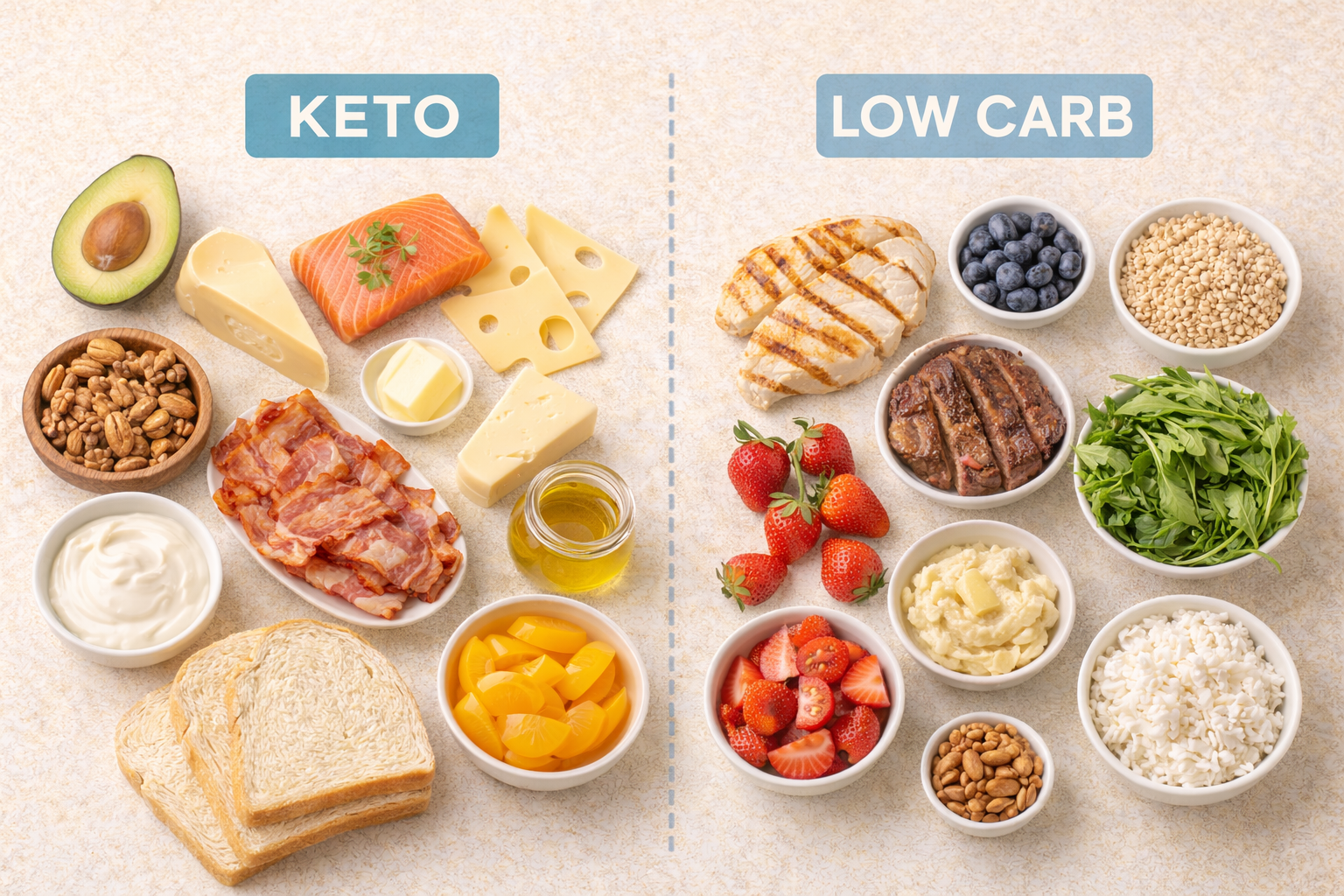
Low carbohydrate diets have become some of the most popular nutrition strategies for weight management and metabolic health. Among these approaches, keto and low carb diets are often mentioned together because both focus on reducing carbohydrate intake. However, despite the similarities, they are not the same and follow different nutritional principles.Many people start reducing carbs without fully understanding how these two diets differ. While both approaches can support fat loss and improved blood sugar control, they involve different levels of restriction, macronutrient balance, and long-term flexibility.In this article, we’ll break down the difference between keto and low carb diets, explain how each one works, and help you determine which approach might suit your lifestyle and goals.What Is a Low Carb Diet?A low carb diet focuses on reducing carbohydrate intake compared to a typical Western diet, but it does not eliminate carbohydrates completely. Instead of strict rules, the approach usually emphasizes cutting refined sugars and processed carbs while prioritizing whole foods.Most low carb diets allow between 50 and 150 grams of carbohydrates per day, depending on the specific plan and the individual’s goals. This range still allows room for foods like fruits, legumes, dairy, and whole grains while avoiding highly processed carbohydrates such as sugary drinks, pastries, and white bread.The focus of a low carb diet is typically on increasing protein intake and healthy fats while reducing refined carbohydrates. Meals often include foods like eggs, poultry, fish, vegetables, nuts, seeds, and moderate portions of complex carbohydrates. If you're looking for ideas on what types of carbohydrates can still fit into a balanced plan, exploring healthy carbohydrate options can help you make smarter food choices.One of the main advantages of this approach is flexibility. Because carbs are reduced rather than eliminated, many people find low carb diets easier to maintain long term compared to stricter eating styles.What Is the Keto Diet?The ketogenic diet, commonly called keto, is a much stricter version of carbohydrate restriction. It is designed specifically to shift the body into a metabolic state known as ketosis, where fat becomes the primary source of fuel instead of carbohydrates.To reach ketosis, carbohydrate intake is typically limited to around 20–50 grams per day. This forces the body to convert fat into molecules called ketones, which can then be used for energy by the brain and muscles.Because carbs are extremely limited, the keto diet requires a much higher intake of fat compared to a typical diet. A standard keto macronutrient breakdown often looks like this:70–75% of calories from fat20–25% from protein5–10% from carbohydratesFoods commonly eaten on keto include fatty fish, eggs, cheese, avocados, oils, nuts, seeds, and low-carb vegetables. Foods like bread, pasta, rice, and most fruits are usually restricted because they contain too many carbohydrates.People who want a structured approach often follow a ketogenic meal plan, which helps balance fats, proteins, and carbs properly to maintain ketosis.Key Differences Between Keto and Low Carb DietsAlthough keto and low carb diets both reduce carbohydrate intake, the way they approach nutrition is quite different.Carb IntakeThe most obvious difference is the amount of carbohydrates allowed. Low carb diets typically allow anywhere between 50 and 150 grams of carbs per day, while keto diets usually restrict carbs to around 20–50 grams per day.This stricter carb limit is what enables ketosis on the keto diet.Fat ConsumptionLow carb diets increase fat moderately, but the ketogenic diet relies heavily on fat as the main energy source. On keto, most calories come from fats such as olive oil, butter, nuts, seeds, and fatty meats.Protein IntakeProtein intake also differs slightly. Low carb diets often include moderate to high amounts of protein. Keto diets, however, keep protein intake moderate because excessive protein can sometimes interfere with ketosis.Ketosis RequirementA key distinction is that ketosis is not required on a low carb diet. Many people following a low carb approach never enter ketosis and still experience benefits such as weight loss and improved blood sugar control.On the other hand, ketosis is the central goal of the ketogenic diet.Flexibility and SustainabilityLow carb diets are generally considered more flexible and easier to maintain long term. Since they allow more carbohydrates, people can still enjoy foods like fruits, legumes, and whole grains in moderation.Keto diets tend to be stricter and require careful planning to stay within carb limits.Benefits of Each DietBoth low carb and ketogenic diets can offer health benefits when followed properly. However, the advantages may differ depending on the individual's goals and lifestyle.Benefits of a Low Carb DietA low carb diet is often easier for people to sustain over time because it allows more food variety. By reducing refined sugars and processed carbs, many people experience steady weight loss and improved energy levels.Low carb diets can also support better blood sugar control, making them a popular choice for individuals trying to manage insulin sensitivity or prevent metabolic issues.Another advantage is that low carb diets can still incorporate a wide range of foods, making meal planning simpler and more adaptable to different cuisines.Benefits of the Keto DietThe ketogenic diet may promote faster fat burning for some individuals because the body relies heavily on stored fat for energy. This metabolic shift can help reduce appetite and make calorie control easier.Some research also suggests that keto may help improve blood sugar levels and insulin sensitivity in certain individuals.However, because keto is stricter and requires careful macronutrient tracking, many people need to learn how to calculate macros to maintain the correct balance of fats, proteins, and carbohydrates.Which Diet Is Right for You?Choosing between keto and low carb depends largely on your goals, lifestyle, and personal preferences.For people who want a more flexible eating style that still supports weight management and improved metabolic health, a low carb diet can be a practical option. It allows more dietary variety and tends to be easier to maintain over the long term.On the other hand, individuals who want to experiment with ketosis or pursue faster fat loss may find the ketogenic diet appealing. Keto can work well for people who enjoy high-fat foods and are comfortable following a more structured nutrition plan.Activity levels can also influence the decision. Athletes or highly active individuals sometimes prefer moderate carb intake to support intense workouts, while others adapt well to keto depending on their training style.Ultimately, the best diet is one that supports your health goals while remaining sustainable for your daily routine. Consulting a nutrition professional can help determine the most appropriate approach for your needs.ConclusionBoth keto and low carb diets reduce carbohydrate intake, but they differ significantly in how strict they are and how the body uses energy. A low carb diet focuses on reducing refined carbs while maintaining flexibility, whereas the ketogenic diet drastically limits carbohydrates to trigger ketosis.Each approach can support weight management and metabolic health when done correctly. The most important factor is choosing a diet that fits your lifestyle and allows you to maintain healthy habits over time.Regardless of which method you follow, focusing on whole foods, quality protein sources, healthy fats, and balanced nutrition will always provide the best foundation for long-term health....

Best Low Carb Cheeses to Add to Your Meals

If you're following a low‑carb or keto‑style eating pattern, cheese often earns a spot on the menu - and for good reason. Cheese is naturally low in carbohydrates and high in fat and protein, making it an easy way to add flavor and satisfaction without adding sugar or starch. But before you grab any block off the shelf, it helps to know that not all cheeses are created equal.In this article, we’ll answer does cheese have carbs, explain why cheese works well in low‑carb eating, and highlight the best low‑carb cheese varieties along with friendly serving ideas you can enjoy at home.Why Cheese Works Well in a Low‑Carb DietCheese is a favorite ingredient for many low‑carb eaters because it ticks several key boxes:Low in carbohydrates: Most cheeses contain very few carbs, especially when compared to breads, crackers, or processed snack foods.Good source of protein and fat: These macronutrients help you feel full, stabilize blood sugar, and satisfy hunger between meals.Versatile: Cheese works as a snack, a topping, an ingredient in casseroles, and even as a crust or sauce base in creative recipes.Flavorful: From mild to sharp, creamy to crumbly, cheese adds depth to savory dishes without needing refined carbs.That said, some processed or flavored cheeses can contain additives or small amounts of sugar, so choosing quality varieties - especially freshly grated or block cheeses - matters more than you might think.10 Best Low‑Carb Cheese VarietiesBelow are ten cheese options that are both delicious and low in net carbs, along with suggested uses for each:1. CheddarFlavor profile: Rich, sharp, and tangyNet carbs (approx.): ~0.1–1g per 30g (1 oz)How to use: Grate over eggs, melt in wraps, slice with veggie sticksCheddar’s bold taste makes it a low‑carb staple in omelets, casseroles, and snack plates.2. Mozzarella (Whole Milk)Flavor profile: Mild, milky, stretchyNet carbs (approx.): ~0.6g per 30g (1 oz)How to use: Pizza topping, caprese salad, stuffed in chickenWhole milk mozzarella is a satisfying addition to both warm dishes and fresh salads.3. Cream CheeseFlavor profile: Smooth, rich, slightly tangyNet carbs (approx.): ~1–2g per 30g (1 oz)How to use: Spread on low‑carb crackers, mix into dips, swirl into smoothiesCream cheese is especially useful in low‑carb baking and sauces.4. BrieFlavor profile: Soft, buttery, mildNet carbs (approx.): ~0.1–0.5g per 30g (1 oz)How to use: Pair with nuts and berries, bake with herbs, enjoy as cheese board starterBrie’s creamy texture pairs well with roasted veggies or a drizzle of olive oil.5. Goat CheeseFlavor profile: Tangy, earthyNet carbs (approx.): ~0.6–1g per 30g (1 oz)How to use: Crumble over salads, mix into sauces, spread on veggiesGoat cheese adds vibrant flavor and creaminess, especially in autumn or Mediterranean‑style plates.6. SwissFlavor profile: Mild, nuttyNet carbs (approx.): ~1–1.5g per 30g (1 oz)How to use: Melt in sandwiches, pair with ham, add to gratinsSwiss cheese’s meltability makes it a great choice for hot lunches or dinner toppings.7. ParmesanFlavor profile: Sharp, salty, umamiNet carbs (approx.): ~0.9g per 30g (1 oz)How to use: Grate over salads, zucchini noodles, soups, or roasted veggiesA little Parmesan goes a long way thanks to its intense flavor.8. Blue CheeseFlavor profile: Bold, tangyNet carbs (approx.): ~0.7g per 30g (1 oz)How to use: Crumble on steak, mix into dressings, pair with pearsBlue cheese’s richness makes even small amounts very satisfying.9. GoudaFlavor profile: Creamy, caramel‑like (especially aged)Net carbs (approx.): ~1g per 30g (1 oz)How to use: Melt on low‑carb burgers, add to breakfast bakesGouda’s buttery quality enhances both hot and cold dishes.10. FetaFlavor profile: Briny, tangyNet carbs (approx.): ~1–1.5g per 30g (1 oz)How to use: Crumble on filling salad recipes, pair with olives, add to Mediterranean bowlsFeta brings a bright, salty pop to light lunches and grilled vegetable plates.Tips for Including Cheese in a Low‑Carb LifestyleCheese can fit beautifully into a low‑carb or keto meal structure, but keeping a few pointers in While cheese is generally low in carbs, it’s also calorie-dense, so portion control is important if you're aiming for weight loss or maintenance. Here are a few tips to help you enjoy cheese as part of your low-carb lifestyle:Use cheese to boost flavor: Add a small amount to dishes where it adds the most value, such as topping scrambled eggs or salads.Pair with vegetables or proteins: Cheese combines well with low-carb foods like cucumbers, grilled chicken, or steamed broccoli.Avoid processed cheese slices: These often contain added starches or fillers. Go for natural, block, or wedge cheeses.Opt for full-fat, unflavored options: These are typically lower in carbs and more satisfying than low-fat or flavored varieties.Low‑Carb Meal Ideas with CheeseNeed ideas to bring your cheese cravings into your daily meal plan? Here are some simple meals that highlight low-carb cheeses:1. Egg Muffins with Cheddar and SpinachWhisk eggs with shredded cheddar, chopped spinach, and seasonings. Pour into muffin tins and bake - perfect for breakfast or snacks.2. Zucchini Boats with Feta and TomatoesSlice zucchini in half, scoop out the center, and fill with cherry tomatoes and feta. Bake until tender and top with herbs.3. Grilled Chicken with Mozzarella and PestoTop grilled chicken with a slice of mozzarella and a spoonful of pesto. Broil until cheese is bubbly. Serve with a side of sautéed green beans.ConclusionThe answer to does cheese have carbs? is that most cheeses are very low in carbohydrates - often less than 2g per serving - making them ideal for low‑carb, keto, or sugar‑conscious eating.From sharp cheddar to creamy Brie and salty feta, the what cheese is low in carbs choices above prove you don’t have to sacrifice flavor to stay on track with your goals. Just remember to choose quality varieties, enjoy them in sensible portions, and pair them with nutrient‑rich foods.Whether you’re building satisfying breakfasts, hearty dinners, or tasty snacks, cheese can be a delicious part of your low‑carb journey. Many of these smart cheese choices also show up in balanced meal designs like those included in Lifter Life meal plans, which combine flavor and nutrition thoughtfully....

Guilt-Free Healthy Burger Recipes to Try Today

Burgers-they’re the comfort food we crave, the weekend grill staple, and the indulgent meal many feel they shouldn’t enjoy when eating healthy. But what if you could transform this classic favorite into a balanced, nourishing dish that fits your lifestyle goals?With smart swaps and nutrient-focused ingredients, healthy burgers can be just as satisfying as their fast-food counterparts-without the guilt. In this guide, we’ll walk you through the best healthy burger recipes, including high-protein, low-carb, plant-based, and keto-friendly ideas. What Makes a Burger Healthy?Not all burgers are created equal. The nutritional profile of a burger depends entirely on how it's built-from the patty and bun to the sauces and toppings.A healthy hamburger is typically:High in lean protein (which supports satiety and muscle repair)Lower in saturated fats and processed ingredientsRich in fiber from vegetables or whole grainsPacked with nutrients from fresh, whole foodsHere’s how you can elevate your burger:Protein swaps: Choose lean beef (90%+), ground chicken, turkey, salmon, or plant-based protein blends with legumes and whole grains.Bun alternatives: Try whole grain, sprouted buns, lettuce wraps, or even grilled vegetables like eggplant or mushrooms.Clean toppings: Use avocado, grilled onions, arugula, tomato, or hummus instead of processed cheese or sugary sauces.Healthy condiments: Greek yogurt mixed with herbs, smashed avocado, mustard, or tahini-based sauces are all tasty and nutrient-rich.These upgrades mean you don’t have to sacrifice flavor to stay on track-especially when you explore options like the Lean Ground Beef Burger at Lifter Life’s healthy restaurant.6 Healthy Burger Recipes to TryWhether you’re cooking at home or browsing a clean eating menu, here are delicious and wholesome burgers to fuel your day.1. Grilled Chicken Avocado BurgerMain Ingredients: Ground chicken breast, garlic, mashed avocado, lemon juice, olive oil, pepperWhy it works: High in protein, low in carbs, rich in heart-healthy monounsaturated fatsServe with: Whole grain bun or lettuce wrap + side of sweet potato wedgesPro tip: Use mashed avocado as a creamy topping instead of mayo.2. Turkey and Spinach BurgerMain Ingredients: Lean ground turkey, chopped spinach, onion, egg, garlic, black pepperWhy it works: Packed with iron, fiber, and proteinServe with: Wrapped in romaine lettuce or over a mixed green saladPerfect for meal prep and great for post-workout refueling.3. Black Bean and Quinoa Veggie BurgerMain Ingredients: Black beans, cooked quinoa, oats, cumin, paprika, olive oilWhy it works: Loaded with plant protein, fiber, and antioxidantsServe with: Sprouted grain bun, fresh salsa, avocado slicesAn excellent choice for anyone craving a healthy vegan burger with staying power.4. Salmon Burger with Dill Yogurt SauceMain Ingredients: Fresh or canned salmon, egg, almond flour, garlic, lemon zest, dillWhy it works: A source of omega-3 fats and lean proteinServe with: Cucumber ribbons or lettuce cups + homemade dill yogurt sauceThis burger fits beautifully into an anti-inflammatory or Mediterranean-inspired diet.5. Lean Beef Burger with Grilled VeggiesMain Ingredients: 90% lean ground beef, onion, garlic, herbsWhy it works: Classic flavor with less fat and no fillersServe with: Grilled zucchini, roasted peppers, eggplant instead of friesCheck out this healthy protein-packed meal for more dinner inspiration.6. Portobello Mushroom “Bun” BurgerMain Ingredients: Your choice of patty + two grilled portobello mushroom capsWhy it works: Low-carb and gluten-free while adding fiber and antioxidantsServe with: Avocado slices, tomato, and Dijon mustardIdeal for keto or low-carb lifestyles.Tips for Making Any Burger HealthierYou don’t have to follow a specific recipe to build a healthier burger. Here are easy ways to upgrade your favorite version:Choose Lean Proteins: Use ground turkey, chicken, or beef that’s at least 90% lean. Salmon, tuna, or lentil-based patties are also great options for variety.Boost the Nutrients: Mix chopped spinach, onions, or bell peppers into the patty. Add ground flaxseed or chia seeds for fiber and omega-3s.Rethink the Bun: Whole grain buns, lettuce wraps, or low-carb tortillas offer better blood sugar balance. You can even go bun-free with a burger bowl.Upgrade Your Sauce: Avoid sugary barbecue sauces or heavy mayo. Use Greek yogurt mixed with lemon and herbs, hummus, or a homemade avocado spread.Cook Smarter: Grill, bake, or air-fry your patties rather than pan-frying in excess oil. These methods cut back on unhealthy fats while preserving taste.Sides and Toppings That Keep It HealthyBurgers are just one part of the plate. Choose complementary sides and toppings to create a well-rounded, macro-friendly meal.Healthy Sides:Roasted sweet potatoes or turnip friesCauliflower mash or zucchini chipsA fresh salad with olive oil vinaigretteClean Toppings:Arugula, spinach, or microgreensTomato, onion, and cucumberFermented veggies (like sauerkraut or kimchi) for gut healthAvocado slices or guacamoleAvoid processed cheese, heavy mayo, and sugary ketchup. Instead, try a yogurt-based ranch or tahini dressing.Make Burgers a Regular Part of Your Clean Eating PlanAt Lifter Life, we believe you shouldn’t have to give up your favorite foods to reach your fitness or weight goals. Our chefs craft delicious healthy burgers that check all the boxes-flavor, balance, and nutrition. The Lean Ground Beef Burger is a top choice from our Jumeirah menu, created with clean ingredients and macro-friendly portions.You can also explore our full range of healthy meal plans in Dubai-whether you're focused on weight loss, muscle gain, or just clean eating that tastes good.ConclusionBurgers don’t have to be cheat meals. With the right ingredients and preparation, you can enjoy satisfying, healthy burger recipes that fuel your body and your goals.Whether it’s a healthy chicken burger recipe, a veggie-packed plant-based patty, or a low-carb beef burger, there’s a version that suits every diet and craving. Get creative, mix and match ingredients, and don’t be afraid to reinvent this comfort food staple.Want help building burgers (and meals) that work for your goals? Lifter Life offers clean, balanced meal plans delivered across Dubai-so you never have to choose between delicious and healthy....

bodybuilder diet
Bodybuilder Diet: Foods to Build Muscle Mass

If your goal is to build strength, size, and lean muscle, it’s important to recognize that training alone won’t get you there. While lifting heavy weights and progressive overload are essential components of muscle growth, what you eat plays an equally crucial role. A well‑designed bodybuilder diet fuels workouts, supports recovery, and provides the building blocks your body needs to grow stronger. In this article, we’ll walk through the most effective body building foods, explain how to optimize your nutrition for muscle gain, and share a practical one‑day meal plan that anyone can follow.What Makes a Diet Effective for Muscle Gain?To build muscle, you need more than just protein - you need a comprehensive approach to nutrition that supports the demands of intense training. At its core, an effective diet for muscle gain requires a calorie surplus, meaning you consume more calories than your body burns each day. This extra energy allows your body to build and maintain new tissue.But it’s not just about calories. The ratio of macronutrients - protein, carbohydrates, and fats - influences how efficiently you build muscle:Protein provides the amino acids needed for muscle repair and growth. Without enough protein, your body can’t rebuild the muscle fibers broken down during training.Carbohydrates are the primary fuel source for strength training and high‑intensity workouts. They replenish glycogen stores in your muscles and help maintain energy levels.Healthy fats support hormone production - including testosterone and other hormones that play a role in muscle growth - and help keep you full between meals.Meal timing can also matter, particularly around your workouts. A protein‑rich meal before and after training can enhance muscle protein synthesis and support recovery.Best High‑Protein Foods for Muscle GrowthProtein is the cornerstone of any diet designed to increase muscle mass. Here are some of the most effective food for muscle mass gain sources, along with approximate protein content per serving:Chicken BreastChicken breast is a lean and versatile protein source, with approximately 31 grams of protein per 100g cooked. It’s low in fat and easy to prepare in a variety of ways, making it ideal for muscle‑building meal prep.Eggs and Egg WhitesWhole eggs provide around 6–7 grams of high‑quality protein each. Egg whites offer nearly pure protein with minimal calories. Together, they are a muscle‑building staple that also delivers essential vitamins and minerals.Lean BeefLean cuts of beef, such as sirloin or tenderloin, offer approximately 25–26 grams of protein per 100g cooked, along with iron, zinc, and creatine - nutrients that support strength and recovery.SalmonSalmon provides about 22–25 grams of protein per 100g cooked and is rich in omega‑3 fatty acids, which have anti‑inflammatory properties that can help with recovery after intense training sessions.Greek YogurtA cup of plain Greek yogurt delivers around 20 grams of protein. It’s also rich in calcium and probiotics, which support bone health and digestion.Cottage CheeseCottage cheese contains around 14 grams of protein per half‑cup and provides casein, a slow‑digesting protein that can help sustain amino acid levels overnight.Tofu and TempehPlant‑based options like tofu and tempeh provide 15–20 grams of protein per serving and are excellent choices for vegetarian or vegan muscle‑building plans.Whey Protein PowderWhey protein is a quick, convenient source of high‑quality protein and is typically absorbed faster than whole food sources. It’s especially useful for post‑workout nutrition when your muscles need amino acids the most.Muscle‑Fueling CarbohydratesWhile protein gets most of the attention in muscle‑building diets, carbohydrates are equally important because they provide the energy needed for intense workouts and help replenish depleted glycogen stores. Quality sources of carbs can help you perform better and recover faster.Brown RiceBrown rice is a slow‑digesting carbohydrate that supplies sustained energy. It’s a favorite among bodybuilders for pairing with lean proteins and vegetables.Sweet PotatoesRich in fiber, vitamins, and minerals, sweet potatoes offer a nutrient‑dense option for muscle‑fueling carbs, with complex carbohydrates that keep you energized.OatsOats are high in soluble fiber and provide steady energy, making them ideal for breakfast or pre‑workout meals.QuinoaQuinoa is a complete protein and carbohydrate source, making it especially useful for those wanting plant‑forward options.Whole Grain BreadWhole grain bread provides complex carbohydrates along with fiber, which can be paired with lean proteins for sandwiches or toast.LegumesBeans, lentils, and chickpeas are rich in both fiber and carbs, and they also contribute plant protein to your diet.BananasBananas are a convenient post‑workout carb source that deliver quick energy and help replenish glycogen with the added benefit of potassium.Healthy Fats for Recovery and Hormone HealthAlthough fats do not directly build muscle, they are essential for overall health, particularly for hormone production and recovery. Incorporating nutrient‑dense fats into your diet ensures you feel satiated while supporting cellular health and metabolic function.AvocadosAvocados are rich in monounsaturated fats, which support heart health and hormone function. They also provide fiber and micronutrients.Olive OilA staple of Mediterranean‑style eating, olive oil offers healthy fats that can be drizzled on salads, roasted vegetables, or used for cooking protein.Nuts and SeedsAlmonds, walnuts, chia seeds, and flaxseeds provide a mix of healthy fats, protein, and fiber - perfect for snacks or toppings.Fatty FishOmega‑3‑rich fish like salmon and mackerel support inflammation control and recovery.Nut ButtersPeanut butter, almond butter, and other nut butters are calorie‑dense sources of fat and protein - ideal for adding extra calories in a muscle‑gaining phase.Example Muscle‑Building Meal Plan (1 Day)Here’s a practical example of how to structure your meals for muscle gain, tailored for a busy lifestyle like you might find in Dubai or other metropolitan regions. This muscle gain meal plan includes calories, protein, carbs, and healthy fats to support a muscle‑building phase.Breakfast:Start the day with protein and sustained energy. Try oatmeal cooked with skim milk, topped with Greek yogurt, chia seeds, and fresh berries - rich in carbs for energy and protein for muscle repair.Mid‑Morning Snack:A whey protein shake blended with banana and almond butter provides fast‑acting nutrients ready for muscle recovery.Lunch:Grilled chicken breast with brown rice, steamed broccoli, and a drizzle of olive oil gives you a balanced plate of lean protein, complex carbs, and healthy fats.Pre‑Workout Snack:A small serving of cottage cheese with sliced banana supplies both protein and quick carbs to fuel your session.Post‑Workout:A protein shake with whey and a piece of fruit ensures rapid recovery and can help jump‑start glycogen replenishment.Dinner:Salmon fillet with quinoa and roasted sweet potatoes delivers a nutrient‑rich, muscle‑supporting meal to finish the day.Hydration is also vital - aim for 3–4 liters of water daily, especially in hot climates or during intense training periods.Tips for Sticking to a Bodybuilder DietConsistency is what turns diet plans into results. Here are practical tips to help you stay on track:Meal Prep 2–3 Times a Week:Preparing meals in bulk saves time and ensures you always have healthy options available. Cook proteins, carbs, and fats in batches to mix and match throughout the week.Track Your Macros: Logging your food intake helps ensure you stay in a calorie surplus and hit your macro targets. Tools like nutrition apps or simple handwritten logs can help you stay accountable.Hydrate Properly:Muscle tissue is mostly water. Staying well hydrated supports performance, recovery, and overall health.Use Meal Plan Services:For busy professionals, navigating meal prep and nutrition planning can be difficult. Services like those from Lifter Life offer custom plans that accommodate your goals, schedule, and taste preferences so you don’t have to guess what to eat.ConclusionMuscle gain isn’t just about how hard you train - it’s also about how well you fuel your body. A balanced bodybuilder diet that includes protein‑rich foods, complex carbohydrates, and healthy fats forms the foundation for effective muscle building.From lean chicken and high‑quality dairy to nutrient‑dense carbs like quinoa and sweet potatoes, choosing the right food for muscle mass gain gives your body the tools it needs to recover, grow, and perform. By combining consistent training with intelligent eating habits, you set yourself up for sustainable progress.If you’re looking for structure, convenience, and well‑designed meals that support muscle growth and overall wellness, explore customized options from Lifter Life, where balanced, purposeful meal planning takes the guesswork out of nutrition....

Carb Cycling Meal Plan to Fuel Your Fitness

If you're trying to lose fat while maintaining muscle, or want better energy for your workouts, a carb cycling meal plan may be the strategy that helps you break through plateaus.This guide covers what carb cycling is, how to follow it effectively, and how to build meals that support your goals-whether that’s fat loss, muscle growth, or better performance.What Is Carb Cycling?Carb cycling is a structured way of eating where you alternate between high-carb and low-carb days. It’s designed to fuel your workouts and promote recovery on intense training days while encouraging fat burn on rest or light activity days.This method is especially popular among bodybuilders, athletes, and people aiming for a leaner, stronger physique-without completely cutting carbs like a strict keto diet would require.You don’t need to track obsessively, but having a well-balanced carb cycling nutrition plan can help keep your metabolism active while supporting muscle maintenance.Benefits of Carb Cycling for Fitness GoalsCarb cycling offers several science-backed benefits:Supports fat loss without muscle lossImproves gym performance by refueling glycogen storesEnhances insulin sensitivity, especially after low-carb daysPrevents metabolic slowdown often caused by long-term dietingThis method works best when paired with structured workouts and a personalized weight loss meal plan to meet your calorie and macronutrient needs.How to Structure a Carb Cycling WeekA typical carb cycling food plan may look like:3 Low-Carb Days – ideal for rest or light activity days2 High-Carb Days – on heavy training or leg days2 Moderate-Carb Days – to balance things out or use as flexible mealsYou can tailor this to your training schedule, but the general idea is to align carb intake with energy demand.To make it easier, use tools like this guide on how to calculate macros so your plan stays goal-focused and sustainable.Sample Carb Cycling Meal Plan (1 Week)Here’s a sample breakdown of what to eat during a carbohydrate cycling meal plan:Monday (Low-Carb Day)Breakfast: Scrambled eggs with spinachLunch: Grilled chicken breast with avocado saladSnack: Cottage cheese with cucumberDinner: Baked salmon with steamed zucchiniTuesday (High-Carb Day)Breakfast: Oats with banana, almond butterLunch: Sweet potato, grilled chicken, and green beansSnack: Greek yogurt and berriesDinner: Brown rice stir-fry with tofu and vegetablesWednesday (Low-Carb Day)Breakfast: Omelet with mushrooms and cheeseLunch: Tuna salad with olive oilSnack: Boiled eggs with almondsDinner: Grilled beef and cauliflower riceThursday (Moderate-Carb Day)Breakfast: Protein smoothie with berriesLunch: Quinoa with turkey and roasted vegetablesSnack: Apple slices with peanut butterDinner: Salmon with a small baked potato and asparagusFor more high-protein dinner ideas, check out our curated high protein meal recipe blog.Foods to Focus On During Carb CyclingOn Low-Carb Days:Proteins: Chicken, fish, eggs, tofuFats: Avocado, olive oil, nuts, seedsVeggies: Leafy greens, broccoli, zucchini, mushroomsOn High-Carb Days:Carbs: Oats, quinoa, sweet potatoes, fruitProteins: Lean meats, Greek yogurtVeggies: Carrots, peas, bell peppersNo matter the day, keep protein consistent to preserve lean body mass.Is Carb Cycling Right for You?You may benefit from carb cycling if you:Exercise regularly and want to optimize body compositionHave hit a plateau with traditional dietingWant to maintain performance while still losing body fatHowever, it may not be ideal if you:Have a history of disordered eatingStruggle with extreme hunger or blood sugar crashesPrefer simpler plans like the 1 week no carb dietConclusionCarb cycling offers the best of both worlds: energy for your workouts and fat-burning benefits on rest days. By adjusting your carb intake strategically, you can improve performance, stay lean, and avoid the burnout that often comes from long-term low-carb dieting.Want to make this easier? Let Lifter Life’s custom meal plans take the guesswork out of carb cycling with balanced, delicious meals tailored to your goals....

Get Lifted, Today!

Sign-up for our updates and exclusive offers!

Whatsapp