Lifter Life Blog

Dive into our blog for a treasure trove of culinary inspiration! Uncover the secrets of wholesome meal plans, tantalizing recipes, and expert tips that make healthy eating a joyous experience.

avocado recipes
Healthy Avocado Recipes for Every Meal

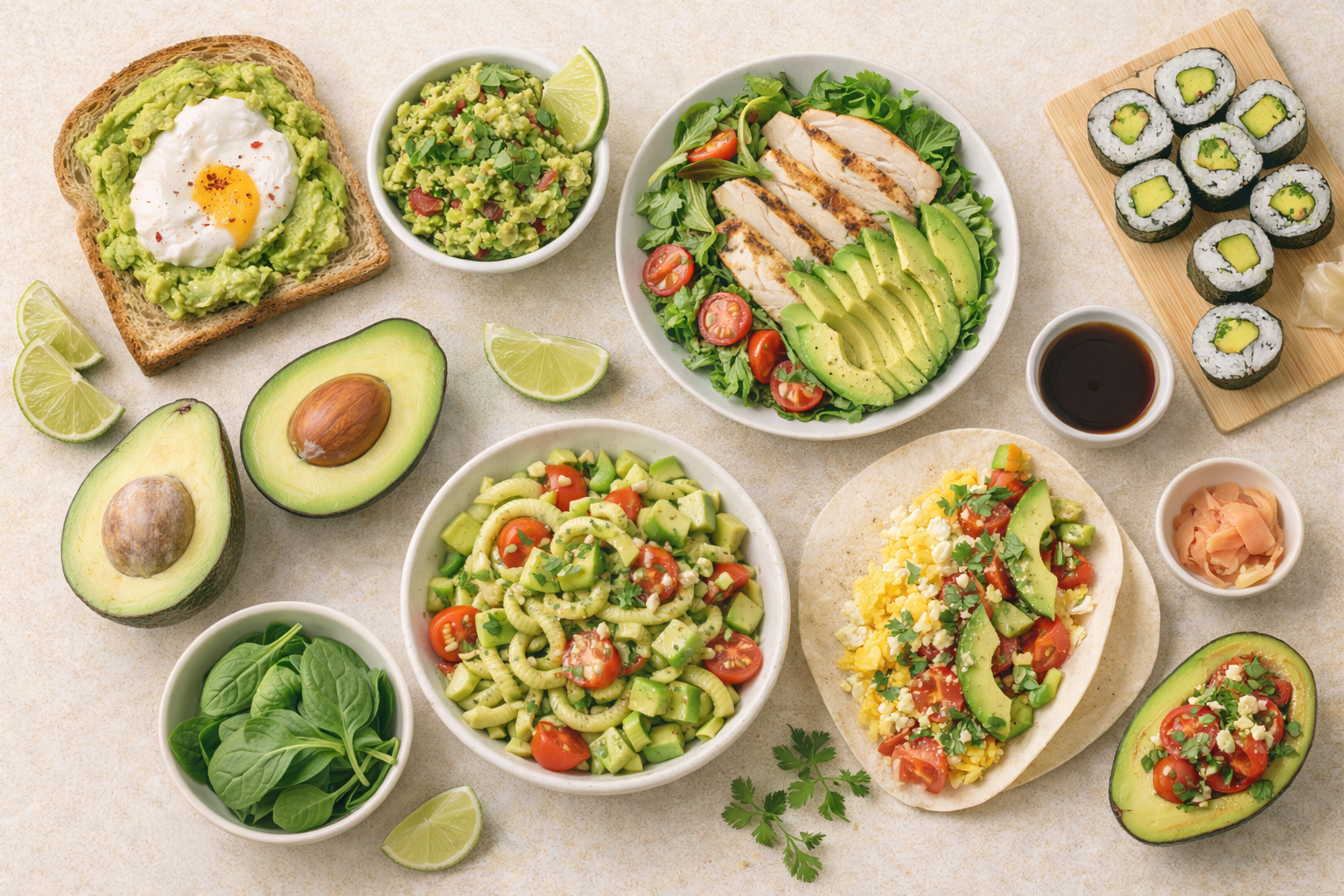
Avocados have become a staple in health-conscious kitchens for a good reason. Creamy, rich, and full of nutrients, this superfood is more than just a trend - it’s a powerful ingredient that fits beautifully into any meal of the day. Whether you're looking for avocado recipes to support heart health, weight management, or just want to enjoy more delicious avocado dishes, this guide is packed with simple, nourishing options you can try at home.Below, we explore why avocados are so good for you and share easy healthy avocado recipes for breakfast, lunch, dinner, snacks, and even dessert.Why Avocados Deserve a Place in Every MealAvocados are nutrient-dense fruits known for their smooth texture and mild flavor. They are an excellent source of monounsaturated fats, which are heart-healthy and help lower bad cholesterol levels. These healthy fats also help increase feelings of fullness and assist in the absorption of fat-soluble vitamins like A, D, E, and K.Key nutritional benefits of avocados include:Fiber: One avocado contains about 10g of fiber, supporting digestion and fullness.Potassium: They have more potassium than bananas, which helps regulate blood pressure.Antioxidants: Including lutein and zeaxanthin, which promote eye health.Versatility: Perfect for vegan, keto, Mediterranean, and clean eating diets.If you’re following a high protein meal recipe or looking to complement a balanced diet, avocados fit in naturally.Breakfast Recipes with AvocadoStarting your day with avocado can help stabilize blood sugar and provide long-lasting energy. Try these easy breakfast ideas:1. Avocado Toast with Poached EggHow to make: Top a slice of whole grain or gluten-free bread with smashed avocado, a poached egg, and a sprinkle of chili flakes and sea salt.Why it works: Protein from the egg, healthy fats from the avocado, and complex carbs from the toast - a complete, satisfying meal.2. Green Smoothie with Avocado and SpinachHow to make: Blend half an avocado with spinach, banana, Greek yogurt, and almond milk for a nutrient-rich smoothie.Bonus: This is also a great option if you’re into healthy low sugar breakfast recipes - it keeps blood sugar stable and supports digestion.3. Scrambled Eggs with Sliced AvocadoHow to make: Prepare soft scrambled eggs in olive oil and serve with sliced avocado on the side. Optional: add cherry tomatoes for brightness.Lunch Recipes with AvocadoAvocados can make your midday meals both satisfying and nutrient-dense.1. Avocado Quinoa BowlHow to make: Mix cooked quinoa with diced avocado, cherry tomatoes, black beans, and a lemon-olive oil dressing.Why it works: It’s high in fiber, protein, and plant-based fats - perfect for energy and fullness.2. Tuna Salad Stuffed AvocadosHow to make: Mix canned tuna with Greek yogurt, mustard, celery, and herbs. Scoop into avocado halves and serve chilled.Tip: This is a great low-carb meal packed with omega-3s and protein.3. Avocado and Grilled Chicken WrapHow to make: Wrap grilled chicken, avocado slices, lettuce, and a yogurt-based dressing in a whole-grain or low-carb wrap.Dinner Recipes with AvocadoThese recipes are ideal for an easy but flavorful evening meal.1. Grilled Salmon with Avocado SalsaHow to make: Top grilled salmon fillets with a salsa made of diced avocado, red onion, tomato, cilantro, and lime.Why it works: Rich in omega-3s and healthy fats - it’s a favorite for Mediterranean or anti-inflammatory meal styles.2. Zucchini Noodles with Avocado PestoHow to make: Blend avocado, garlic, lemon juice, olive oil, and basil into a creamy pesto. Toss with spiralized zucchini and grilled shrimp or tofu.3. Avocado and Black Bean TacosHow to make: Fill corn tortillas with black beans, sliced avocado, lettuce, and salsa. Add grilled veggies or shredded chicken if desired.Want more ideas like this? Check out our filling salad recipes that are perfect for pairing with these dishes.Snack & Dessert Ideas Using AvocadoAvocados can even be used for guilt-free snacks and sweet treats.1. Avocado HummusHow to make: Blend avocado, chickpeas, tahini, garlic, and lemon juice into a creamy dip. Serve with sliced cucumbers or carrots.2. Chocolate Avocado MousseHow to make: Blend ripe avocado with cocoa powder, almond milk, vanilla, and a touch of honey or stevia. Chill before serving.Why it works: It’s creamy, sweet, and packed with healthy fats - a perfect alternative to traditional dessert.3. Sliced Avocado with Lime and Chili FlakesHow to make: Simply slice a ripe avocado, sprinkle with chili flakes, lime juice, and sea salt. Great as a quick snack or side dish.Tips for Storing and Choosing the Right AvocadosHow to Pick a Ripe Avocado:Look for slightly soft avocados that yield to gentle pressure. If the skin is dark and the fruit is mushy, it may be overripe.Speed Up Ripening:Place avocados in a paper bag with a banana or apple for a day or two to ripen faster.How to Store Leftovers:Sprinkle with lemon juice or olive oil and cover tightly in plastic wrap to slow browning. Store in the fridge and consume within a day.ConclusionAvocados are one of the most flexible and nourishing ingredients you can include in your diet. From energizing breakfasts to hearty dinners and satisfying snacks, these avocado recipes make it easy to eat well without sacrificing flavor.Many of the recipes above also appear in our clean eating plans. If you're ready to build better habits and enjoy nutrient-rich meals every day, check out our healthy meal plans in Dubai designed by the experts at Lifter Life....

anti inflammatory diet plan
Anti-Inflammatory Diet Guide with Meal Ideas

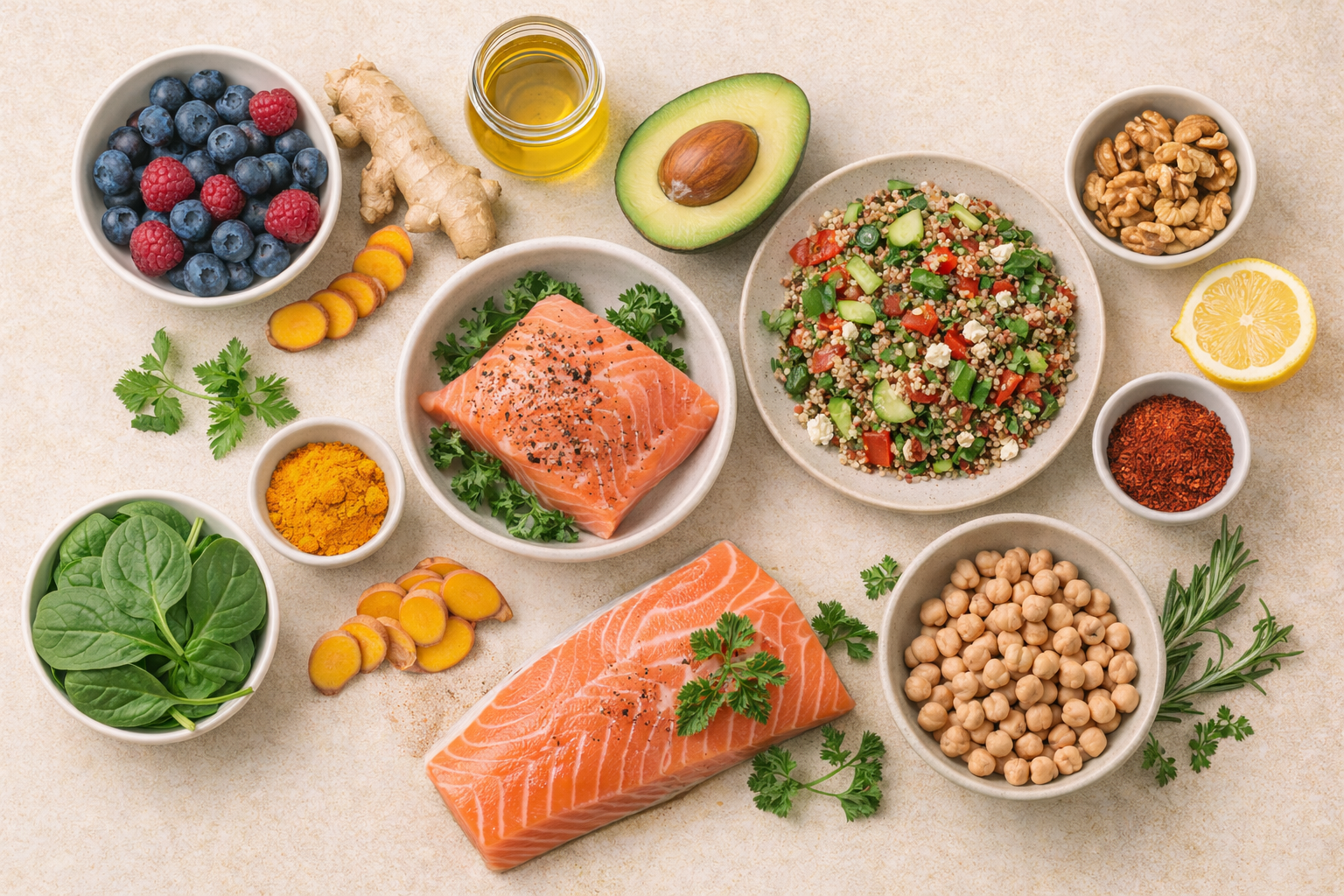
Chronic inflammation is increasingly linked to issues like fatigue, joint pain, skin flare-ups, and even weight gain. While inflammation is a natural immune response, chronic low-grade inflammation can be triggered by poor lifestyle habits - especially diet.That’s where an anti-inflammatory diet plan comes in. Instead of focusing on restriction, this eating style emphasizes whole foods that calm your system and support long-term wellness.In this guide, we’ll break down how it works, what to eat, what to avoid, plus practical meal ideas and anti-inflammatory diet recipes to help you start today.What Is an Anti-Inflammatory Diet?An anti-inflammatory nutrition plan focuses on foods that help reduce the body’s inflammatory response. It’s not a fad - it’s a sustainable way to eat that supports heart health, energy levels, immunity, and digestion.The foundation of this approach includes:Whole, unprocessed foodsAntioxidant-rich ingredients like leafy greens, berries, and olive oilAnti-inflammatory spices such as turmeric, ginger, and garlicIt’s not just about what you add - but also what you reduce: processed foods, refined carbs, and trans fats that can aggravate inflammation.Foods to Eat and AvoidEat More Of:Leafy Greens: Spinach, kale, arugulaBerries: Blueberries, raspberries, strawberriesFatty Fish: Salmon, sardines, mackerel (rich in omega-3s)Healthy Fats: Olive oil, avocado, nuts, seedsSpices: Turmeric, ginger, cinnamon, garlicLegumes: Lentils, chickpeas, black beansAdding more of these foods regularly may reduce bloating and joint discomfort - especially when paired with weight loss spices like cayenne and cinnamon.Limit or Avoid:Processed meats and deli cutsRefined sugar and sugary drinksTrans fats and fried foodExcessive dairy (especially full-fat cheeses)Refined carbs: white bread, pastries, sweet cerealsSample Anti-Inflammatory Meal Plan (1 Day)Here’s an example of a nutrient-rich day following an anti-inflammatory meal plan:BreakfastTurmeric overnight oats with almond milk, blueberries, and chia seedsGreen tea with lemonSnackA handful of walnuts and sliced apple with cinnamonLunchGrilled salmon on arugula with roasted sweet potato, avocado, and olive oil vinaigretteSnackHummus with cucumber and bell pepper sticksDinnerLentil and turmeric stew with garlic, tomatoes, and fresh herbsNeed something crunchy between meals? Try these keto safe snacks, which are naturally low in carbs and free of inflammation-triggering additives.Easy Anti-Inflammatory Recipes to TryThese simple anti-inflammatory diet recipes are full of flavor and healing ingredients.1. Turmeric Chickpea StewIngredients: Olive oil, garlic, onion, turmeric, cumin, canned chickpeas, chopped spinach, veggie brothHow to make: Sauté garlic and onion in olive oil. Add turmeric and cumin. Stir in chickpeas and broth. Simmer 20 mins, then add spinach before serving.2. Berry-Chia Overnight OatsIngredients: ½ cup oats, 1 cup almond milk, 1 tbsp chia seeds, a handful of mixed berries, cinnamonHow to make: Combine everything in a jar. Refrigerate overnight. Eat cold or warm in the morning.3. Green Smoothie with Ginger and FlaxseedIngredients: 1 banana, 1 cup spinach, ½ avocado, 1 tsp grated ginger, 1 tbsp flaxseed, water or coconut milkHow to make: Blend all ingredients until smooth. Drink immediately or store chilled.Tips to Stick to an Anti-Inflammatory LifestyleHere’s how to stay consistent:Plan ahead: Cook in batches and keep anti-inflammatory staples on handFlavor naturally: Cook with turmeric, garlic, or ginger - not processed saucesHydrate: Water helps flush toxins and support digestionSnack smart: Pair fruit or yogurt with seeds or nuts to keep blood sugar steadyFollow a structured plan: A done-for-you guide like Lifter Life’s plans can help you stay consistent with ingredients and prepConclusionAdopting an anti-inflammatory meal plan isn’t about restriction - it’s a lifestyle shift that focuses on real food, natural flavor, and long-term health. Even small daily changes, like adding anti-inflammatory spices or swapping sugar for fruit, can make a noticeable difference over time.Start with a few simple recipes, include more anti-inflammatory ingredients in your daily meals, and explore the benefits of a personalized healthy meal plan in Dubai from Lifter Life to support your wellness journey....

Diabetic-Friendly Desserts That Taste Amazing

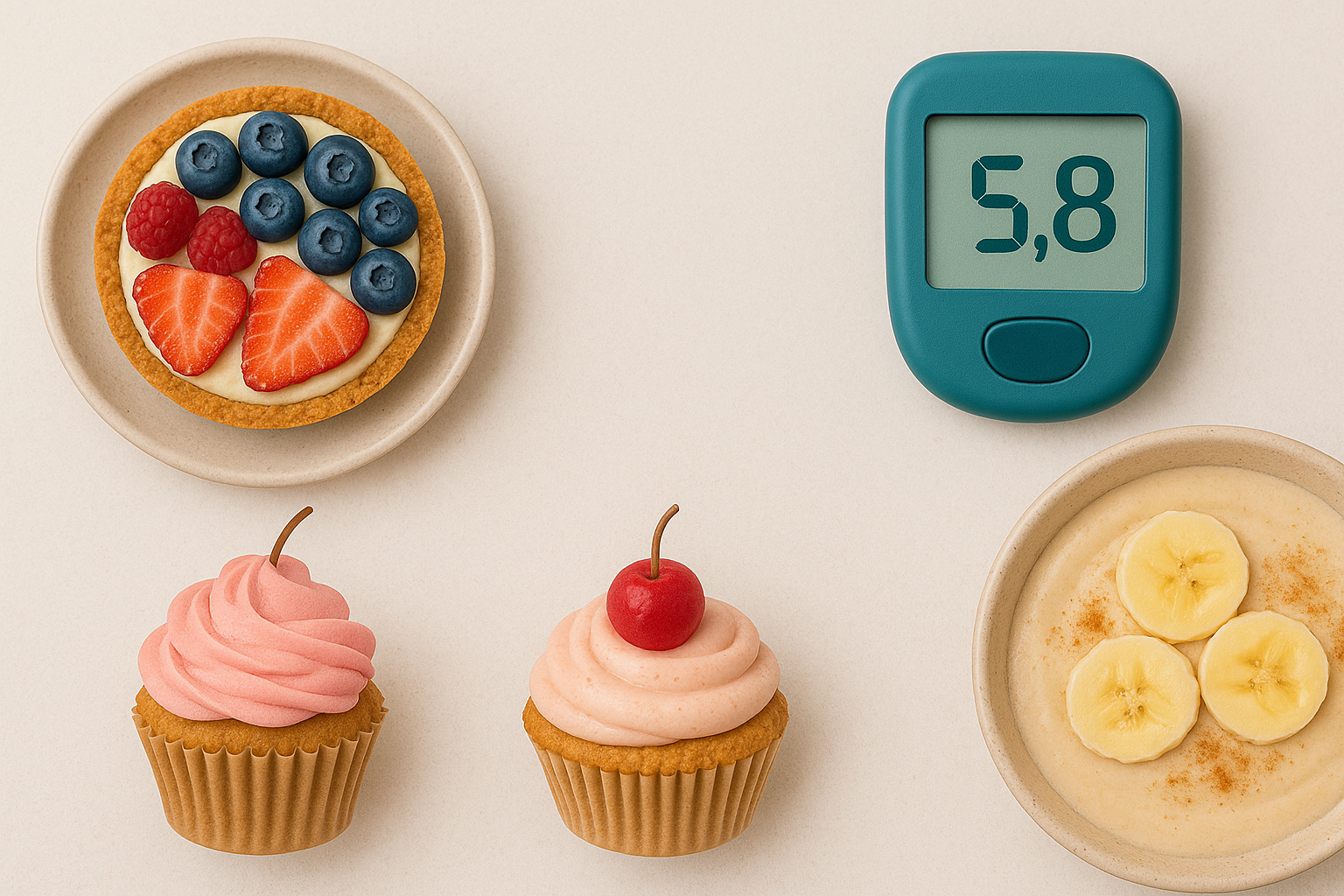
If you live with diabetes, you’ve likely been told to steer clear of sweets. But does managing blood sugar mean you have to give up dessert entirely? Not at all.With the right ingredients and smart portion control, you can enjoy desserts that satisfy your sweet tooth without sending your glucose levels soaring. In this guide, we’ll share a list of diabetic-friendly desserts that are not only safe but also truly enjoyable. Whether you crave something creamy, fruity, or chocolatey, these options will keep your blood sugar and taste buds happy.What Makes a Dessert Diabetic-Friendly?Not all desserts are off-limits-it’s about choosing ingredients that won’t cause sharp blood sugar spikes. Here's what makes a dessert suitable for people with diabetes:Low glycemic index (GI): Helps prevent sudden spikes in blood sugarControlled carbs: Watch portion sizes and total carb contentNo added sugars: Opt for natural or no-calorie sweetenersRich in fiber and healthy fats: Slows glucose absorption and adds satietyRecommended sweeteners include:SteviaMonk fruitErythritolBase your desserts on whole foods like fruits, nuts, seeds, Greek yogurt, or almond/coconut flour for more nutrition and flavor.7 Safe and Delicious Diabetic-Friendly Desserts to Try1. Chia Pudding with Unsweetened Almond MilkIngredients:3 tbsp chia seeds1 cup unsweetened almond milkA few drops of vanilla extractStevia or monk fruit to tasteWhy it's diabetic-friendly: Chia seeds are high in fiber and low in net carbs. This dessert is creamy, filling, and supports blood sugar control.Serving tip: Top with a few raspberries or a sprinkle of cinnamon.2. Berries and Greek Yogurt with CinnamonIngredients:½ cup plain Greek yogurt½ cup mixed berries (blueberries, strawberries, raspberries)Dash of cinnamonWhy it's diabetic-friendly: Berries are lower in sugar than most fruits, and Greek yogurt provides protein to balance blood sugar.Serving tip: Use full-fat Greek yogurt for extra satiety and flavor.3. Avocado Chocolate MousseIngredients:1 ripe avocado2 tbsp unsweetened cocoa powder1–2 tbsp erythritol or monk fruit1 tsp vanilla extractSplash of almond milk (optional)Why it's diabetic-friendly: Avocados provide healthy fats and fiber, making this mousse rich and satisfying without sugar.Prep tip: Blend everything until smooth and chill before serving.4. Baked Apples with Walnuts and CinnamonIngredients:1 small apple, cored1 tbsp chopped walnuts½ tsp cinnamonWhy it's diabetic-friendly: Baking softens the apple and enhances natural sweetness without adding sugar. Walnuts add crunch and healthy fats.Serving tip: Bake at 180°C (350°F) for 15–20 minutes.5. Almond Flour Banana Muffins (No Added Sugar)Ingredients:2 ripe bananas2 eggs1½ cups almond flour1 tsp baking powderCinnamon to tasteWhy it's diabetic-friendly: Almond flour is low in carbs and high in healthy fats. These muffins are sweetened only with banana.Storage tip: Make a batch and refrigerate for up to 5 days.6. Coconut Flour Cookies with SteviaIngredients:¼ cup coconut flour1 egg2 tbsp melted butter or coconut oilStevia to tasteVanilla extractWhy it's diabetic-friendly: Coconut flour is high in fiber and low in carbs. These cookies are naturally sweet, grain-free, and easy to make.Tip: Bake at 175°C (350°F) for 10–12 minutes.7. Frozen Blueberry Yogurt BitesIngredients:½ cup blueberries½ cup plain Greek yogurtOptional: stevia or cinnamonWhy it's diabetic-friendly: Perfect for a quick frozen snack. Each bite provides antioxidants and protein without added sugar.Prep tip: Spoon into small molds or mini muffin liners and freeze until solid.Tips for Enjoying Dessert While Managing Blood SugarPortion is everything: Even healthy desserts should be enjoyed in moderation. Stick to one serving.Pair with protein or fiber: This slows digestion and helps control blood sugar.Eat dessert after a meal, not on an empty stomach-this minimizes glucose spikes.Stay mindful: Avoid emotional or unconscious snacking, even with “safe” options.ConclusionHaving diabetes doesn’t mean dessert is off the table forever. With smart ingredient swaps and portion control, you can enjoy sweet, satisfying treats that don’t throw off your blood sugar.These diabetic-friendly desserts are easy to make, delicious, and can help keep cravings in check without compromising your health.Looking for more guidance? Lifter Life’s personalized meal plans can include occasional diabetic-safe desserts, perfectly portioned and balanced to meet your wellness goals....

Sweet and Healthy Snacks You Can Feel Good About

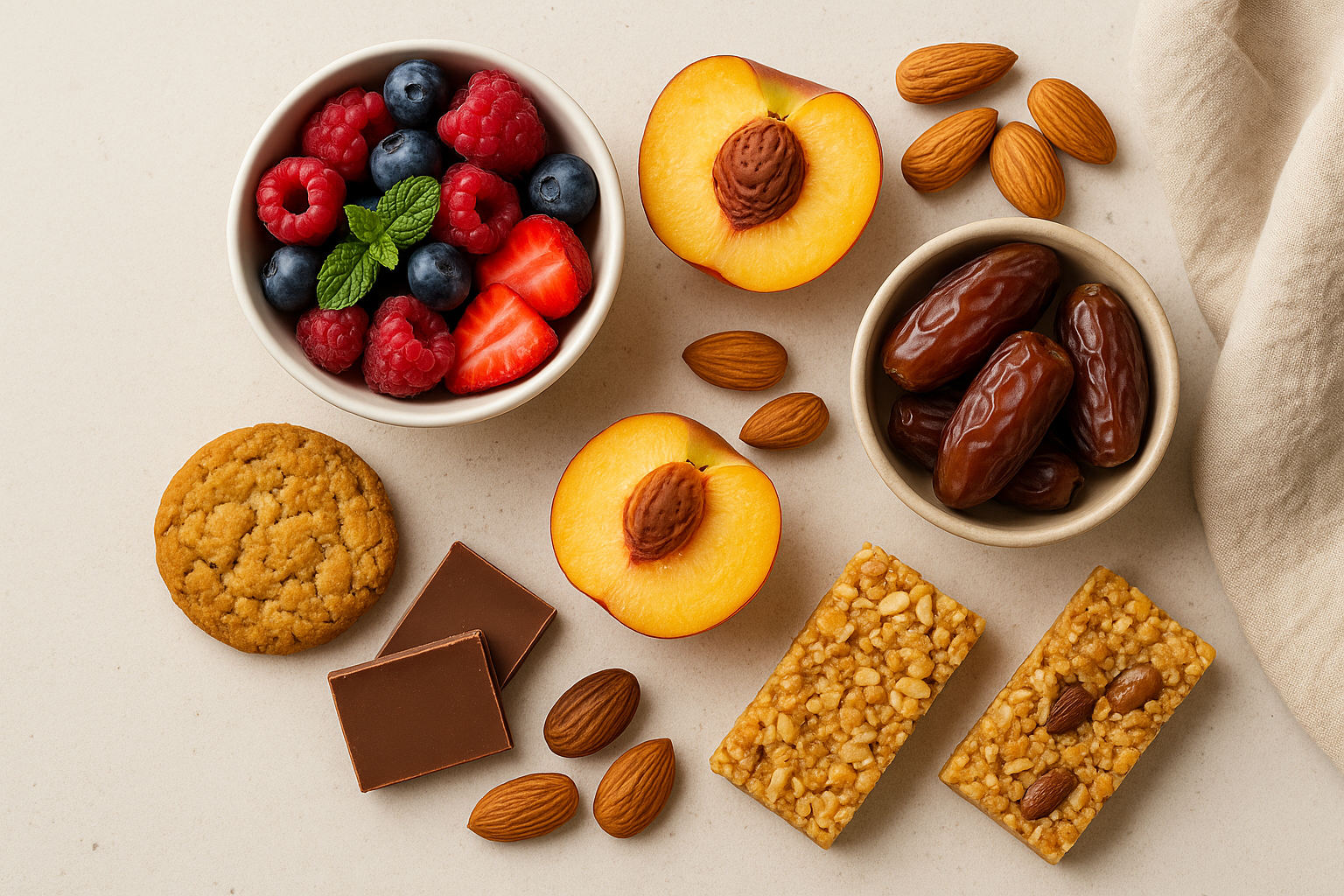
If you’ve ever felt guilty for having a sweet tooth, you’re not alone. The good news? You don’t have to choose between enjoying sweet flavors and sticking to your health goals.With a little intention, sweet and healthy snacks can satisfy cravings and nourish your body. These sweet snacks that are good for you use real ingredients-like fruits, healthy fats, and natural sweeteners-to deliver flavor, balance, and energy.In this guide, we’ll share delicious snack ideas that are both nutritious and indulgent enough to feel like a treat. Perfect for pre-workout boosts, afternoon pick-me-ups, or clean dessert alternatives.Why You Don’t Have to Feel Guilty About Sweet SnacksSnacking, especially when done with nutrient-dense foods, can actually support your energy, focus, and metabolism. The key is choosing snacks that combine natural sugars with fiber, protein, or healthy fats.Instead of reaching for processed candy or pastries, sweet snacks that are healthy-like dates, fruit, dark chocolate, or nut butters-offer:Steady energy without sugar crashesImproved satiety to curb overeating laterBetter mood and focus throughout the dayIt’s all about finding balance, not restriction.Sweet and Healthy Snacks to TryBelow are a few go-to snack ideas that are satisfying, naturally sweet, and easy to prepare.1. Greek Yogurt with Berries and HoneyIngredients: Plain Greek yogurt, fresh or frozen berries, drizzle of raw honeyWhy it’s healthy: High in protein and probiotics, with antioxidant-rich fruit and just a touch of natural sweetnessTip: Prep in jars for an easy grab-and-go option2. Dark Chocolate and Almond ClustersIngredients: 70% (or higher) dark chocolate, almonds, sea saltWhy it’s healthy: Healthy fats, magnesium, and antioxidants from both chocolate and nutsTip: Make a batch and store in the fridge for up to a week3. Dates Stuffed with Peanut ButterIngredients: Medjool dates, natural peanut or almond butterWhy it’s healthy: Natural sugar + fiber from dates, and healthy fat + protein from nut butterWhen to enjoy: Ideal pre-workout snack4. Frozen Banana Slices Dipped in Dark ChocolateIngredients: Banana slices, dark chocolate, optional crushed nutsWhy it’s healthy: Potassium-rich, low-glycemic treat that feels like dessertTip: Freeze in small batches and enjoy as a night-time treat5. Homemade Protein BallsIngredients: Rolled oats, nut butter, protein powder, dates or honeyWhy it’s healthy: Balanced mix of carbs, protein, and fat to keep you full and energizedStorage: Keep in fridge for 5-7 days; perfect for meal prep6. Chia Pudding with Coconut Milk and MangoIngredients: Chia seeds, unsweetened coconut milk, fresh mango chunksWhy it’s healthy: Loaded with fiber, omega-3s, and tropical flavorTip: Soak chia seeds overnight for the best texture7. Apple Slices with Cinnamon and Almond ButterIngredients: Crisp apple slices, almond butter, sprinkle of cinnamonWhy it’s healthy: Combines fiber, antioxidants, and healthy fats for a blood sugar-friendly snackWhen to enjoy: Afternoon or post-lunch pick-me-upHow to Make Sweet Snacks Part of a Healthy LifestyleHere’s how to enjoy sweet snacks without sabotaging your progress:Stick to portion sizes: A few bites of a rich snack can go a long wayPair sweets with fat or protein to prevent blood sugar spikesPre-plan your snacks: Prepare 2-3 options at the beginning of the week to make smart choices easierAvoid ultra-processed “diet” snacks: These can often have hidden sugars or artificial additivesBy planning ahead and choosing nutrient-rich options, sweet snacks can become a regular, healthy part of your routine.ConclusionYou don’t have to give up sweet flavors to eat clean. In fact, with the right ingredients, sweet and healthy snacks can nourish your body, keep cravings in check, and make your day a little brighter.Experiment with a few of the ideas above-and remember, making your own snacks at home gives you full control over the ingredients.Need help building balanced snacks into your routine? Lifter Life’s meal plans include tasty, satisfying treats that are healthy-no guilt required....

High-Protein Smoothie Recipes for a Strong Start

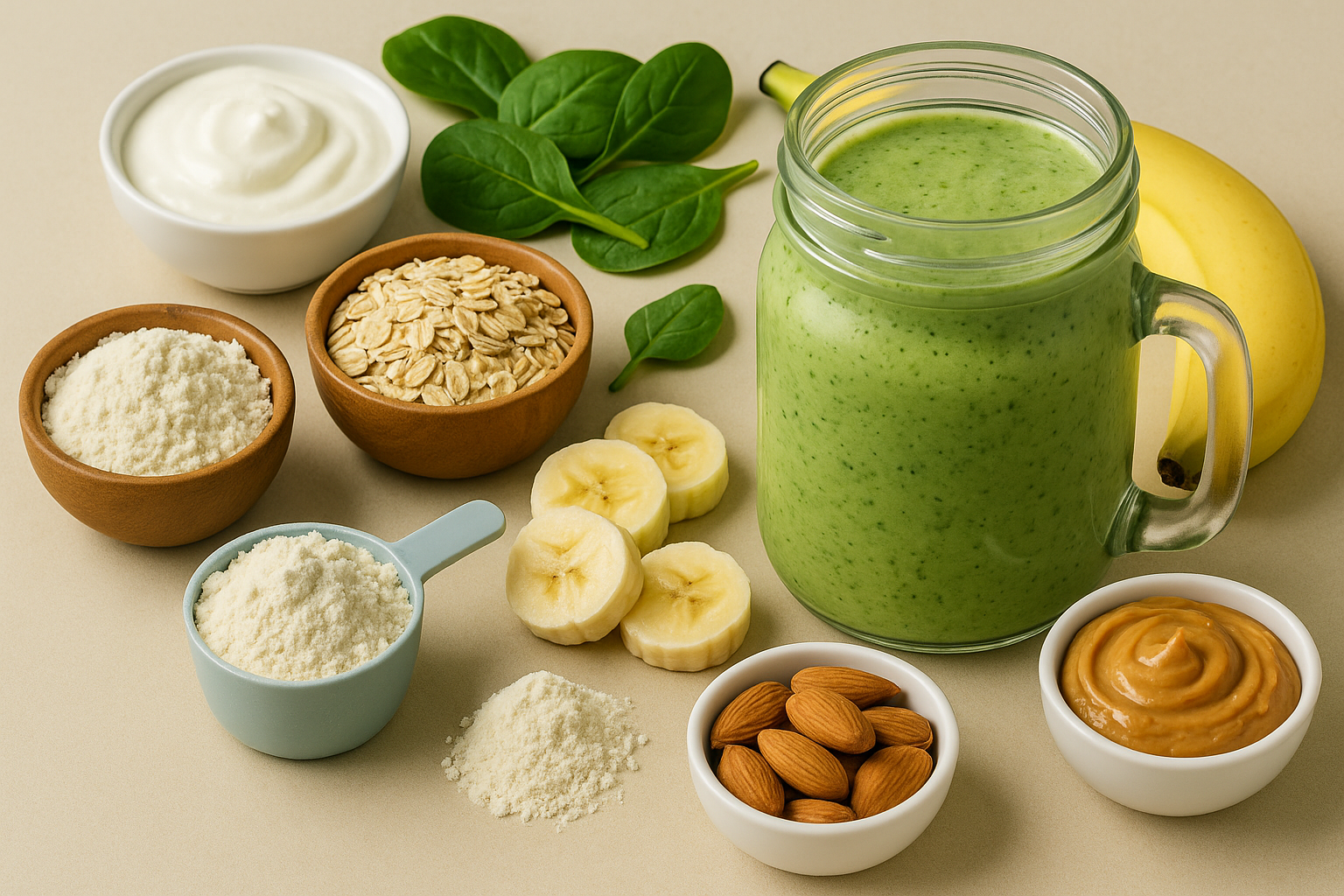
A rushed morning doesn’t have to mean skipping a healthy breakfast. If you're looking for something fast, filling, and energizing, high-protein smoothies are a perfect way to fuel your body-especially if you're on the go.Not only do high-protein fruit smoothies help you stay full until lunch, but they also support your fitness goals, whether you're trying to lose weight, build muscle, or simply maintain energy throughout the day.Below, we’ll explore why starting your day with protein is key, what ingredients to use, and some of the best high-protein smoothie recipes that use real, whole foods.Why Start Your Day With a High-Protein Smoothie?Smoothies offer more than just convenience-they can be a nutrient-packed powerhouse. Starting your day with a high-protein smoothie can:Boost satiety and reduce mid-morning cravingsStabilize blood sugar levels for steady energySupport muscle repair and recovery, especially after workoutsImprove focus and reduce the urge to snack before lunchAnd the best part? They're totally customizable for any lifestyle-plant-based, low-carb, dairy-free, or keto-friendly.What Makes a Smoothie High in Protein?To qualify as a high-protein smoothie, you’ll want around 20–30g of protein per serving-enough to keep you full and support metabolism.Here are some top protein-rich ingredients to include:Greek yogurt (17–20g per cup)Protein powder (20–25g per scoop)Tofu or silken tofu (10g per ½ cup)Nut butters like peanut or almond butter (7–8g per 2 tbsp)Chia or hemp seeds (3–10g per serving)Milk or fortified plant-based milk (6–10g per cup for soy, pea, or dairy milk)5 High-Protein Smoothie Recipes to TryEach of these high-protein smoothie recipes is quick to make, delicious, and loaded with nutrients.1. Chocolate Peanut Butter Banana SmoothieIngredients:1 banana (frozen)1 scoop chocolate protein powder1 tbsp peanut butter¾ cup milk (dairy or soy for extra protein)Ice cubesProtein: ~25gOptional: Add chia seeds for extra fiber and healthy fats2. Berry Greek Yogurt SmoothieIngredients:1 cup frozen mixed berries¾ cup plain Greek yogurt½ cup unsweetened almond milk1 tbsp flaxseedProtein: ~20–22gDairy-Free Option: Swap Greek yogurt for plant-based high-protein yogurt3. Green Protein SmoothieIngredients:1 cup spinach1 scoop vanilla protein powder½ avocado¾ cup unsweetened soy milkIce + cinnamon (optional)Protein: ~25–30gTip: Add half a banana if you want it sweeter4. Tropical Tofu SmoothieIngredients:½ cup silken tofu½ cup frozen mango½ cup frozen pineapple¾ cup coconut water or almond milkProtein: ~18–22gDairy-Free & Vegan: 100% plant-based and filling5. Coffee Almond Breakfast SmoothieIngredients:1 scoop vanilla or mocha protein powder½ cup cold brewed coffee1 tbsp almond butter½ banana½ cup milk of choiceProtein: ~22–25gGreat for: Morning energy or pre-workout fuelTips to Customize Your Smoothie for More ProteinWant to level up your smoothie? Here’s how to add even more protein without much effort:Seeds: Chia, hemp, and flax not only boost protein but also add fiber and omega-3sOats: Blend in ¼ cup for a heartier texture (adds ~4g protein)High-Protein Milk: Choose soy, pea, or dairy milk instead of almond or oat milkDouble your protein: Mix Greek yogurt and protein powder for a double boostWhen to drink them: These smoothies are perfect for breakfast, post-gym recovery, or even as a mid-afternoon pick-me-up.ConclusionProtein-packed smoothies are a delicious and effective way to start your day strong-no matter how busy your morning gets. They're quick to make, easy to customize, and keep you full and energized.Want to make healthy eating even easier? Lifter Life’s meal plans incorporate high-protein smoothies into personalized routines, helping you reach your goals without the guesswork.Try one of these smoothies tomorrow and see the difference in your energy and appetite all day long....

10 High-Protein Low-Carb Foods to Keep You Full

If you've ever felt constantly hungry while trying to lose weight, you're not alone. The key to feeling satisfied without overloading on calories often comes down to choosing the right foods-especially those that are high in protein and low in carbs.High-protein, low-carb foods are ideal for fat loss, muscle building, and keeping cravings under control. This approach not only helps stabilize blood sugar but also supports metabolism and lean muscle maintenance.Whether you're aiming to slim down or just want more energy and fewer cravings, these 10 foods are nutrient-dense, versatile, and simple to include in your daily routine. Many of them are staples in Lifter Life's meal plans for a reason!Why High-Protein and Low-Carb Is a Winning ComboProtein is the most filling macronutrient-it curbs hunger, reduces snacking, and helps your body recover and build muscle after exercise. Meanwhile, lowering carbohydrate intake-especially refined carbs-reduces blood sugar spikes and improves energy levels throughout the day.This high-protein, low-carb combo is particularly popular among those living an active lifestyle in Dubai and beyond, where fitness and body composition are top priorities.10 High-Protein, Low-Carb Foods to Add to Your Plate1. Chicken BreastWhy it works: Lean, versatile, and packed with complete protein.Nutrition (per 100g cooked): ~31g protein, 0g carbsHow to eat: Grilled, air-fried, or stir-fried with herbs and spices.2. EggsWhy it works: A perfect balance of protein and healthy fat.Nutrition (per large egg): ~6g protein, <1g carbsHow to eat: Boiled, scrambled, poached, or in egg muffins.3. Greek Yogurt (Unsweetened)Why it works: High in protein and probiotics; great for gut health.Nutrition (per 170g/6oz): ~15–20g protein, 5–7g carbsHow to eat: As a snack or breakfast with chia seeds and cinnamon.4. Tuna or Salmon (Canned or Fresh)Why it works: Omega-3 rich, muscle-supporting protein source.Nutrition (per 100g canned tuna): ~25g protein, 0g carbsHow to eat: In lettuce wraps, salads, or baked with olive oil.5. Tofu or TempehWhy it works: Plant-based, protein-rich, and low in carbs.Nutrition (per 100g tofu): ~10g protein, 2g carbsTempeh: ~19g protein, ~9g carbsHow to eat: Pan-seared with spices, or in low-carb stir-fries.6. Cottage CheeseWhy it works: High in casein protein (slow-digesting), ideal for satiety.Nutrition (per 100g): ~11g protein, ~3g carbsHow to eat: With flaxseeds, cucumber, or a few berries.7. Lean BeefWhy it works: Iron-rich, muscle-building, and satisfying.Nutrition (per 100g cooked): ~26g protein, 0g carbsHow to eat: Ground in meatballs or grilled steak strips.8. EdamameWhy it works: Plant-based protein + fiber = great for fullness.Nutrition (per 100g cooked): ~11g protein, ~8g carbsHow to eat: Lightly salted or tossed with chili flakes as a snack.9. Whey ProteinWhy it works: Quick-digesting, convenient, great post-workout.Nutrition (per scoop/30g): ~20–25g protein, 1–3g carbsHow to eat: Blend into smoothies, pancakes, or oats.10. Nuts & Seeds (in moderation)Why it works: Healthy fats + protein = sustained energy.Nutrition (per 28g almonds): ~6g protein, ~6g carbsHow to eat: As a snack, or mixed into Greek yogurt or salads.Tips for Including These Foods in Your Daily RoutineCombine 2–3 of these foods per meal for better satiety.Prep in advance: Boil eggs, portion Greek yogurt, or cook chicken in batches.Keep healthy options visible and accessible (like cottage cheese or tuna packs).Lifter Life’s custom meal plans already use many of these foods-saving you time and effort.ConclusionChoosing high-protein, low-carb foods is one of the most effective ways to stay full, build muscle, and control your weight. They’re simple, satisfying, and can be easily worked into any lifestyle.Start by adding a few of these to your meals this week, and notice the difference in your hunger, energy, and results.Need help planning your meals? Lifter Life’s team crafts protein-balanced, low-carb meal plans to support your goals without the guesswork....

High-Protein Snacks: Healthy Ideas & Easy Recipes

Tired of snacks that leave you hungry again an hour later? Whether you're working toward a fitness goal or just trying to avoid the afternoon slump, high-protein snacks can make a big difference.Protein helps keep you full, fuels your energy, and supports muscle recovery-all without the blood sugar crash that comes from sugary or carb-heavy snacks. In this guide, you'll discover healthy protein snacks you can buy or make at home, including easy recipes to keep things interesting.Why Choose High-Protein Snacks?There’s a reason why protein-rich snacks are popular among health professionals and fitness enthusiasts. Compared to carbs or fats alone, protein helps with:Satiety: Keeps you feeling full longerBlood Sugar Stability: Slows digestion and avoids crashesMuscle Repair: Especially important after workoutsMetabolism Support: Higher thermic effect than other macronutrientsWhether you're on a weight loss journey, managing busy days, or trying to build strength, protein snacks help you stay on track.How Much Protein Should a Snack Have?A good target for a high-protein snack is 10–20 grams of protein per serving. This range helps curb hunger without becoming a full meal.To keep you full even longer, pair your protein with healthy fats or fiber—think nuts, seeds, or fresh veggies.Here’s a quick guide based on your goals:GoalIdeal Protein Per SnackWeight loss12–20gLight snack8–12gPost-workout15–25gMeal replacement20–30gBest High-Protein Snacks You Can BuyLooking for grab-and-go options that are protein-rich and convenient? Here are great store-bought ideas:Greek yogurt (unsweetened) – ~15–18g protein per servingCottage cheese – ~14g per half cupJerky (beef, turkey, or plant-based) – ~10–15g per servingProtein bars (low sugar, <200 kcal) – ~12–20g proteinHard-boiled eggs – ~6g eachRoasted chickpeas – ~6g per 1/4 cupEdamame pods – ~10g per cupProtein shakes – Choose whey or plant-based with clean ingredientsJust check the labels—some "protein snacks" are high in sugar or low in actual protein.Healthy High-Protein Snacks to Make at HomeHomemade snacks give you more control over ingredients and usually save money. Here are easy, healthy protein snacks you can prep in minutes:Hummus with veggie sticks – Add extra tahini or Greek yogurt for more proteinTurkey or chicken roll-ups – Wrap with avocado, hummus, or cheeseChia seed pudding with protein powder – Prep overnight with almond milkOvernight oats with Greek yogurt – Add chia seeds or nut butter for extra punchTofu bites – Pan-fried or baked with dipping sauceEgg muffins or mini frittatas – Packed with veggies and cheeseTuna salad-stuffed cucumbers – Refreshing and fillingThese are perfect for meal prep or mid-day fuel at work or school.Easy Protein Snack RecipesNeed some go-to recipes? Try these high-protein snacks recipes that are simple and satisfying:1. No-Bake Protein BallsIngredients:1 cup oats1/2 cup natural peanut butter1/4 cup protein powder1 tbsp chia seeds2 tbsp honeyInstructions:Mix all ingredients until sticky and combined.Roll into small balls.Refrigerate for 30 minutes before eating.Protein: ~6–8g per 2 balls2. Savory Cottage Cheese DipIngredients:1/2 cup cottage cheese1 tbsp chopped chives or herbsSalt & pepper to tasteDash of garlic powderInstructions:Blend or stir until smooth.Serve with sliced cucumber, bell pepper, or whole grain crackers.Protein: ~14g per serving3. Homemade Protein BarsIngredients:1 cup oats1/2 cup nut butter1/4 cup honey1/2 cup protein powder1–2 tbsp milk (if needed)Instructions:Mix everything until a thick dough forms.Press into a lined container and refrigerate for 1 hour.Slice into bars.Protein: ~10–12g per barTips to Snack SmarterEating more protein doesn’t mean reaching for every bar labeled "high-protein." Here’s how to keep your snack game strong:Watch for sugar: Many bars and yogurts are loaded with hidden sugars.Keep portions in check: Nuts and cheese are healthy—but calorie dense.Balance macros: Pair protein with fiber or fat to stay full longer.Plan ahead: Prep snacks on weekends to avoid last-minute temptations.Hydrate: Sometimes what feels like hunger is actually dehydration.ConclusionProtein-rich snacks are one of the simplest ways to stay full, focused, and fueled between meals. Whether you’re trying to lose weight, gain muscle, or just avoid the afternoon crash, the right snack can help you stay on track.Mix up your routine with a combination of store-bought and homemade options, and experiment with what works best for your lifestyle.Need help planning your day around protein? Lifter Life’s meal plans include delicious, high-protein snacks designed to match your goals and keep you satisfied....

Carnivore Diet
Carnivore Diet Recipes: Simple, Meat-Only Meals

Thinking about going full meat mode? The carnivore diet is one of the most straightforward (and controversial) approaches to eating—but it’s also surprisingly effective for some when it comes to fat loss, mental clarity, and reducing inflammation.At its core, the carnivore diet is exactly what it sounds like: you eat only animal-based foods. No plants, no carbs, no sugar—just meat, eggs, and animal fats. But if that sounds boring, don’t worry. With the right recipes, eating carnivore can be simple, satisfying, and far from repetitive.This post breaks down easy carnivore diet recipes, including chicken dishes, hearty meals, and even carnivore-friendly desserts to help you stick to the plan without getting bored.What Can You Eat on the Carnivore Diet?The carnivore diet includes only animal-based foods. Here’s what’s typically allowed:Beef, lamb, pork, chicken, turkey, duckFish and seafoodEggsOrgan meats (like liver, heart, kidney)Animal fats (like tallow, lard, butter)Bone brothSome versions of the carnivore diet allow butter, ghee, and cheese (if tolerated), and basic seasoning like salt. You’ll want to avoid all fruits, vegetables, grains, nuts, legumes, processed foods, and sugar.Carnivore Breakfast IdeasStart your day with energy and protein. Here are some simple, filling carnivore breakfast recipes:Bacon and Eggs - The classic. Use pasture-raised eggs and sugar-free bacon.Steak and Eggs - A perfect high-protein start to the day.Scrambled Eggs with Liver - A nutrient-dense breakfast to get in some organ meat.Bone Broth Latte - Blend warm bone broth with beef tallow or ghee for a comforting drink.Easy Carnivore Lunch RecipesNeed something fast but filling? These recipes for the carnivore diet work great for lunch:Grilled Chicken Thighs - Skin-on, seasoned with just salt, cooked in tallow.Ground Beef Bowls with Bone Marrow Butter - High-fat, deeply satisfying.Tuna Patties - Mix canned tuna with eggs, pan-fry in butter.Sautéed Beef Liver - Quick and full of iron and B vitamins.If you're looking specifically for carnivore diet chicken recipes, opt for skin-on thighs, wings, or drumsticks roasted in animal fat. Chicken breast can be a bit dry unless paired with fat like ghee or butter.Carnivore Dinner RecipesDinner is where the carnivore diet really shines. Here are some hearty meal ideas:Ribeye Steak - Season with salt and sear in a cast iron pan.Roasted Lamb Chops - Rich and flavorful, no need for sauces.Slow-Cooked Beef Short Ribs - Fall-apart tender, just salt and broth.Seared Duck Breast or Pork Belly - Perfect for higher-fat days.Cooking tip: Use animal fats like beef tallow or lard for frying and roasting to stay 100% carnivore-compliant.Snacks and On-the-Go IdeasBusy day? These quick high-protein carnivore snacks will keep you going:Hard-boiled eggsSugar-free beef jerky or biltongCold leftover burger pattiesBone broth in a travel mugDeli meat slices (read labels to avoid sugar)Carnivore Diet Dessert RecipesYes, desserts on a carnivore diet are limited—but not impossible. Here are a few ideas for carnivore diet dessert recipes (if you're following a more relaxed version):Whipped Cream “Fat Bomb” - Heavy cream whipped with vanilla extract (no sweetener).Frozen Egg Custard - Blend egg yolks with cream and freeze.Baked Egg Pudding - Mix eggs, cream, and cinnamon, bake until set.These are only suitable if you tolerate dairy and are not following strict zero-carb guidelines.Tips for Cooking Carnivore-Friendly MealsUse cast iron pans for the best sear and natural non-stick cooking.Stick to salt only, or minimal herbs if your version allows.Always cook in animal fat—it boosts calories and satiety.Rotate muscle and organ meats for balanced nutrition.ConclusionThe carnivore diet may sound extreme, but it doesn’t have to be boring. With the right carnivore diet recipes, you can keep your meals simple, satisfying, and packed with nutrients. Whether you're craving crispy chicken thighs, a juicy steak, or a rich bone broth, there’s something here for every meat-lover.Try prepping 2-3 new recipes this week to stay consistent, avoid food fatigue, and make the diet work for your lifestyle.Looking for structure and variety? Lifter Life’s meal plans can include carnivore-style menus, helping you stay on track with clean, protein-rich meals designed for fat loss and muscle maintenance....

negative calorie foods
What Are Negative Calorie Foods?

Can eating certain foods actually help you burn more calories than you consume?The idea of negative calorie foods has been floating around diet and wellness conversations for years. It's an appealing thought: you eat something healthy, and your body works so hard to digest it that you burn more calories than the food provides-leading to weight loss, effortlessly.But is there any truth to this?In this article, we’ll break down what negative calorie foods are supposed to be, what science really says about them, and how you can use smart food choices to support weight loss without falling for myths.What Does “Negative Calorie Food” Mean?The term negative calorie food refers to a theory that certain foods take more energy to digest than they provide in calories. In other words, you end up with a net loss of calories just by eating them.This idea is loosely based on something real called the Thermic Effect of Food (TEF)-the energy your body uses to chew, digest, absorb, and process nutrients from your meals.While TEF is a real metabolic process, it usually accounts for only 5–15% of your daily energy expenditure. And while fibrous or protein-rich foods may take more energy to digest, there’s no strong scientific evidence that any food burns more calories than it contains.Do Negative Calorie Foods Really Exist?In short: not exactly.No research has confirmed the existence of true negative calorie foods. But that doesn’t mean the idea is completely useless.Many foods commonly labeled as “negative calorie” are:Very low in caloriesHigh in fiberHigh in water contentNutrient-rich and fillingSo while they might not cause a calorie deficit by digestion alone, they can help support a calorie deficit overall-which is key for weight loss.Commonly Claimed Negative Calorie FoodsHere are some foods often referred to as negative calorie foods, along with their calorie content per 100g:Celery – ~14 caloriesCucumber – ~16 caloriesLettuce – ~15 caloriesZucchini – ~17 caloriesGrapefruit – ~42 caloriesBroccoli – ~35 caloriesCauliflower – ~25 caloriesWatermelon – ~30 caloriesAll of these are excellent choices in a low-calorie diet, even if they don’t burn more calories than they provide. They're refreshing, fiber-rich, and perfect for filling up your plate without overloading on calories.How These Foods Help With Weight LossHere’s how these foods can genuinely support your fat loss efforts:High in fiber: Fiber slows digestion and helps you feel full longer, reducing the likelihood of overeating.High in water: Foods with high water content add volume without adding calories, which helps with satiety and hydration.Low in calorie density: You can eat larger portions for fewer calories, which is helpful when managing hunger on a diet.Think of them as volume foods-they bulk up meals and snacks without spiking your calorie intake.Can You Eat Only These Foods and Lose Weight?Technically, eating just celery or lettuce all day might lead to weight loss due to a severe calorie deficit-but that’s neither healthy nor sustainable.A diet made up entirely of low-calorie vegetables lacks essential nutrients like protein, healthy fats, vitamins, and minerals. You might lose weight quickly, but you’ll likely feel tired, hungry, and eventually burned out.Instead, use these foods as part of a balanced plate:Combine them with lean proteins (like chicken, eggs, or tofu)Add healthy fats (avocado, olive oil, nuts)Include complex carbs if your diet allows (quinoa, sweet potato, legumes)This approach supports long-term fat loss, energy, and health.A Better Approach: Focus on Low-Calorie, High-Nutrient FoodsRather than chasing the myth of negative calorie foods, aim to fill your diet with low-calorie, high-nutrient whole foods that support your goals:Leafy greensCruciferous veggies (broccoli, cabbage)Lean proteins (chicken breast, tuna, eggs)Whole fruits (berries, apples)Legumes and beansGreek yogurt and cottage cheeseThese foods don’t just keep calories in check-they fuel your body with the nutrients it needs to burn fat, build muscle, and feel your best.ConclusionThe concept of negative calorie foods might sound too good to be true-because it is. There’s no scientific proof that any food burns more calories than it provides. However, many of the foods that fall under this label are still excellent additions to a weight-loss-friendly diet.Use them smartly: load your plate with high-fiber, low-calorie veggies, hydrate with water-rich fruits, and pair these foods with protein and healthy fats for a satisfying, balanced approach to eating.Want a bit of help putting it all together? Lifter Life’s expert meal plans are built with real food-including fiber-rich fruits and vegetables-to support weight loss without fad diets or extreme restrictions....

Get Lifted, Today!

Sign-up for our updates and exclusive offers!

Whatsapp