Lifter Life Blog

Dive into our blog for a treasure trove of culinary inspiration! Uncover the secrets of wholesome meal plans, tantalizing recipes, and expert tips that make healthy eating a joyous experience.

fish calories
Fish Calories and Nutrition Facts per 100g by Type

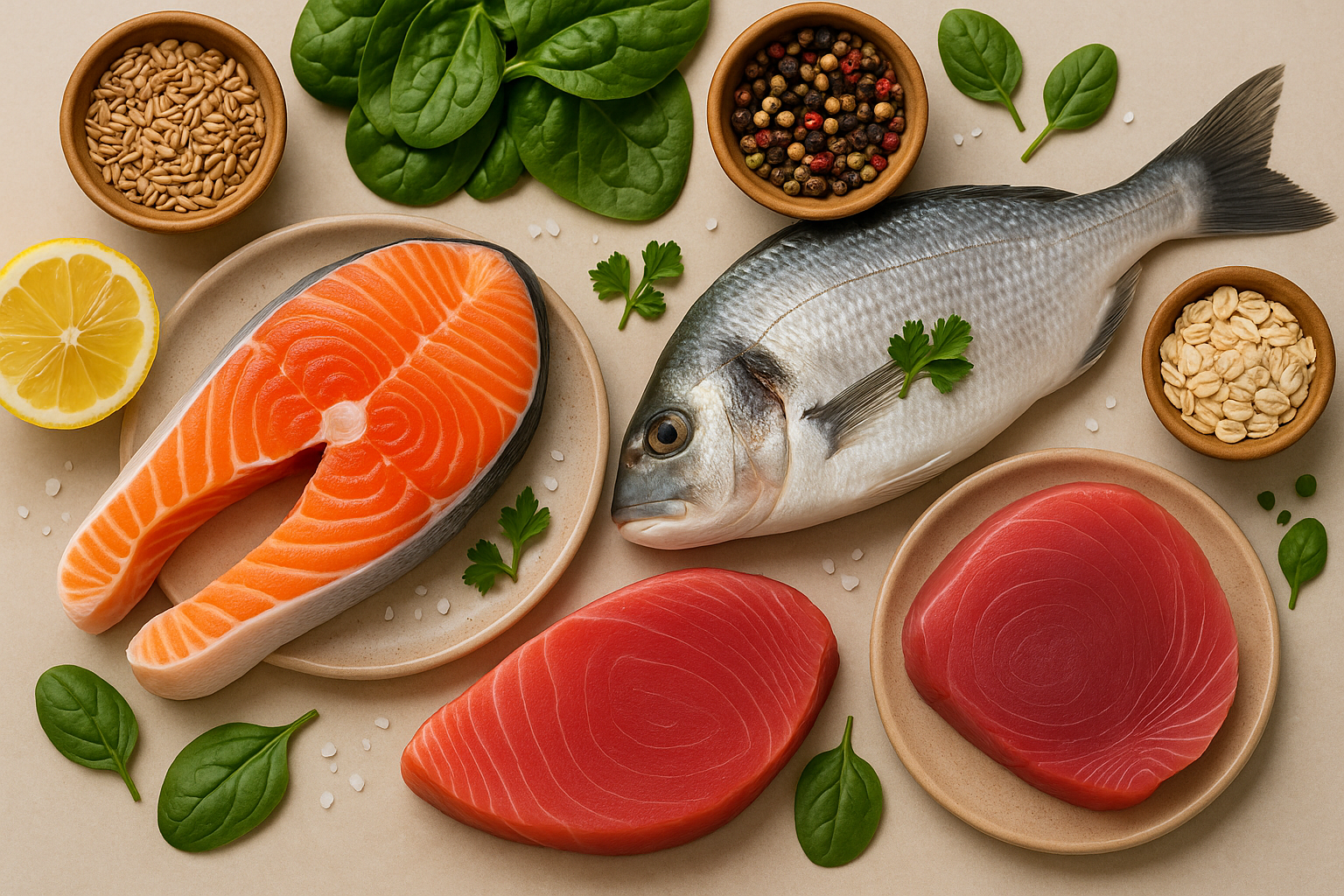
Fish ranges from about 82 calories per 100g (raw cod) to about 208 (farmed Atlantic salmon). Cooked fish shows more calories per 100g than raw because it loses water, not because it gains calories. For the most protein per calorie, choose cod, canned tuna in water, grouper (hammour), yellowfin tuna or tilapia. The table below covers 12 fish, raw and cooked.Fish Calories per 100g, Raw and CookedValues are USDA FoodData Central reference values per 100g, rounded. Cooked means baked or cooked with dry heat and no added oil. Canned fish is drained. Protein per 100 kcal uses the cooked values.FishRaw kcalCooked kcalProteinFatProtein per 100 kcalFDA mercury groupCod8210522.8g0.9g21.7gBest ChoiceCanned tuna in water (drained)n/a11625.5g0.8g22.0gBest Choice (light)Grouper (hammour)9211824.8g1.3g21.0gGood ChoiceSea bass9712423.6g2.6g19.0gGood ChoiceTilapia9612826.2g2.7g20.5gBest ChoiceYellowfin tuna10913929.1g1.1g20.9gGood ChoiceRainbow trout (farmed)14116823.8g7.2g14.2gBest ChoiceSalmon, wild Atlantic14218225.4g10.9g14.0gBest ChoiceHerring15820323.0g11.5g11.3gBest ChoiceSalmon, farmed Atlantic20820622.1g12.4g10.7gBest ChoiceSardines, canned in oil (drained)n/a20824.6g11.5g11.8gBest ChoiceMackerel, Atlantic20526223.8g17.8g9.1gBest Choicen/a means the fish is only sold canned. Mercury groups are from the FDA and are explained further down.Raw or Cooked: Which Number Should You Use?Use the raw numbers if you weigh fish before cooking and the cooked numbers if you weigh it on the plate. Do not mix them. Cooking drives off water, so 100g of cooked cod is more concentrated than 100g of raw cod (105 calories against 82). The piece as a whole does not gain calories.For example, a 150g raw cod fillet has about 123 calories. It cooks down to roughly 117g, which at 105 calories per 100g is still about 123 calories. Weighing raw fish and then using the cooked figure overstates the calories by about 25 to 35%.Farmed salmon is the exception: 208 raw and 206 cooked, because some fat cooks out along with the water.Salmon Calories: Farmed vs WildThis is the number people most often get wrong. Farmed and wild Atlantic salmon are very different in fat, and so in calories. Most Atlantic salmon sold in shops is farmed, so check the label.Per 100gCaloriesProteinFatFarmed Atlantic, raw20820.4g13.4gFarmed Atlantic, cooked20622.1g12.4gWild Atlantic, raw14219.8g6.3gWild Atlantic, cooked18225.4g10.9gA 150g raw fillet is about 312 calories if farmed and about 213 if wild. Either is a good choice. The extra fat in farmed salmon is mostly the reason for the extra calories.Tuna CaloriesCanned tuna in water has 116 calories and 25.5g of protein per 100g drained. Canned in oil has about 186 to 198 calories, roughly 60 to 70% more, so check the tin. Yellowfin tuna steak has 109 calories raw and 139 cooked, with 29.1g of protein per 100g cooked, the most of any fish in the table.Tuna is also where mercury matters most. See the mercury section below.Tilapia CaloriesTilapia has 96 calories per 100g raw and 128 baked, with 26.2g of protein per 100g cooked. A 150g raw fillet is about 144 calories, and it stays about 144 calories once cooked. It is not 190 to 200, which is what you get by applying the cooked figure to the raw weight.How Cooking Method Changes Fish CaloriesMethodWhat it doesExample: 150g raw cod filletBaking, grilling, steaming, poachingAdds no calories. Per 100g goes up only because water is lostAbout 123 caloriesPan fryingAdds the oil you eat. 1 tablespoon of olive oil is about 120 caloriesUp to about 245 caloriesBreaded or battered and friedAdds oil plus the coating. 30g of flour or breadcrumbs is about 110 to 120 caloriesUp to about 360 caloriesThese are estimates that assume you eat all the oil. Deep frying usually takes up more oil than a tablespoon, and butter, sauces and dressings count on top.Fish Protein: Which Fish Has the Most?Ranked by protein per 100g cooked: yellowfin tuna (29.1g), tilapia (26.2g), canned tuna in water (25.5g), wild salmon (25.4g) and grouper (24.8g). Fish protein is complete, which means it contains all nine essential amino acids.Best Fish for Weight LossFor weight loss, the useful measure is protein per 100 calories. Canned tuna in water gives 22.0g, cod 21.7g, grouper 21.0g, yellowfin tuna 20.9g and tilapia 20.5g. Oily fish gives less protein per calorie but still fits a weight loss plan if you watch the portion.140g cooked portionCaloriesProteinCod14732gTilapia17937gYellowfin tuna19541gSalmon (wild)25536gSalmon (farmed)28831gMackerel36733g140g is the NHS portion size. Building fish into a calorie target? Our 1200 calorie meal plan uses cod, tilapia, salmon and hammour, and our weight loss meal plan does the counting for you.Oily Fish, Omega-3 and How Much to EatThe NHS advises at least 2 portions of fish a week, including 1 of oily fish, with a portion being about 140g. It describes oily fish such as salmon and sardines as high in long-chain omega-3 fats and a good source of vitamin D. Girls and women who may become pregnant, and pregnant or breastfeeding women, should have no more than 2 portions of oily fish a week. The NIH lists salmon, sardines, herring and mackerel as cold-water fatty fish. If you are worried about vitamin D, see our guide to vitamin D deficiency.Mercury in FishThe FDA and EPA sort fish into three groups. The serving size for adults is 4 ounces, about 113g.FDA groupHow oftenFishBest Choices2 to 3 servings a weekSalmon, cod, tilapia, sardines, herring, trout, pollock, haddock, Atlantic mackerel, canned light tunaGood Choices1 serving a weekHalibut, sea bass, grouper, albacore tuna, yellowfin tunaChoices to AvoidAvoid if pregnant, breastfeeding, or feeding young childrenBigeye tuna, king mackerel, swordfish, sharkHammour is a grouper, so it falls in the Good Choices group. If a fishmonger sells "kingfish", ask which species it is, because king mackerel is on the avoid list. In pregnancy the NHS also advises no more than 4 cans of tuna or 2 tuna steaks a week, and no shark, swordfish or marlin. This is US and UK guidance. For most adults eating a variety of fish, mercury is not a big concern.Fresh, Frozen or Canned: Does It Change the Calories?Fresh and frozen fish of the same species are nutritionally very similar. Canned fish in water is close to fresh for protein and calories. Canned in oil is the one to watch: canned tuna goes from 116 calories per 100g in water to about 186 to 198 in oil. Smoked fish has a similar calorie count to fresh but is usually much higher in salt.Want Fish Built into Your Week?Salmon, cod and tuna dinners with the macros worked out are in our healthy dinner ideas. If you would rather not cook, Lifter Life's weight loss meal plan and muscle gain meal plan are delivered fresh across Dubai.Frequently Asked QuestionsHow many calories are in 100g of fish?From about 82 for raw cod to about 208 for raw farmed Atlantic salmon. Cooked, lean fish such as cod, grouper and tilapia is roughly 105 to 130 calories per 100g, and oily fish such as mackerel is about 260.Which fish has the fewest calories?Cod, at about 82 calories per 100g raw or 105 cooked. Canned tuna in water (116 drained), grouper and tilapia are close behind.How many calories are in a salmon fillet?A 150g raw fillet has about 312 calories if it is farmed Atlantic salmon and about 213 if it is wild. Check the label, because the two are very different.Is cooked fish higher in calories than raw fish?Per 100g, yes, because cooking removes water. The whole fillet does not gain calories unless you add oil, butter or a coating. Weigh your fish raw or cooked and use the matching number.How many calories are in tuna?Canned tuna in water has about 116 calories per 100g drained. Canned in oil has about 186 to 198. A yellowfin tuna steak is about 109 raw or 139 cooked.Is fish good for weight loss?Yes. Lean fish gives about 20 to 22g of protein for every 100 calories. Canned tuna in water, cod, grouper, yellowfin and tilapia give the most protein for the fewest calories. Frying and coatings are what add the calories.Which fish has the most protein?Yellowfin tuna has the most in the table above, at 29.1g per 100g cooked. Tilapia (26.2g), canned tuna in water (25.5g), wild salmon (25.4g) and grouper (24.8g) follow.How much fish should I eat a week?The NHS advises at least 2 portions of fish a week, including 1 of oily fish. A portion is about 140g. Girls and women who may become pregnant, and pregnant or breastfeeding women, should have no more than 2 portions of oily fish a week.Is canned tuna safe to eat often?The FDA lists canned light tuna as a Best Choice for mercury, at 2 to 3 servings a week. Albacore and yellowfin are Good Choices, at one serving a week. In pregnancy the NHS advises no more than 4 cans or 2 tuna steaks a week....

how to detox your body
How to Detox Your Body: Top Foods and Drinks

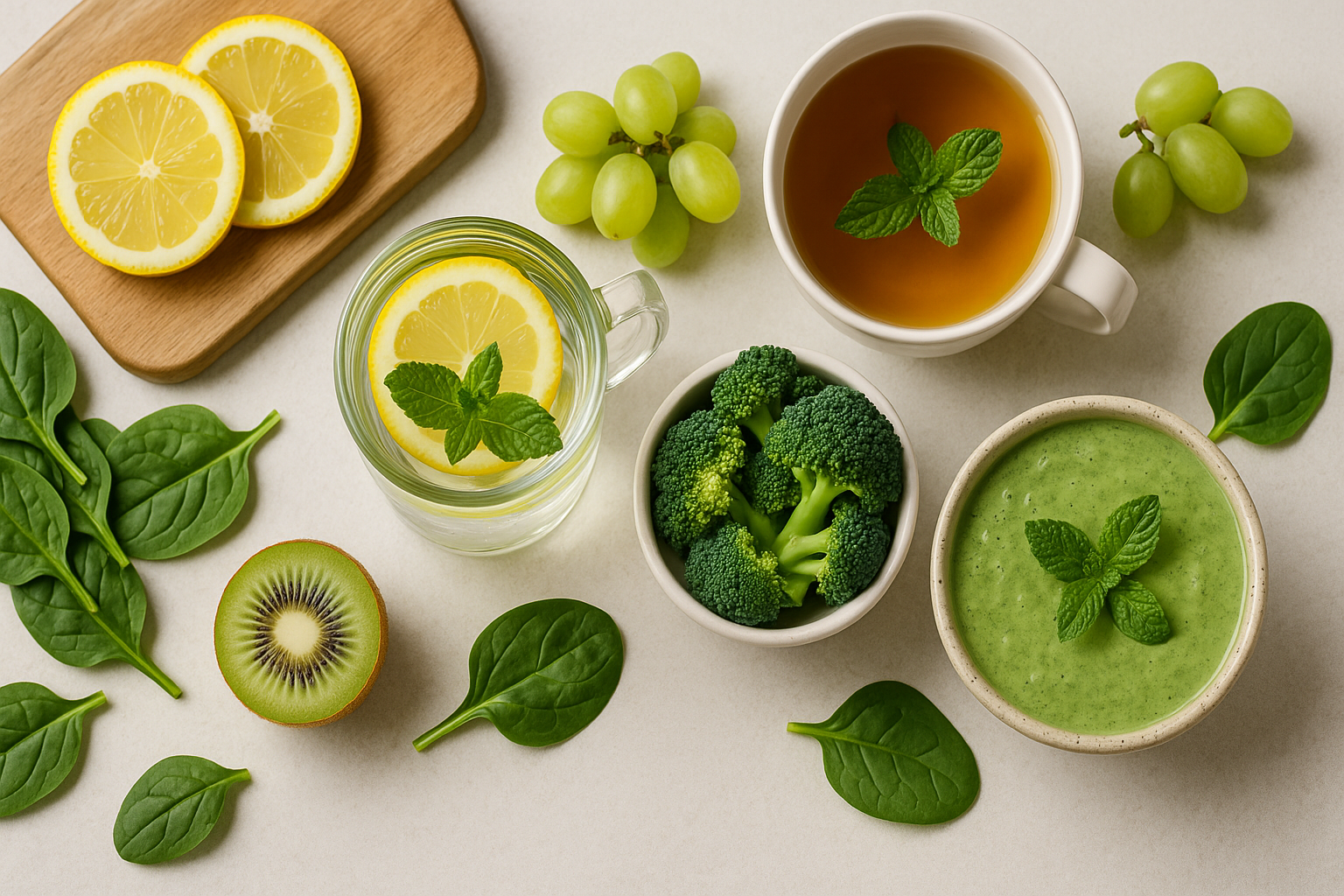
When you hear the word “detox,” you might picture juice cleanses, restrictive fasting, or expensive supplements. But the truth is-your body already knows how to detox. Your liver, kidneys, gut, and skin all work around the clock to remove waste and toxins.That said, what you eat and drink can either support or slow down this natural detox process. Instead of relying on trendy “cleanses,” focusing on nutrient-rich foods and proper hydration can help you feel lighter, reduce bloating, and support long-term health.In this article, we’ll explore the best natural detoxifying foods and drinks-and simple ways to include them in your routine.What Does “Detox” Actually Mean?Detoxification is not a one-time event-it’s an ongoing process your body does every single day. Your liver filters toxins from your blood, your kidneys flush out waste via urine, and your digestive system removes what's not needed.A “detox” in the real sense means supporting these organs through food, hydration, and healthy habits-not replacing them with drastic diets or quick fixes.Top Detoxifying Foods to Add to Your PlateThese whole detox foods offer natural compounds that support your body’s detoxification systems:1. Leafy Greens (Spinach, Kale, Arugula)Leafy greens are packed with chlorophyll, fiber, and antioxidants that help reduce inflammation and support liver function. Tip: Add them to smoothies, salads, or stir-fries daily.2. Cruciferous Vegetables (Broccoli, Cauliflower, Brussels Sprouts)These veggies contain glucosinolates, which help activate the enzymes your liver uses to neutralize toxins. Tip: Steam or roast them and pair with olive oil and lemon.3. GarlicRaw garlic has sulfur compounds that stimulate liver enzymes and boost immune function. Tip: Add minced garlic to dressings, sautés, or mix into hummus.4. BeetsBeets contain betalains, antioxidants that support detox and reduce inflammation. Tip: Roast beets or add to smoothies for a natural detox boost.5. LemonRich in vitamin C and known for stimulating bile production, lemon supports digestion and liver function. Tip: Start your day with warm lemon water.6. AvocadosAvocados provide healthy fats and antioxidants that support the liver and nourish the skin. Tip: Add to toast, salads, or smoothies for a creamy, detox-friendly option.7. Berries (Blueberries, Strawberries, Raspberries)Berries are high in antioxidants that combat oxidative stress and protect cells. Tip: Enjoy a handful with breakfast or as a midday snack.Drinks That Help Detox Your BodyStaying hydrated is one of the most important parts of natural detox. These detox drinks not only hydrate but also provide added benefits:1. Water (with Lemon or Cucumber)Plain water is your best friend for flushing out toxins. Adding lemon or cucumber improves taste and digestion. Tip: Keep a bottle with infused water nearby all day.2. Green TeaGreen tea contains catechins, powerful antioxidants that support liver function and boost metabolism. Tip: Drink between meals or as a light afternoon pick-me-up.3. Dandelion Root TeaUsed traditionally for liver and kidney support, dandelion tea is caffeine-free and hydrating. Tip: Enjoy a cup after meals to help with digestion.4. Apple Cider Vinegar DrinkWhen diluted in water, apple cider vinegar may support blood sugar balance and digestion. Tip: Mix 1 tbsp in a glass of water 30 minutes before meals.5. Bone BrothBone broth is rich in amino acids like glycine that support gut lining and detoxification pathways. Tip: Sip warm broth in the evening or use it as a base for soups.Bonus: Habits That Support Natural DetoxPairing good food with the right habits makes a big difference in how your body performs:Stay hydrated with 6–8 glasses of water daily.Sweat it out through exercise to help eliminate toxins through the skin.Prioritize sleep-your body repairs and detoxes while you rest.Cut back on alcohol and processed foods that burden your liver.Eat more fiber from vegetables, fruits, seeds, and whole grains to support bowel regularity.ConclusionTrue detox doesn’t come from a bottle-it comes from your daily habits. The foods and drinks you choose can give your body the tools it needs to cleanse itself naturally, boost energy, and promote better digestion.Start simple: Add 2–3 of these detox-friendly foods or drinks to your meals this week and stay hydrated. Small changes can lead to long-term results.Looking for a stress-free way to eat clean? Lifter Life’s meal plans are packed with nutrient-rich, whole foods designed to support your metabolism, digestion, and energy-naturally....

chicken calories
Chicken Calories, Protein & Nutrition Facts

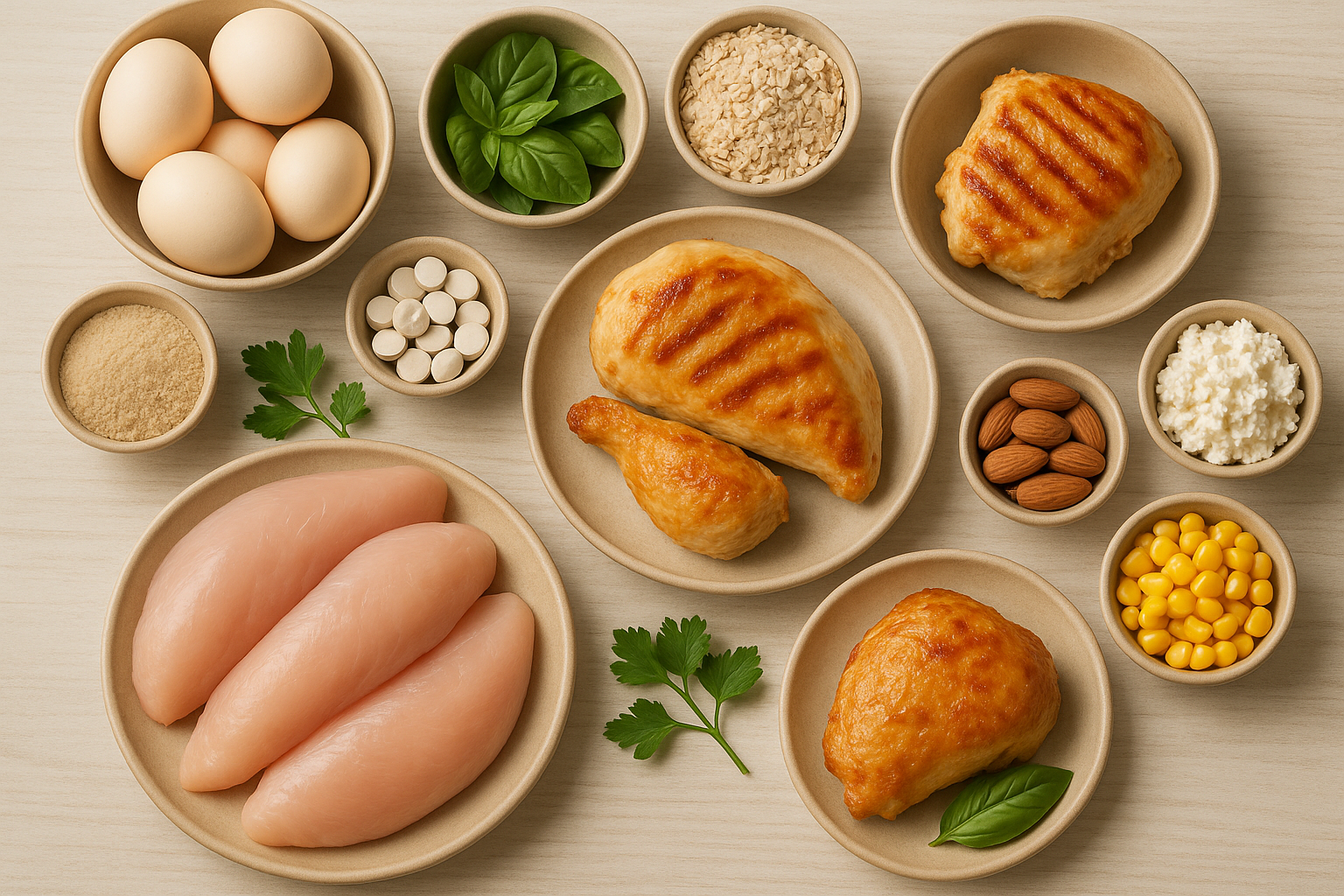
Chicken is one of the most popular protein sources in the world, and one of the most searched foods for calorie and nutrition information. If you're tracking macros, meal prepping, or just trying to eat better, knowing exactly how many chicken calories are on your plate makes every decision easier.In this guide, we'll break down chicken calories by cut, by cooking method, and by common serving sizes, along with the protein, fat, and carb content of each.Basic Chicken Calories and Nutrition (Per 100g)Let's start with skinless, boneless chicken breast, widely considered the leanest cut. Here's the average nutritional breakdown per 100 grams of cooked chicken breast:Calories: ~165Protein: ~31 gramsFat: ~3.5 gramsCarbohydrates: 0 gramsThis high-protein, low-fat profile makes chicken breast one of the top choices for weight loss and muscle growth. Values can vary slightly depending on how the chicken is cooked (grilled, baked, fried, and so on).How Many Calories Are in a Chicken Breast?The most common chicken calories question is how many calories a single breast contains, and the answer depends on size:ServingWeightCaloriesProteinSmall breast fillet85g140 kcal26 gMedium breast fillet120g200 kcal37 gLarge breast fillet170g280 kcal52 gExtra large breast200g330 kcal62 gA typical restaurant-portion chicken breast is 170 to 200g, which gives you roughly 280 to 330 chicken calories and 52 to 62g of protein per serving.Does Chicken Have Carbs?No, plain cooked chicken contains 0g of carbohydrates, regardless of cut. This is true for breast, thigh, drumstick, and wings when cooked with no coating or breading.Carbs enter the picture only when chicken is:Breaded or battered (fried chicken, nuggets, tenders)Coated in sweet sauces (BBQ, teriyaki, sweet chilli)Served with starchy sides (rice, fries, bread)This makes plain chicken an ideal fit for low-carb, keto, and diabetic diets.Chicken Calories by Cut: Breast vs. Thigh vs. Drumstick vs. WingDifferent parts of the chicken offer different nutrition profiles. Here's a quick breakdown comparing popular cuts (cooked, per 100g):CutCalories (per 100g)ProteinFatChicken Breast~165~31g~3.5gChicken Thigh~209~26g~9gChicken Drumstick~172~28g~5gChicken Wing~203~30g~8gChicken breast is the leanest and best suited for those focused on calorie control or high protein intake.Thighs and drumsticks offer more fat and flavor, which can be a plus in moderation.Wings tend to be the highest in fat and calories, especially when fried or breaded.Key Micronutrients in ChickenChicken doesn't just offer protein, it's also rich in essential vitamins and minerals:Vitamin B6 and B12: support energy metabolism and nervous system healthNiacin (Vitamin B3): important for digestion, skin health, and converting food into energySelenium: supports immune function and thyroid healthPhosphorus: essential for strong bones and teethZinc: plays a role in healing, metabolism, and immune functionThese nutrients make chicken a valuable part of a balanced diet, especially when you're focused on overall wellness, not just weight.Is Chicken Good for Weight Loss?Yes. Chicken, particularly the breast, is often recommended in weight loss diets due to its high protein and low fat content. Here's why it's effective:Protein increases satiety, keeping you full longer and reducing snackingLean chicken contains minimal calories per serving, making it easy to stay within daily calorie goalsThe thermic effect of protein means your body burns more calories digesting chicken than it would with fats or carbsThat said, how you cook your chicken matters. Opt for grilled, baked, boiled, or air-fried versions. Fried or breaded chicken adds unnecessary calories and fats that can undermine your progress.Best Ways to Cook Chicken for Maximum Health BenefitsHere are some of the healthiest cooking methods that retain chicken's nutrients without adding excess calories:Grilling: seals in flavor while allowing fat to drip awayBaking: great for batch cooking without added oilBoiling or poaching: ideal for soups or shredded chicken dishesStir-frying in olive oil: allows for quick meals with minimal oilTry to avoid deep frying or cooking chicken in heavy cream-based sauces, as these can significantly increase the fat and chicken calories.Chicken Calories by Cooking MethodHow you cook chicken can change its calorie count by 50% or more. Here's a 100g chicken breast prepared different ways:Cooking methodCaloriesNotesBoiled or poached150 kcalNo added fatGrilled (no oil)165 kcalThe reference numberBaked (no oil)165 kcalSame as grilledAir-fried (no coating)170 kcalMarginal increasePan-fried in 1 tsp olive oil210 kcalAdds ~45 kcal of fatBreaded and fried280 to 320 kcalCoating and oil roughly double caloriesThe single biggest calorie factor after the cut itself is whether chicken is breaded or coated. A grilled breast at 165 kcal becomes ~290 kcal fried, without you eating any more chicken.ConclusionChicken remains one of the most nutrient-dense, versatile, and practical protein choices for any diet. Its low-calorie, high-protein makeup, especially in the breast, makes it ideal for anyone trying to lose weight, maintain muscle mass, or improve overall health.Use skinless cuts, cook with minimal oil, and combine your chicken with fiber-rich vegetables and whole grains for balanced meals. If you're looking for support with meal planning, Lifter Life's meal plans include a variety of delicious, nutritionist-approved chicken recipes that align with your goals, whether it's weight loss, muscle gain, or simply eating better....

how to use chia seeds for weight loss
How Chia Seeds Support Weight Loss: Tips and Benefits

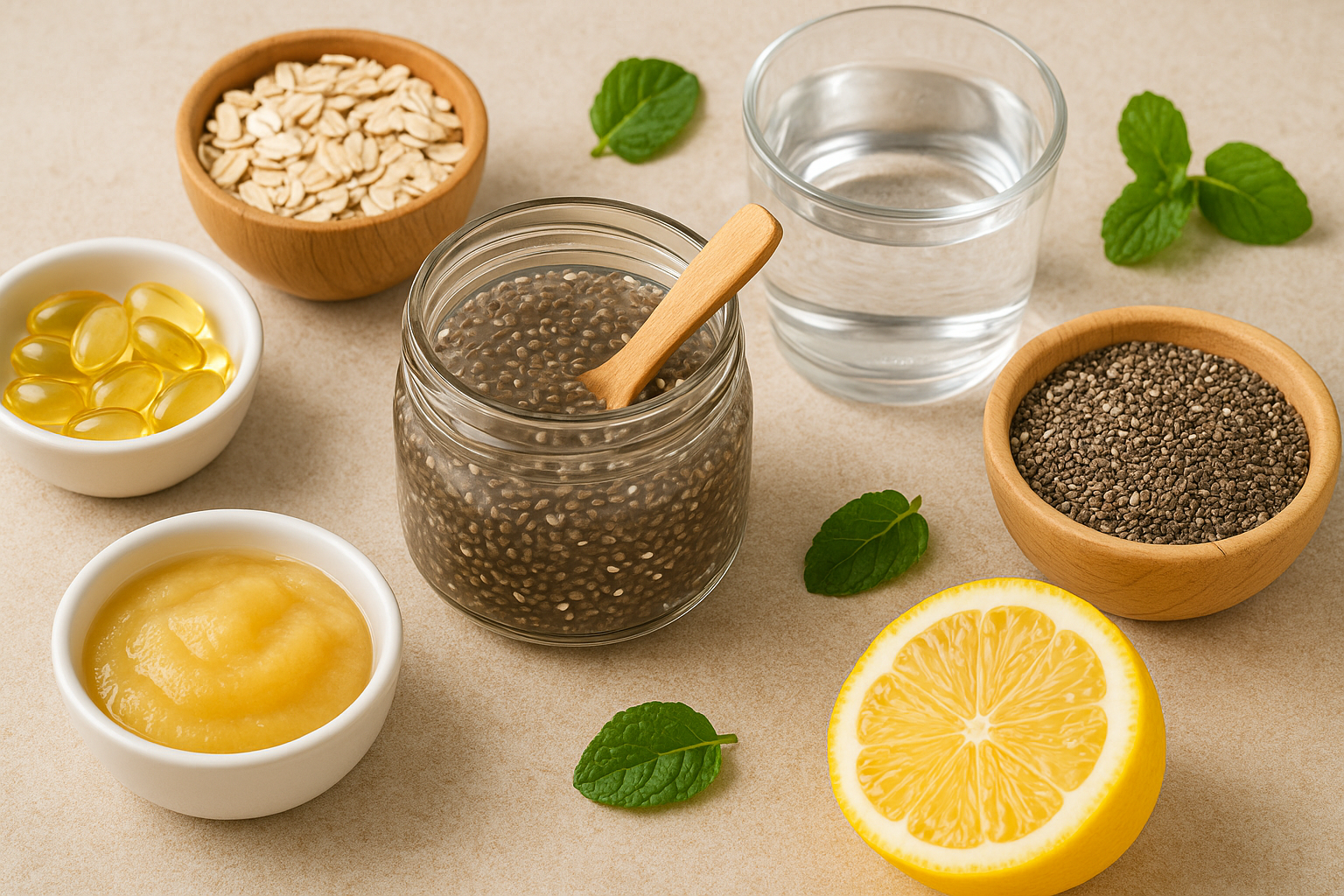
Can tiny chia seeds really help you lose weight? These little seeds have gained massive popularity as a superfood due to their impressive fiber content, healthy fats, and incredible versatility in meals. In this blog, discover the compelling benefits of chia seeds for weight loss, learn how to use chia seeds for weight loss effectively, and find out the best time to drink chia seeds for optimal results.Are Chia Seeds Good for Weight Loss?Yes, when used properly, chia seeds can support weight loss. Thanks to their high fiber, protein, and omega-3 content, chia seeds help you feel full longer, reducing the likelihood of overeating. They're low in carbs and calories, fitting well into most diets aiming for weight loss.Chia Seeds Benefits for Weight LossHigh in Soluble Fiber: When chia seeds absorb water, their soluble fiber expands in the stomach, promoting a feeling of fullness and reducing hunger pangs.Good Source of Plant Protein: Protein boosts metabolism and contributes to satiety, helping you eat less.Regulates Blood Sugar: Stable blood sugar levels avoid energy crashes and control cravings, supporting weight management.Rich in Omega-3 Fatty Acids: These healthy fats may reduce inflammation and assist fat metabolism.Hydrating Effect: By absorbing water, chia seeds improve digestion and maintain fullness.How to Use Chia Seeds for Weight LossAdd chia seeds to smoothies or protein shakes for a fiber and protein boost.Make chia pudding by soaking them in almond milk overnight for a nutritious snack.Sprinkle chia seeds on yogurt, oats, or salads to enrich meals effortlessly.Mix chia seeds with lemon water for a detox-style drink.Ideal portion: 1–2 tablespoons of chia seeds per day.6 Ways to Eat Chia SeedsIncorporating chia seeds into your diet is simple and delicious. Here are some easy and tasty ways to enjoy chia seeds for weight loss:Chia pudding: Mix 3 tablespoons of chia seeds with 1 cup of unsweetened almond or coconut milk. Add a touch of vanilla and a natural sweetener like honey or maple syrup. Let it soak overnight for a creamy, fiber-rich pudding. Top with fresh fruits like berries or banana slices.Add to smoothies: Boost your morning smoothie by blending in 1-2 tablespoons of chia seeds. They add fiber, protein, and healthy fats, making your smoothie more satisfying and keeping hunger at bay.Sprinkle on yogurt or otmeal: Stir a tablespoon of chia seeds into your favorite yogurt or morning oats. The seeds add a nutritious crunch and help prolong fullness.Chia lemon water detox drink: Mix 1 tablespoon of chia seeds into a glass of water with lemon juice. Let it sit for 15 minutes to gel, then drink it in the morning to help curb cravings and boost metabolism.Top your salads: Add a nutrient-packed crunch by sprinkling chia seeds over your salad. They blend well with greens and dressings, enhancing both texture and health benefits.Baking ingredient: Incorporate chia seeds into homemade healthy baking recipes like muffins, pancakes, or energy bars for extra fiber and nutrition.By experimenting with these methods, you can easily enjoy chia seeds daily and unlock their full weight loss benefits.Best Time to Drink Chia Seeds for Weight LossDrinking chia seed water:In the morning: to boost fullness and curb cravings throughout the day.About 30 minutes before meals: to potentially reduce portion sizes.Simple recipe: Mix 1 tablespoon of chia seeds with a glass of water and a squeeze of lemon, let it soak for 15 minutes, then drink.Tips for Getting the Most Out of Chia SeedsSoak chia seeds for at least 10–15 minutes to allow gel formation for maximum satiety.Stay hydrated, as chia seeds absorb water and help maintain digestion.Start with small amounts to minimize bloating or digestive discomfort.Use chia seeds consistently within a balanced diet for best results.Who Should Be Cautious with Chia Seeds?People with digestive troubles, swallowing difficulties, or seed allergies should be cautious. Those with chronic health conditions should consult a doctor before regular consumption.ConclusionChia seeds are a simple, natural, and effective food to support weight loss by promoting fullness and aiding digestion. Experiment with incorporating chia seeds into drinks and meals to stay satisfied longer. For those seeking structured support, Lifter Life’s meal plans include fiber-rich foods like chia to help achieve fat loss and health goals.This approach not only integrates the key benefits of chia for weight loss but also offers practical tips on how to use chia seeds for weight loss, including the best time to consume them for optimal effect. The article balances evidence-backed science with easy-to-follow advice for anyone interested in natural weight management....

metabolism boosting foods
7 Best Foods to Boost Your Metabolism Naturally

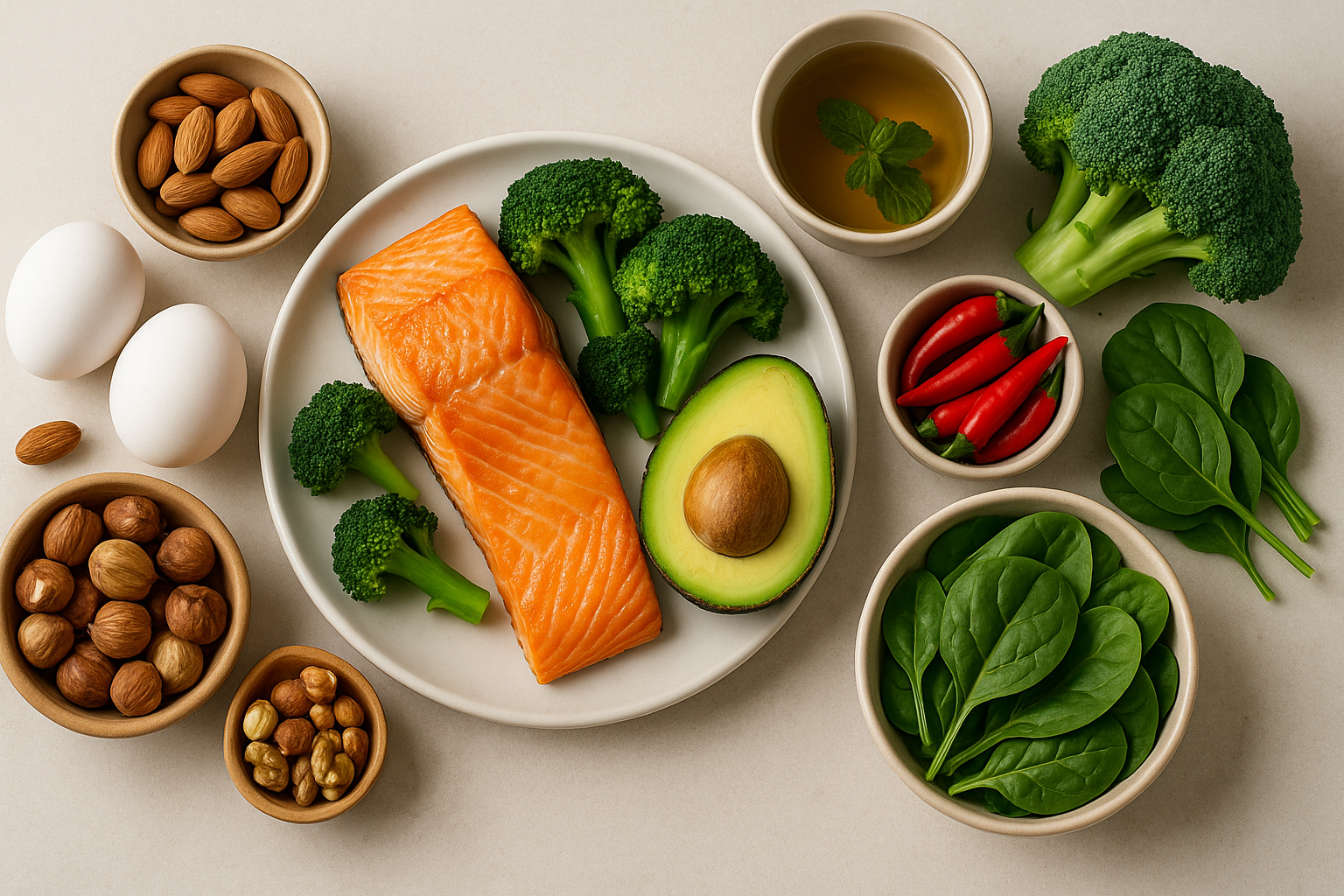
Feeling sluggish? Or maybe you’ve hit a wall with your weight loss progress? You’re not alone. One often-overlooked factor in how we burn calories and feel throughout the day is metabolism.The good news is, you can support your metabolism through smart food choices. Some ingredients naturally help your body burn energy more efficiently - whether by boosting digestion, supporting hormones, or helping you build lean muscle.In this guide, we’ll explore what are some metabolism boosting foods, how they work, and how to add them into your routine-plus a few snacks and drinks that give your system a healthy push.What Is Metabolism-and Why Should You Care?Metabolism is how your body converts what you eat and drink into energy. Even at rest, your body burns calories just to keep you alive-breathing, digesting, and thinking all use energy.A faster metabolism can mean more energy and easier weight management. While your age and genetics affect this process, what you eat plays a surprisingly big role too. That’s where metabolism boosting foods come in.How Food Can Help Boost Your MetabolismSome foods require more energy to digest (this is known as the thermic effect of food). Others support your muscles or hormones - both of which impact how many calories you burn throughout the day.In short: the right foods help your body run efficiently and stay in fat-burning mode. So, if you’ve been wondering what foods are good for boosting metabolism, keep reading.The Best Foods to Naturally Boost Your MetabolismWhen it comes to boosting your metabolism, what you eat can make a surprising difference. While exercise and sleep play a role, the right foods help your body burn energy more efficiently-especially when they’re part of your everyday meals. Some foods increase your calorie burn slightly through digestion, others support muscle growth (which helps you burn more even at rest), and some help regulate hormones tied to fat storage and appetite.The key? Focus on whole foods that are rich in nutrients, high in fiber or protein, and support your body's natural processes. Let’s look at some of the top choices that can support a faster, more efficient metabolism-naturally.1. Protein-Rich FoodsProtein takes more energy to digest than carbs or fats, which gives it a natural metabolism-boosting effect. It also helps build muscle-key for burning more calories throughout the day. Consider adding more high protein meals to your routine to get the most benefit.Try: Eggs, chicken, Greek yogurt, tofu, beans.Looking for snacks to speed up metabolism? Try boiled eggs, edamame, or a small bowl of cottage cheese.2. Chili Peppers (Capsaicin)Spicy foods like chili peppers contain capsaicin, which can raise your body temperature slightly and increase calorie burn for a short time. It’s not a huge effect, but every little bit helps-especially when you enjoy spicy food anyway.Try this: Add a dash of hot sauce to soups or sprinkle chili flakes on roasted veggies.3. Green Tea & Oolong TeaTwo of the best drinks to increase metabolism, these teas are rich in antioxidants and contain just enough caffeine to give your body a gentle metabolic push. Green tea, in particular, is often recommended as a natural metabolism booster drink and is a popular type of herbal tea for weight loss thanks to its thermogenic effects.Try this: Between meals or before workouts. Choose unsweetened versions for the best results.4. CoffeeYes, your morning coffee can help too. The caffeine in coffee stimulates the central nervous system and can slightly increase how many calories you burn. Just skip the sugar-laden creamers if you’re watching your calorie intake.Try this: Enjoy black coffee or add a splash of milk and cinnamon for flavor.5. High-Fiber FoodsWhole grains like oats, brown rice, and quinoa not only keep you full-they also slow down digestion and help stabilize blood sugar. That’s good news for both your metabolism and your appetite.Try this: Have oatmeal with chia seeds and berries for breakfast, or switch to brown rice in stir-fries.6. Iron and Selenium-Rich FoodsYour thyroid gland needs nutrients like iron and selenium to work properly-and your thyroid plays a big role in your metabolism. Foods like spinach, lean meats, seafood, and Brazil nuts are rich in these minerals.Try this: Add spinach to smoothies or have salmon a couple times a week.7. WaterIt sounds simple, but staying hydrated helps everything from digestion to fat metabolism. Even mild dehydration can slow things down. Bonus: drinking cold water may slightly increase calorie burn as your body works to warm it up.Try this: Sip water throughout the day. Start your morning with a glass of cold water or lemon water to kick-start digestion.Simple Tips to Eat More Metabolism-Friendly FoodsStill not sure how to start? Here are a few simple swaps and habits:Replace white rice with quinoa or brown rice.Trade sweetened lattes for green tea or black coffee.Build your meals around protein + fiber + healthy fats.Keep high-protein snacks ready (Greek yogurt, boiled eggs, hummus + veggies).A few small adjustments can lead to long-term improvements in energy, digestion, and metabolism.Foods That Might Slow Your MetabolismWhile some foods support your metabolism, others can do the opposite. It’s best to limit:Sugary drinks (like sodas and sweetened coffee drinks)Highly processed snacks that are low in fiber and proteinUltra-low-protein diets that don’t support muscle massThese choices can make you feel more sluggish and hungrier later-which makes healthy eating harder to stick to.Final ThoughtsThere’s no one food that will instantly supercharge your metabolism. But a daily diet built on foods that increase metabolism can make a big difference in how you feel and how your body performs.Try adding just 2–3 of these best foods for boosting metabolism this week and see what happens. It’s all about consistency - not perfection.Need help staying on track? Lifter Life’s expert-designed healthy meal plans are packed with metabolism-friendly meals and snacks, so you don’t have to guess what to eat next....

The Best Keto Pasta Alternatives for Pasta Lovers

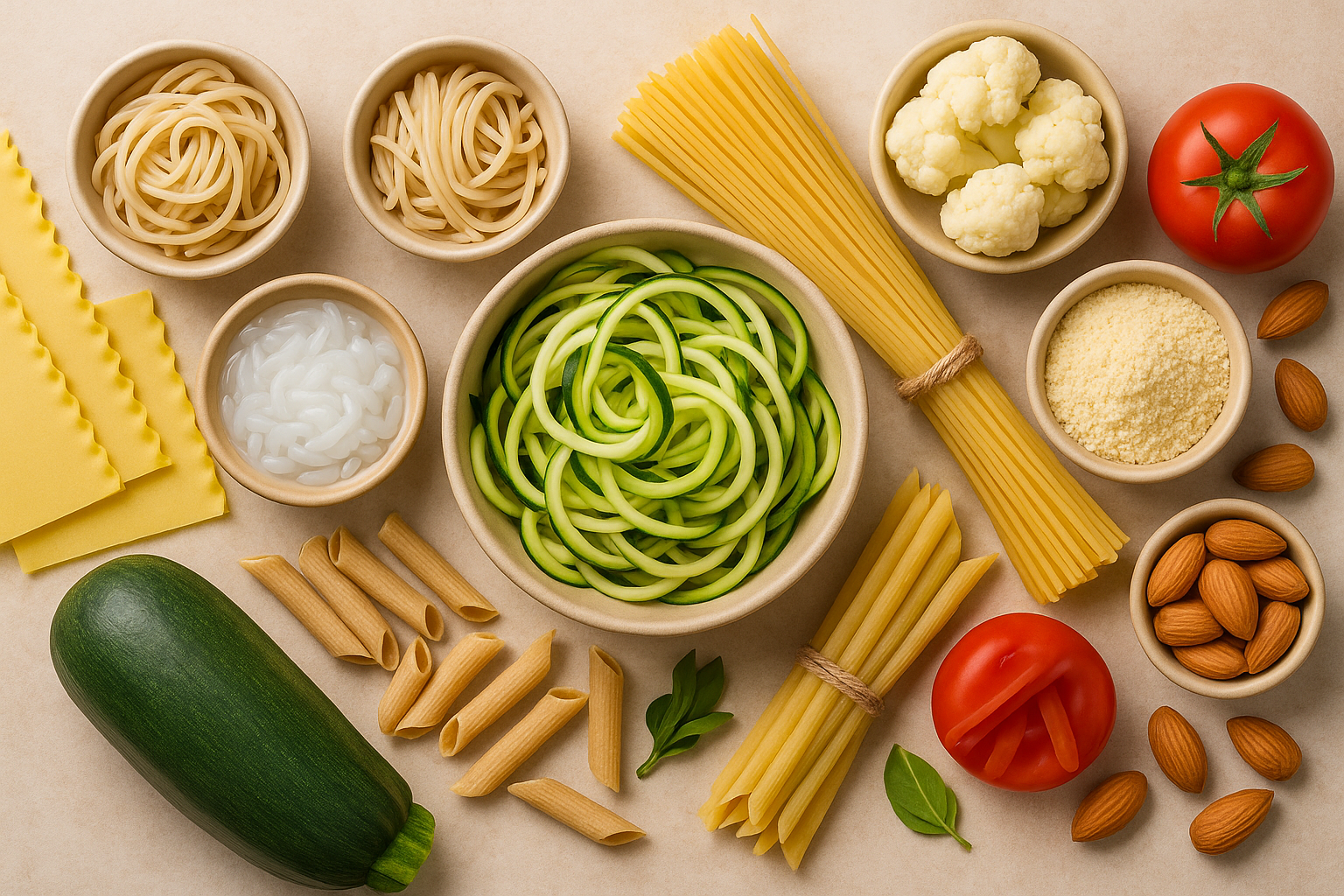
The Best Keto Pasta Alternatives for Pasta LoversIf you’re on the keto diet and miss pasta, you’re definitely not alone. Pasta is one of the hardest foods to give up when transitioning to a low-carb lifestyle—but the good news? You don’t have to. There are now plenty of keto pasta alternatives that satisfy the craving without knocking you out of ketosis.From spiralized veggies to fiber-rich store-bought noodles, this guide will walk you through the best keto-friendly pasta swaps and how to enjoy them in your favorite dishes.Why Traditional Pasta Doesn’t Fit on KetoLet’s get the basics out of the way-traditional pasta is made from wheat flour, which is packed with carbohydrates. Just one cup of cooked spaghetti has around 40g of net carbs. That’s nearly double the upper daily limit for many people on the keto diet, which typically keeps total net carbs between 20–50g per day.That means even a small pasta meal can disrupt ketosis, the fat-burning state that’s the core of keto success.What to Look for in a Keto Pasta SubstituteThe best keto pasta alternatives check a few important boxes:Low in net carbs (ideally under 5g per serving)Made from fiber- or protein-rich ingredientsSatisfying in texture and tasteEasy to find in stores or make at homeWhether you prefer fresh veggie noodles or packaged low-carb options, there’s something here for every pasta lover.Best Keto Pasta Alternatives to TryJust because you’re cutting back on carbs doesn’t mean you have to give up comforting pasta dishes altogether. Thanks to the rise in low-carb eating, there’s now a wide variety of keto-friendly pasta alternatives-from fresh vegetables to innovative store-bought brands-that mimic the texture and satisfaction of traditional pasta.The key to staying on track with your keto diet is knowing which swaps are worth it, both nutritionally and flavor-wise. Whether you’re in the mood for something quick and easy or planning a more indulgent “pasta night,” the options below offer great ways to enjoy your favorite dishes without going over your daily carb limit.Here are some of the best keto pasta substitutes that make sticking to your goals a whole lot easier:1. Zucchini Noodles (Zoodles) Zoodles are spiralized zucchini noodles that are light, fresh, and incredibly low in carbs—usually under 2g net carbs per cup. They’re perfect for quick weeknight meals and work great with keto-friendly sauces like pesto, garlic butter, or marinara. To avoid sogginess, sauté them briefly or eat them raw in cold dishes.2. Shirataki Noodles (Konjac Noodles)Made from konjac root, shirataki noodles contain around 1–2g of net carbs per serving. They’re high in fiber, have almost no calories, and are widely available. Rinse thoroughly and dry-fry in a pan to improve texture and reduce their natural odor. These noodles pair well with stir-fries or creamy sauces.3. Spaghetti SquashWhen roasted, the flesh of spaghetti squash separates into pasta-like strands with a mild flavor. At about 5–7g net carbs per cup, it’s still keto-compatible when portioned right. It’s especially good with cheese-based or hearty meat sauces, making it a popular choice for baked “pasta” dishes.4. Palmini (Hearts of Palm Pasta)Palmini is made from hearts of palm and offers a slightly firmer texture than many veggie-based noodles. With about 2–4g net carbs per serving, it’s a good option for those who want something closer to traditional pasta. Use it in dishes with bold sauces like Bolognese or spicy tomato blends.5. Egg Noodles (Keto Versions)Homemade keto egg noodles can be made using eggs, almond flour, or even cream cheese. These are perfect for fettuccine-style dishes or layered lasagnas. They’re rich in protein and fat, and can be prepped in batches to store in the fridge or freezer.6. Low-Carb Pasta Brands (Store-Bought Options)Several brands now offer low-carb pasta with creative ingredients like lupin flour, hearts of palm, or fiber blends. Popular names include:ImPASTAKaizenWonder NoodlesCheck labels for net carbs (aim for <5g per serving) and prepare according to package instructions. These are great for a convenient pasta night that feels like the real thing.Tips for Making Keto Pasta Dishes More FillingLow-carb noodles tend to be lighter, so you’ll want to round out your plate with extra flavor and satiety:Use high-fat sauces like Alfredo, pesto, or a butter-based garlic sauceAdd protein such as grilled chicken, shrimp, turkey meatballs, or sausageInclude veggies like spinach, mushrooms, or bell peppers for texture and fiberTop with cheese—parmesan, mozzarella, or goat cheese all add flavor and fatsConclusionYou don’t have to give up your pasta cravings just because you’re following a keto diet. With options like zoodles, shirataki noodles, and low-carb store-bought brands, you can enjoy satisfying pasta-style meals while staying within your macro goals.Start by trying one or two keto pasta alternatives this week—you might be surprised how much you enjoy them. And if you’re short on time, Lifter Life’s keto meal plans include low-carb pasta-style dishes that are balanced, delicious, and ready to go....

Vitamins That Support Weight Loss Naturally

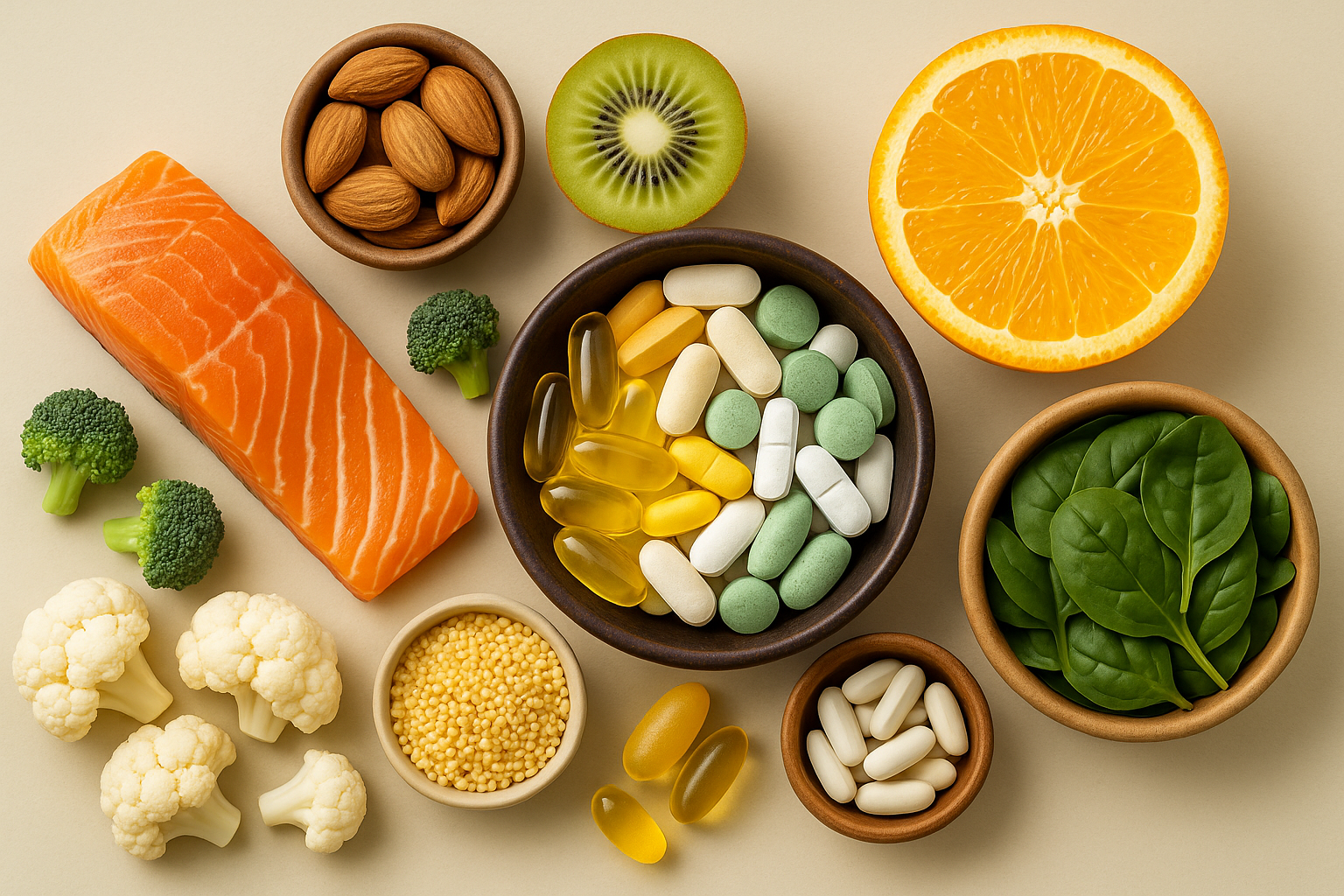
When we talk about weight loss supplements, people often imagine magic pills or fat burners promising overnight results. But there’s a quieter, more powerful group of nutrients that play a key role in long-term, healthy weight loss: vitamins.While vitamins aren’t fat-burning by themselves, they are essential for metabolism, energy production, hormone balance, and appetite regulation. Without them, your body can’t perform efficiently—even if you're eating in a calorie deficit or working out consistently.In this article, we’ll explore the most important vitamins for weight loss, how they work, and how to make them part of your daily routine. We'll also briefly touch on how they compare to traditional weight loss supplements and how to make smart choices for your body and goals.How Vitamins Support Weight Loss (Indirectly)Let’s be clear: vitamins don’t melt fat. But they set the stage for your body to burn fat efficiently by:Converting food into usable energyRegulating hormones that affect hunger and fat storageSupporting thyroid health and metabolismReducing fatigue, brain fog, and cravingsAiding digestion and nutrient absorptionIn other words, if you’re low on key vitamins, your ability to lose weight naturally can be compromised-even if you're eating clean and exercising.The Best Vitamins for Weight LossHere are some of the most important vitamins that support fat metabolism, energy balance, and appetite control:1. Vitamin DOften called the “sunshine vitamin,” vitamin D plays a role in regulating insulin and hunger hormones. Studies show that low levels of vitamin D are more common in people with higher body fat. Supplementing it may improve fat loss and energy.Sources:Sunlight, egg yolks, salmon, sardines, fortified foods.2. B Vitamins (especially B6, B12, and Folate)The B vitamin group helps convert the food you eat into energy. They also support the nervous system and can help reduce stress-related cravings. B12 is especially important for people following plant-based diets.Sources:Eggs, poultry, legumes, whole grains, leafy greens.3. Vitamin CVitamin C is well known for immune health, but it also supports the oxidation of fat during exercise and reduces inflammation that can interfere with fat loss.Sources:Citrus fruits, strawberries, bell peppers, broccoli.4. Vitamin AThis fat-soluble vitamin supports thyroid health and helps regulate hormones involved in metabolism. It's also an antioxidant that supports immune function.Sources:Sweet potatoes, carrots, spinach, liver.5. Vitamin EVitamin E is an antioxidant that helps reduce oxidative stress, which may support more efficient fat burning. It’s also involved in muscle recovery post-exercise.Sources:Almonds, sunflower seeds, avocados, olive oil.6. Vitamin KOften overlooked, vitamin K supports glucose metabolism and insulin sensitivity, both of which affect how your body stores and burns fat.Sources:Kale, spinach, fermented foods, broccoli.Are Vitamin Supplements Better Than Other Weight Loss Supplements?Here’s the truth: the best supplements for weight loss won’t do much if you’re deficient in basic nutrients.Many people rush to buy fat burners or appetite suppressants without first ensuring they’re getting enough of the essential vitamins that actually help the body work properly. Before investing in weight loss supplements, check whether you’re meeting your nutritional needs.Vitamins may not have the marketing buzz of fat burners, but they often have more long-term impact when combined with whole foods, exercise, and sleep.Do You Need to Supplement?Ideally, you’d get all your nutrients from food—but not everyone does. You may benefit from a vitamin supplement if you:Eat fewer than 1,500 calories a dayFollow a restrictive diet (like vegan or keto)Struggle with digestive issues or absorption problemsHave been told you’re deficient after a blood testAlways consult with a registered dietitian or healthcare provider before starting a new supplement routine.Other Helpful Nutrients (Beyond Vitamins)Some best weight loss supplements also include essential minerals that complement vitamin function:Magnesium: Supports energy production and reduces bloatingZinc: Plays a role in hunger hormone balanceIron: Prevents fatigue from low oxygen deliveryChromium: May help stabilize blood sugar and reduce cravingsThese can be helpful in small amounts, but again-quality and balance matter more than any single nutrient.Final Thoughts: The Smart Way to Support Weight Loss with VitaminsTo sum up: vitamins won’t burn fat for you, but they are foundational for a healthy metabolism, stable energy, hormone balance, and digestion-all of which are essential for fat loss.If you’re feeling stuck despite eating well and exercising, it might be worth checking whether you’re meeting your micronutrient needs.Start by focusing on food first-colorful vegetables, leafy greens, healthy fats, lean proteins, and whole grains. And if needed, a high-quality multivitamin can fill in the gaps.Want meals that support your weight loss goals and take the guesswork out of nutrition? Lifter Life’s meal plans are rich in nutrients like these-delicious, portion-controlled, and easy to follow....

Easy Flexitarian Meals to Balance Your Plate

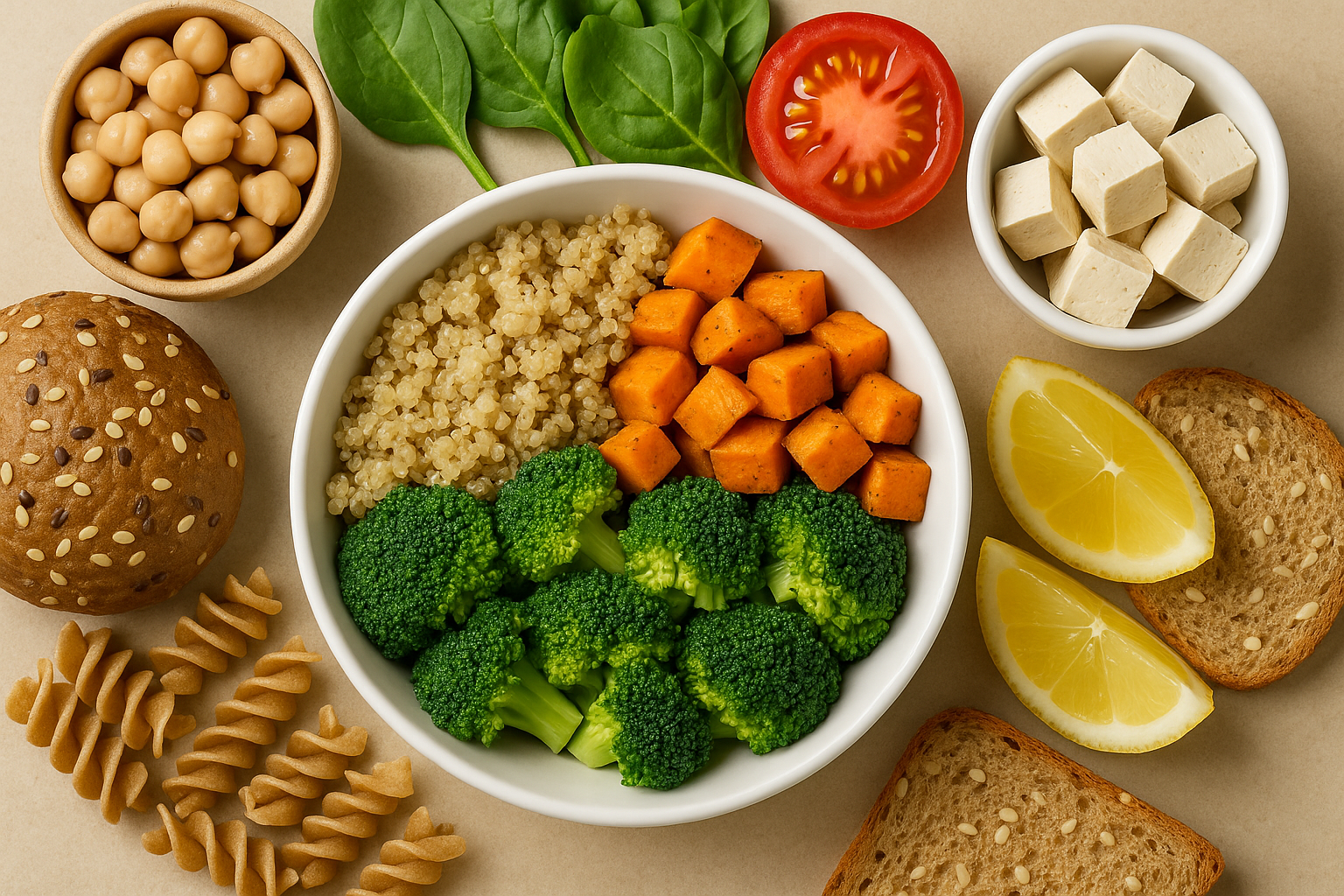
In a world where extremes dominate diet culture, the flexitarian diet offers something refreshingly balanced. Instead of going fully vegetarian or sticking to a strict meat-based routine, this flexible way of eating encourages mostly plant-based meals, without cutting out meat entirely. It’s perfect for those who want to improve their health, eat more sustainably, or simply explore more variety in the kitchen.This article will walk you through easy flexitarian recipes that blend flavor, nutrition, and versatility. Whether you're just starting out or want fresh meal inspiration, these ideas are beginner-friendly and nutrient-rich.What Is a Flexitarian Diet?A flexitarian diet combines the words “flexible” and “vegetarian.” It encourages eating more plants while still allowing occasional meat, poultry, or fish. Unlike vegetarian or vegan diets, there are no hard rules, just a preference for plant-based meals most of the time.Many people choose the flexitarian approach because it offers:Nutrient diversity from both plant and animal sourcesSustainability thanks to lower environmental impactFlexibility, making it easier to stick to long-termIt's a sustainable way to reduce meat intake without feeling restricted.Why Balanced Plates Matter in a Flexitarian LifestyleThe key to successful flexitarian meals is balance. A well-composed plate typically includes:Plant-based proteins like chickpeas, lentils, tofu, or edamameWhole grains such as quinoa, brown rice, or barleyHealthy fats like olive oil, nuts, or avocadoPlenty of vegetables for fiber and nutrientsOptional lean animal protein (fish, chicken, eggs) for flexibilityBalanced meals help regulate blood sugar, boost energy, and support weight management, without the crash-and-burn of unbalanced eating.Easy Flexitarian Meals to TryHere are some of the best flexitarian recipes you can cook up with minimal fuss and maximum taste.Chickpea Stir-Fry with Brown RiceSauté your favorite vegetables with chickpeas in a ginger-soy sauce for a fast, satisfying bowl. Want to boost the protein even more? Add grilled tofu or sliced chicken.Lentil and Veggie TacosSwap out ground meat for spiced lentils. Top with shredded lettuce, avocado, and optional grilled fish or cheese for a fun, fiber-filled taco night.Mediterranean Quinoa BowlCombine cooked quinoa with cherry tomatoes, cucumbers, olives, and a dollop of hummus. For a boost of protein, add grilled halloumi or a hard-boiled egg.Sweet Potato and Black Bean ChiliThis hearty dish is naturally plant-based and packed with flavor. If you want a heartier version, toss in lean ground turkey or top with a spoonful of Greek yogurt.Zucchini Noodles with Pesto and EdamameA low-carb favorite, zoodles pair well with pesto and edamame for protein. Add grilled shrimp or sliced chicken for a filling dinner.Tofu and Veggie Sheet Pan BakeToss tofu, broccoli, bell peppers, and red onions with olive oil and roast until crisp. You can swap tofu with salmon if you're looking for those omega-3s.Tips to Build Your Own Flexitarian MealsUse the “½ plate veggies, ¼ protein, ¼ carbs” guidelineKeep both plant-based and lean meats in your fridgeBatch cook grains like quinoa and lentils at the start of the weekDon’t forget herbs and spices as they elevate any dish without adding caloriesConclusionThe flexitarian diet is a balanced and approachable way to improve your health without going to extremes. It helps you eat more plants, reduce your reliance on meat, and explore creative recipes that nourish your body and support your goals.Whether you’re exploring flexitarian diet recipes for the first time or just need inspiration for easy flexitarian recipes, the meals above are a great place to start. Try one this week—and discover how satisfying plant-forward eating can really be.Looking for guidance that matches your lifestyle? Explore how Lifter Life's healthy meal plans can help support your flexitarian journey with pre-planned, balanced options that make eating well easier than ever....

Is Popcorn Keto
Is Popcorn Keto? Everything You Need to Know

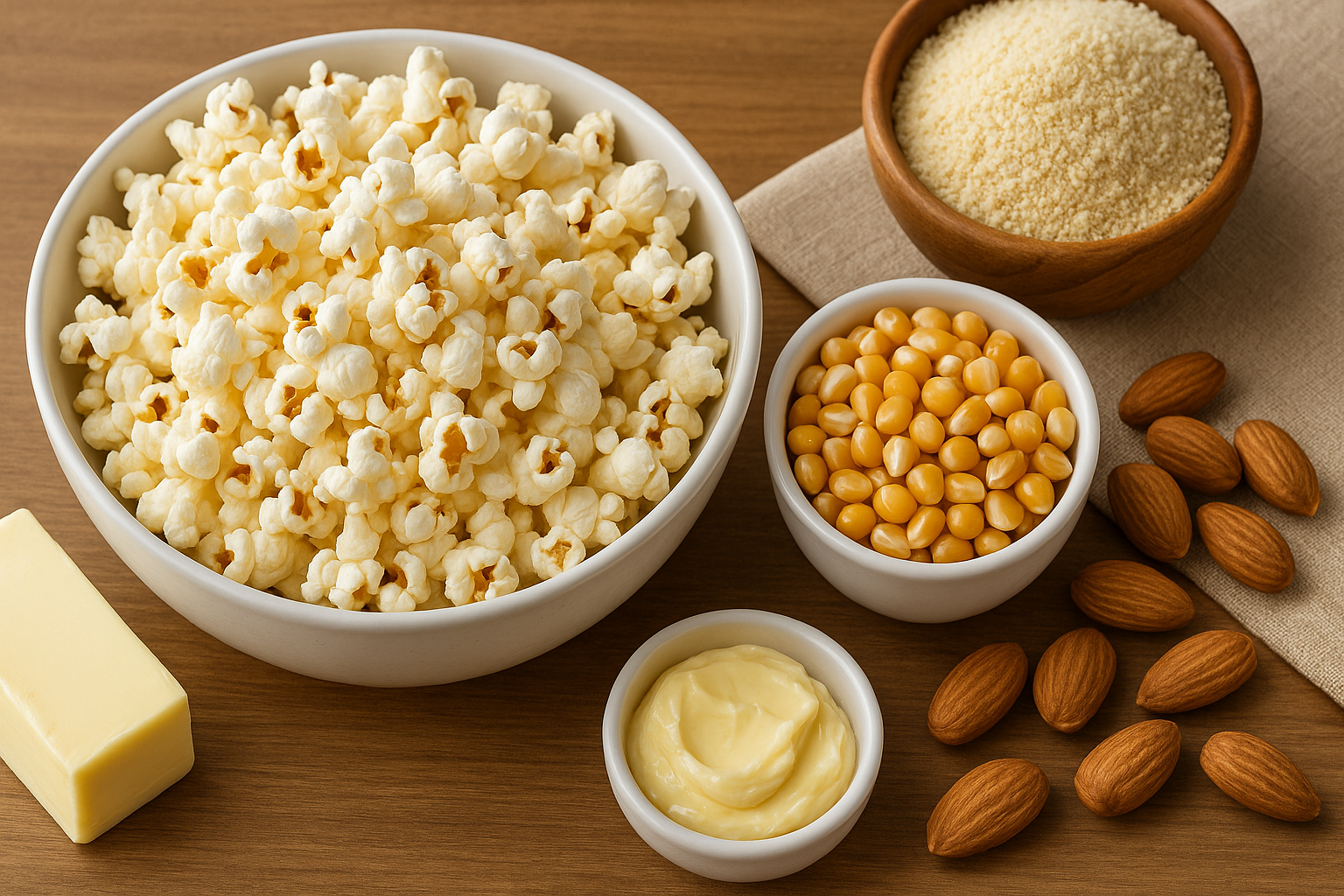
Popcorn is one of those snacks that feels healthy - light, crunchy, and satisfying. But if you're following a low-carb lifestyle, you might be asking: is popcorn keto? The answer depends on how much you eat, how it’s prepared, and what your daily carb allowance looks like.This guide covers everything from the carb content of popcorn to the best ways to enjoy it on a ketogenic diet, plus smarter alternatives to keep you on track.What Is the Keto Diet, Briefly?The ketogenic diet is a high-fat, low-carb, moderate-protein way of eating that helps the body enter ketosis—a metabolic state where fat becomes the primary fuel source. To stay in ketosis, most people need to consume no more than 20–50 grams of net carbs per day.That means even small carb sources like popcorn need to be accounted for carefully.How Many Carbs Are in Popcorn?A serving of plain air-popped popcorn contains roughly 5 grams of net carbs per cup. This makes it relatively low-carb when compared to typical snack foods. But serving size is everything.Here's how it breaks down:1 cup air-popped popcorn = ~5g net carbs3 cups = ~15g net carbsMovie theater-style popcorn = 40g+ net carbs (often loaded with oil and artificial flavorings)Microwave popcorn = varies, but usually 10–20g per serving depending on added ingredientsSo, is microwave popcorn keto friendly? That depends entirely on the brand. Most flavored or buttered varieties contain added sugars, processed oils, or hidden carbs, which makes them less keto-compliant.Can You Eat Popcorn on a Keto Diet?Yes, you can eat popcorn on a keto diet in moderation. If you’re careful with portions and stick to plain air-popped varieties, popcorn can fit into your daily carb allowance.Most people on keto can enjoy:1–2 cups of air-popped popcorn as a snackPaired with healthy fats or protein to boost satietyAvoiding sugar-coated or heavily buttered varietiesSo, if you’ve been wondering “is popcorn allowed on keto,” the answer is yes—as long as it’s portion-controlled and fits within your macros.Best Ways to Eat Popcorn on KetoTo keep your snack keto-friendly, try these simple tips:Use plain air-popped popcorn with no added ingredientsAdd a drizzle of healthy fat, like grass-fed butter or olive oilSeason with keto-friendly toppings like sea salt, garlic powder, nutritional yeast, or chili flakesPre-portion your servings to avoid accidental overeatingPopcorn can be a great “treat” snack that satisfies cravings—especially if you’re following a structured keto meal plan and have a little room in your daily carbs.Low-Carb Alternatives to PopcornIf popcorn feels too easy to overeat, there are plenty of keto alternatives that give you the crunch without the carbs. These include:Pork rinds – High in fat and protein, zero carbsCheese crisps – Crunchy and low-carb, made from real cheeseRoasted seaweed snacks – Light and savoryCucumber or zucchini chips – Thinly sliced, roasted, and seasonedKale chips – Great for fiber and crunchThese swaps are perfect if you’re focused on staying in ketosis while still enjoying snack time. They’re also frequently included in low-carb and healthy meal plans in Dubai that prioritise keto-friendly options.Is Popcorn Good for Weight Loss on Keto?Popcorn can be a better option than carb-heavy chips or crackers, especially if you’re watching your calorie intake. It’s:Lower in calories per cupProvides some fiber for fullnessEasy to customize with healthy toppingsHowever, it’s also easy to overeat, especially when snacking mindlessly. If you want to use it as part of a weight loss plan, make sure to:Keep your serving small (1–2 cups)Avoid sugar, caramel, or flavored versionsCombine with a source of protein or healthy fat for better satietyFinal Verdict: Is Popcorn Keto?So, is popcorn keto friendly? It can be. Popcorn isn't inherently off-limits on a keto diet—it just depends on your portion size, the type of popcorn, and your overall carb intake for the day.Stick to:Air-popped popcorn1–2 cup servingsKeto-friendly toppingsAvoid:Microwave popcorn with added sugar and oilsLarge portions that take you over your carb limitSweetened or caramel popcornIn short, popcorn is a snack you can enjoy occasionally as part of a balanced, low-carb lifestyle.ConclusionThe bottom line? You don’t have to give up popcorn entirely on keto. Just treat it like any other carb-containing food: with intention and balance. If you're managing your macros and tracking your intake, popcorn can fit in once in a while without throwing off your progress.Want more keto-friendly snack ideas and structure? Explore Lifter Life’s keto meal plan, designed for people who want delicious, low-carb meals without the guesswork....

Get Lifted, Today!

Sign-up for our updates and exclusive offers!

Whatsapp