Lifter Life Blog

Dive into our blog for a treasure trove of culinary inspiration! Uncover the secrets of wholesome meal plans, tantalizing recipes, and expert tips that make healthy eating a joyous experience.

Top Iodine-Rich Foods and Why Your Body Needs Them

Iodine may not be the trendiest nutrient, but it’s one of the most important—and surprisingly easy to miss in a modern diet. This trace mineral is essential for thyroid function, which plays a critical role in metabolism, energy, and overall hormonal balance. Yet many people don’t realise they’re not getting enough, especially those on vegan, vegetarian, or low-sodium diets.In this guide, we’ll break down what iodine is, why your body needs it, the top iodine-rich foods to include in your meals, and how to make sure you’re meeting your daily needs—no matter your lifestyle or dietary restrictions.What Is Iodine?Iodine is a trace mineral that your body needs but cannot produce on its own. It plays a critical role in making thyroid hormones, which control important functions like metabolism, energy levels, and body temperature. These hormones also support growth, brain development, and overall hormonal balance.Because your body doesn't store large amounts of iodine, it’s important to get it regularly from your diet-especially through iodine-rich foods like seaweed, dairy, seafood, and iodised salt.Why Iodine Matters for Your HealthThe iodine benefits go far beyond just supporting thyroid function. Proper iodine intake helps:Maintain hormonal balanceRegulate metabolism and energy levelsSupport healthy brain functionPrevent thyroid-related conditions like goiter and hypothyroidismWhen iodine levels are too low, the thyroid struggles to make enough hormones, leading to symptoms such as fatigue, weight gain, dry skin, and mental fog. Left untreated, chronic iodine deficiency can cause the thyroid gland to enlarge (goiter) and contribute to long-term hormonal imbalances.How Much Iodine Do You Need?The recommended daily intake (RDA) of iodine depends on age and life stage:Adults: 150 micrograms (mcg)Pregnant women: 220 mcgBreastfeeding women: 290 mcgChildren (1–8 years): 90 mcgChildren (9–13 years): 120 mcgWhile getting enough iodine is crucial, too much iodine can also disrupt thyroid function. That’s why it’s best to stick close to the recommended amount unless directed otherwise by a healthcare provider.Top Foods High in IodineFood is the best natural source of iodine—and thankfully, there are plenty of delicious options. Below are the top iodine-rich foods to add to your diet.1. SeaweedSeaweed is the most concentrated natural source of iodine on the planet. Just one sheet of nori or a spoonful of kelp can provide more than your entire daily requirement.Popular iodine-rich seaweeds include:Kelp – extremely high in iodine (use in moderation)Wakame – milder flavor, great in soupsNori – often used in sushi and snacksIodine content can vary widely depending on the type and source, so it’s smart to consume seaweed in small amounts regularly rather than in large quantities occasionally.2. Iodised SaltOne of the simplest ways to boost iodine intake is through iodised table salt, which is fortified with iodine to prevent deficiency.Keep in mind:Regular iodised salt contains about 75 mcg of iodine per 1/4 teaspoonSpecialty salts like sea salt or Himalayan salt may not be iodised unless labeled as suchIf you follow a low-sodium diet, be mindful that you may not be getting iodine from salt and should consider alternative sources.3. Dairy ProductsMilk, cheese, and yogurt are excellent and reliable sources of iodine. The iodine comes from both the cow’s diet and sanitising agents used in dairy processing, which end up in trace amounts in the final products.Common options include:Milk (1 cup): ~60–100 mcgYogurt (1 cup): ~75 mcgCheddar cheese (1 oz): ~15 mcgIncluding dairy in your routine is one of the easiest ways to meet your daily iodine needs, as it’s widely available and fits easily into everyday meals.4. Fish and ShellfishMany types of seafood are rich in iodine, especially white fish and shellfish. These not only offer iodine but are also excellent sources of lean protein and omega-3 fatty acids.Top seafood choices include:Cod – high in iodine and low in fatTuna – convenient and protein-packedShrimp – another great iodine-rich optionSardines – also offer calcium and healthy fatsEating seafood 2–3 times a week is a smart strategy for maintaining both iodine levels and heart health.5. EggsEggs are a versatile, affordable source of iodine-most of which is in the yolk. One large egg contains roughly 25 mcg of iodine, making it a great option for vegetarians or anyone cutting back on meat and seafood.They’re also rich in protein, B vitamins, and other key nutrients, which makes them a staple in many balanced diets.6. Fortified Foods and SupplementsIf you’re following a vegan, vegetarian, or dairy-free lifestyle, it can be harder to meet your iodine needs through diet alone. In this case, look for fortified products such as:Plant-based milks labeled with iodine (check almond, soy, or oat varieties)Multivitamins that include iodineIodine supplements (only if recommended by your doctor)Always read the labels, as not all non-dairy products or supplements are fortified with iodine.Iodine for Special Diets (Vegan, Vegetarian, Low-Sodium)People on plant-based or low-sodium diets often struggle to get enough iodine, since they may avoid seafood, dairy, and iodised salt.Here are ways to ensure adequate intake:Vegans and vegetarians: Eat small amounts of seaweed regularly, use iodine-fortified plant milks, or take a supplement if neededLow-sodium diets: Choose iodine-rich whole foods like eggs, seafood (if allowed), and fortified options instead of relying on iodised saltUse supplements cautiously: Too much iodine can be harmful, so consult your healthcare provider before startingIf you're following a structured eating plan, it's important to make sure iodine is included as part of your overall nutrition strategy. For example, our muscle growth plan ensures adequate iodine from dairy and seafood while delivering high protein for muscle repair.Signs of Iodine DeficiencyIodine deficiency can be subtle at first but may lead to noticeable health issues if left unchecked. Watch for:Fatigue and low energyHair thinning or dry skinUnexpected weight gainFeeling cold more oftenSwelling in the neck (possible goiter)If you notice any of these symptoms and suspect a deficiency, it’s best to speak with a healthcare professional. A simple test can confirm your iodine levels, and your doctor can help guide your diet or you may opt to start a flexible plan like our diabetic meal plan to gradually incorporate iodine-rich foods.ConclusionIodine may be needed in small amounts, but its impact on your health is huge. From supporting metabolism and thyroid function to helping with energy, growth, and hormonal balance, getting enough iodine should be a priority in your daily nutrition.The good news? It’s easy to enjoy the iodine benefits by including more iodine rich foods like seaweed, dairy, eggs, and seafood in your daily meals. And if your diet is more restricted, fortified foods and supplements can help fill the gap. By being proactive and informed, you can avoid deficiency and keep your thyroid—and the rest of your body—functioning at its best.Whether you're cooking at home or following a clean, balanced meal routine through trusted services like Lifter Life, including iodine-rich foods can make a powerful difference in how you feel....

Filling Salads
Delicious Filling Salads You Should Try

When we hear the word "salad," the first associations that come to mind are of healthy and delicious foods that may be implemented in your diet. It doesn't take long to cook salad, and all the ingredients in this meal are properly balanced and create a nice flavor. Sometimes, salad can be the main dish on the table, but sometimes people cook it as the main and only dish. For example, a warm salad with pasta, tuna, and light Italian dressing is perfect for dinner. Chicken salad may be the #1 option for those who want to stay in shape and have a balanced meal.There are also high-calorie salads with mayo, ham, fatty cheese, and other high-volume ingredients. We may see them on the table during holidays. Still, it may not be the best choice for weight maintenance. Once you create a weight maintenance plan for yourself, it's better to get low-calorie recipes with light dressing and lots of vegetables. If you want to find out more about salad recipes, keep up with this article. We will show you what high-quality meals look like.Green Salads—Great Side DishesIf we consider salad a side meal, it's good to make it light and full of vitamins. Green salads, especially ones with avocados and cucumbers, will give you lots of fiber and healthy elements. For example, avocado is a source of vitamins E, C, and K, as well as B6. Avocados combined with olive oil, lettuce, and fetta cheese make a nice salad. You can serve it with chicken and rice, pasta and meat sauce, or other dishes that should be balanced with green vegetables. What makes a nice green salad? Here are key points to consider:Make sure the vegetables are fresh and well-washed.Use low-calorie dressing to balance the flavor and make all the ingredients taste good.Add salt to boost the flavor even more.Warm Salads: Meals that Make the DifferenceAs we said at the beginning, warm salads differ from other meals in this category, as they can replace a whole meal and taste good after being in the fridge for 1-2 days. Pasta salad with canned fish, Salads with chicken or red meat, salmon salad, red onions, green vegetables, and red bell pepper. The idea behind cooking warm salads is to combine high-volume ingredients (meat and fish) with vegetables, balancing it with dressing to make delicious, healthy dishes. Of course, if you take mayo as a dressing and add too much of it, it won't be a good idea. However, if you use low-calorie dressing or make it yourself, it will be better.Let's take classic chicken salad as an example. Everyone has different preferences about how to make this dish, especially the ways to cook chicken. Some prefer grilled chicken; others want it to be boiled, so it's soft and smooth. Another questionable point is about the sauce. Since it's mayonnaise, some prefer to make it themselves; others will get a low-calorie version in the grocery store. There's also Dijon mustard on the list of ingredients, as it balances the whole meal and makes the flavor even better. What about other ingredients? There are plenty of options to use people add:CeleryRed onionAlmondsGrapesOptionally, people add cooked pasta to the salad to create balance with the meat and make it a larger meal. Still, if you do so, you have to add more sauce to the whole meal. Such a salad can be a perfect post-workout meal. Just make sure you have enough grams of protein from the chicken, and you've got fresh vegetables to balance the meat taste.Taco Salad: Something Unusual on Your TableHave you eaten tacos before? Do you remember how tasty it is? Now imagine having a salad with the same ingredients. This version of taco has chips instead of lettuce and brings a better taste, as juicy vegetables are combined with properly cooked ground beef, and creamy sauce boosts the taste even more. The original salsa sauce adds a bit of spiciness, but you can boost the meal by adding garlic dressing made of sour cream, mayonnaise, onion powder, and some oil for texture. Sour cream can be replaced with Greek yoghurt, but it won't make a big difference. Make sure the veggies are fresh to get a better taste, so you will feel the flavor for 100%.What Makes a Great Salad?There is no single salad recipe that could be claimed to be perfect. Usually, everyone has their own preferences based on the season, time of the day, purpose, etc. Still, if you want to have a balanced salad for your meal, you should consider the following points:Add vegetables for fiber and minerals. Choose a low-calorie dressing. It won't make the meal heavy or level the taste of vegetables.Measure your ingredients, so you'll have a balanced meal.If you want to have a variety of salads on your menu but don't have the opportunity to cook them yourself, consider ordering them. We offer a wide range of salads with different tastes and hundreds of ingredients. Fresh salads with tomatoes, spinach, and feta, or warm salads with salmon and avocado, pasta and chicken, and other combos that deliver a great taste. Want a Greek salad? You can have it! Just make an order, and our chefs will cook it, and couriers will deliver it right on time.FAQWhat are the 5 major types of salads?Green salads, warm salads, vegetable salads, mixed salads with warm and cool ingredients, and fruit salads are considered as the 5 main types of salads.What salad can be considered unhealthy?Caesar salad may be considered unhealthy because of its high-calorie dressing made of mayonnaise, cheese, salt, and oil.What ingredients should be in salads during the weight loss diet?If you cook salads during weight loss, avoid high-calorie ingredients like crackers or chips. Also, stay away from heavy sauces and dressings....

What to Drink Before Bed for Weight Loss?

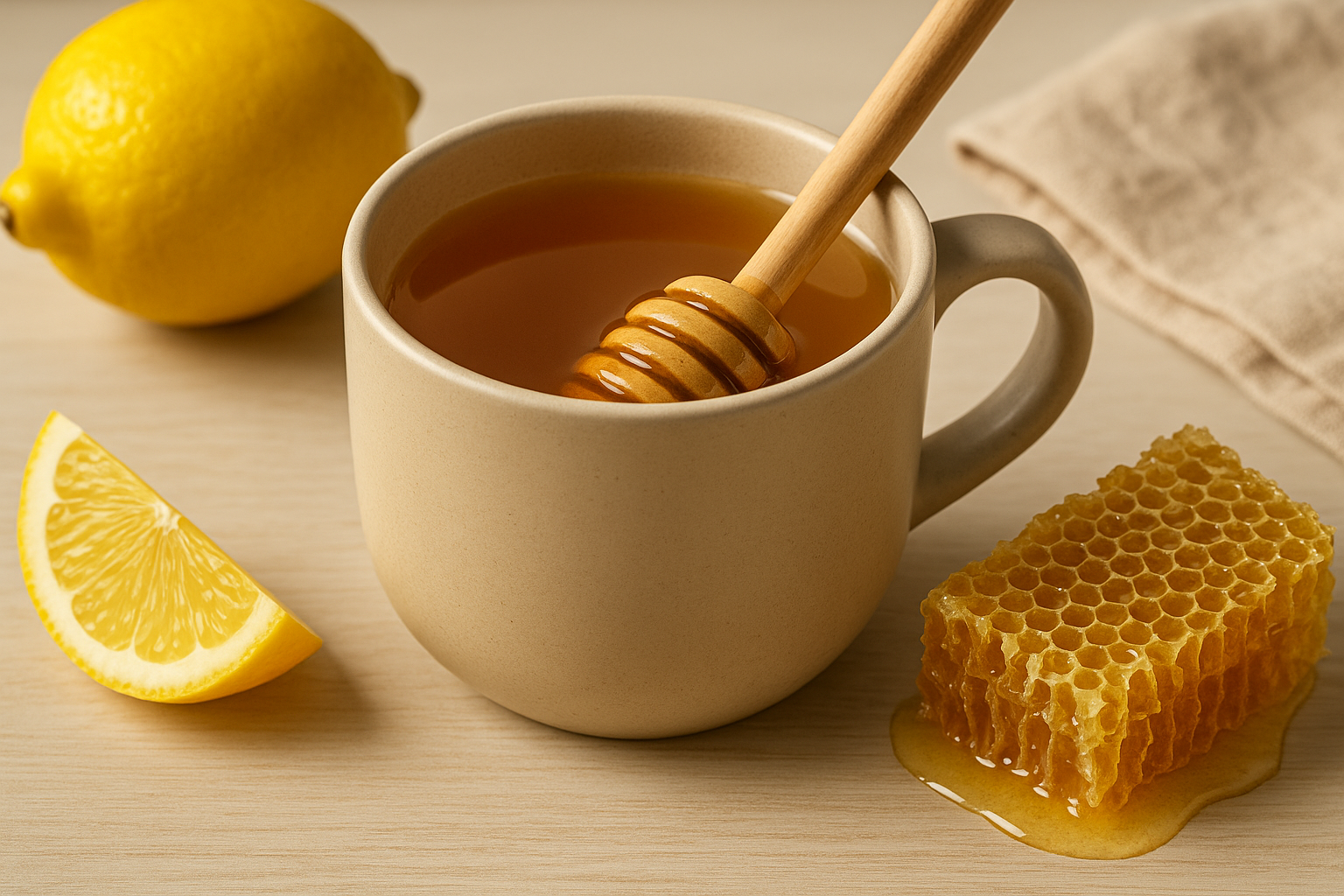
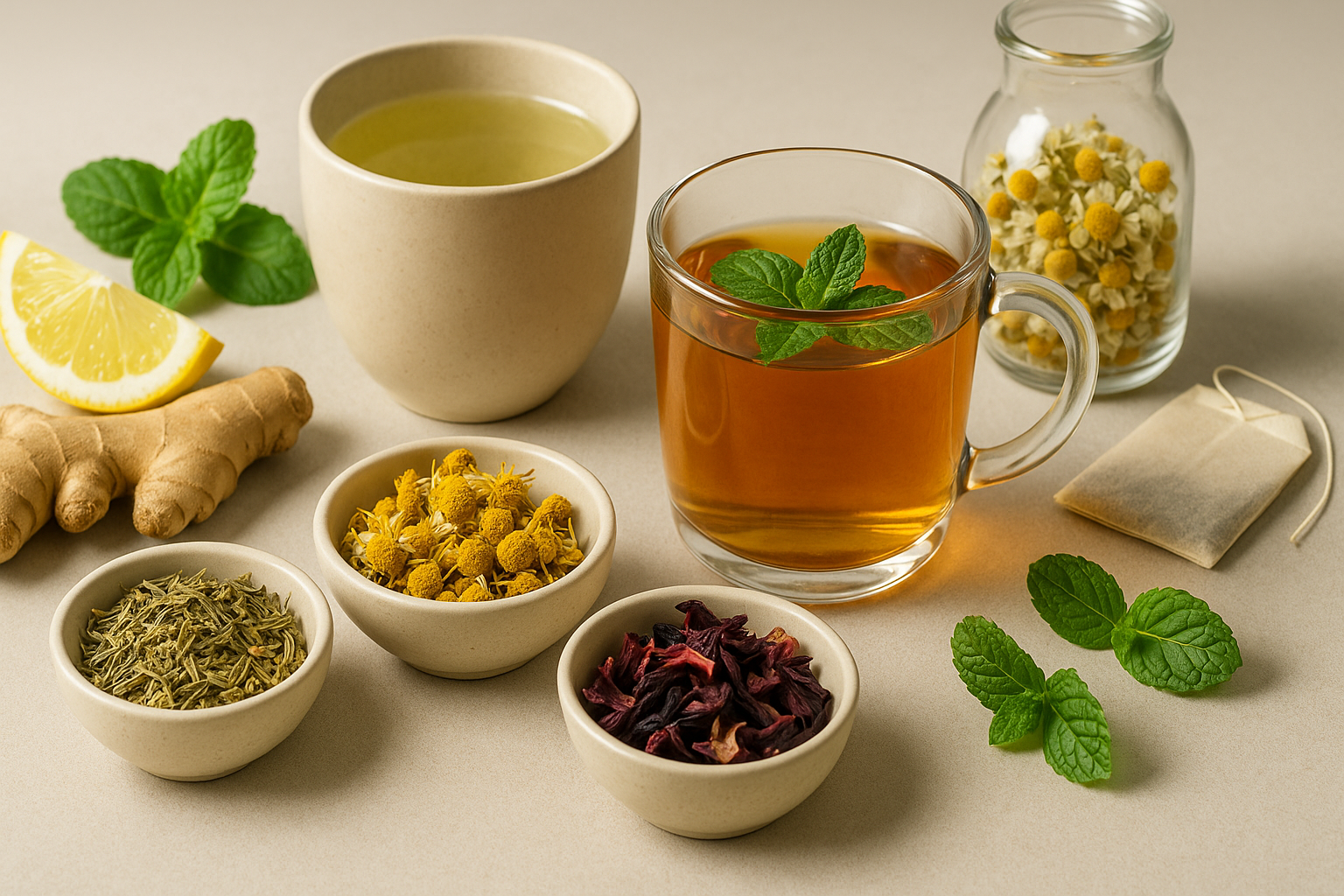
We used to think that weight loss and fat burn were only about strict dieting and regular training. However, effective weight management and fat loss also depend on routine and small habits. One of them is pre-bed drinking. If you consume drinks that affect your body and encourage your body to burn fat, you will see the benefits pretty soon. Still, you should know exactly what you should take before bedtime to make the fat loss more effective. Notice that drinking the right products won't automatically force weight loss. It's a small tip that will make the whole process more effective, as proper training and clean eating remain essential for you. So, what should you drink for weight loss?Do Late Night Drinks Actually Burn Fat?Since the topic of fat-burning drinks is getting more popular, people actively force this trend to empower their weight loss efforts. Still, it's important to clarify what exactly stands behind this trend and how it works.Some drinks, like green tea or coffee, contain caffeine, boosting our bodies so we produce energy and burn fat. This is the reason why people drink coffee or caffeine-rich drinks before training to do more and burn more calories. Another factor that empowers the fat burn is the metabolism boost caused by these drinks. With that, you use more energy throughout the day and cause yourself to be more energetic. Also, fat-burning drinks cause lipolysis - a process that breaks down the stored fat using water and enzymes.A third way drinks may help you get rid of fat is by controlling your appetite. Those who struggle with self-control and keep eating late at night might find pre-bedtime drinks effective. Moreover, drinking tea during the day may prevent you from having unnecessary snacks or sweets, so that you ruin your appetite and eat more than you should.Drinks can become a part of your weight loss journey, but only as a part of a complex fat-burning plan. You should use them as additions to regular training sessions and develop a meal plan that suits you.Fat-Burning Drinks That Support Weight LossThe list of fat-burning drinks before bed includes various options. Depending on individual preferences, lifestyle, and other conditions, people choose what's best for them. In our article, we gathered some of the most common drinks that may appear in your weight loss plan.Cinnamon tea takes only 10 minutes to prepare, but this drink is rich with anti-inflammatory and antioxidant properties that empower weight loss. Moreover, its detoxifying effects remove the waste from the body and give a powerful metabolism boost. To prepare this drink, you need 1 tablespoon of cinnamon, 1/4 tablespoon of black pepper powder, and a tablespoon of lemon juice. Boil 1 cup of water, then add all the components. Mix everything, and let it boil for 2-3 minutes. Remove your cinnamon tea from the pan and strain it. Let it cool a bit and enjoy it before bed.Ginger lemon tea is another unusual option to try. It's also easy in preparation and requires only 4 components:2 cups of water1 tablespoon of grated ginger1 tablespoon of lemon juicea pinch of cinnamonBoil water and add a tablespoon of ginger. Let it simmer for 5 minutes. Once it's done, let it simmer and strain it into a cup. Add cinnamon and lemon juice at the end. For years, ginger lemon tea remained a popular drink in Indian households. Ginger, a main ingredient in this drink, supports digestion and reduces hunger. It makes this drink a top choice for people who chase their weight loss goals.Apple cider vinegar drink may not sound like a weight loss drink at first, until you try it. It takes 5 minutes to prepare this pre-bed drink. To prepare it, you need 1-2 tablespoons of apple cider vinegar, 1 tablespoon of lemon juice, 1 tablespoon of ground cinnamon, and 2 cups of boiling water. Heat the water to a boiling point. Take a mug and mix the rest of the ingredients. Add boiling water to the mug and stir for flavor exchange. Cool the drink and enjoy it before going to sleep.Why does it work? Apple cider vinegar contains acetic acid, which causes metabolism to increase and boosts the fat loss process. It also reduces hunger, so you won't starve for a snack late at night.What Matters for Weight-Loss Drinks?You don't have to consume your drinks and immediately go to bed. To boost weight loss, consider drinking ginger lemon tea, green tea, or anything you choose at least 30 minutes before bed. Choose drinks for weight loss based not only on their benefits but also on your preferences. Analyze your body's reactions and choose what feels better. Sometimes, people drink dairy drinks like yogurt or kefir to get extra protein and kill the late-night cravings. However, if you're not ok taking lactose but still want to promote fat-burning processes in your body, green tea or cinnamon tea will be better for you.A weight-loss drink won't make magic in one day or even one week. It's a feature that will work only if combined with other methods like clean eating and proper training. If you want to achieve your weight loss goals, consider having a meal plan that will free you from stress. You won't have to spend time cooking and will focus on more important things, adding pre-bed drinks to your daily routine.FAQWhat drink burns belly fat the most?Green tea, containing antioxidants and boosting metabolism, is set to be one of the most effective drinks for weight loss.What can you do before bed to lose weight faster?Walking 1-2 hours before bed will prevent you from overeating, as you will focus on activity.What's the most important thing for weight loss?Keeping your metabolism at a high level is one of the most important things to do on a weight loss diet. You boost metabolism, and fat starts to burn more effectively.Can drinks help with weight loss?Some drinks stimulate weight loss, but you can't achieve your goals by only consuming them. You need a full-scale plan with diet and training to lose weight effectively....

How to Choose Bread for Weight Loss?

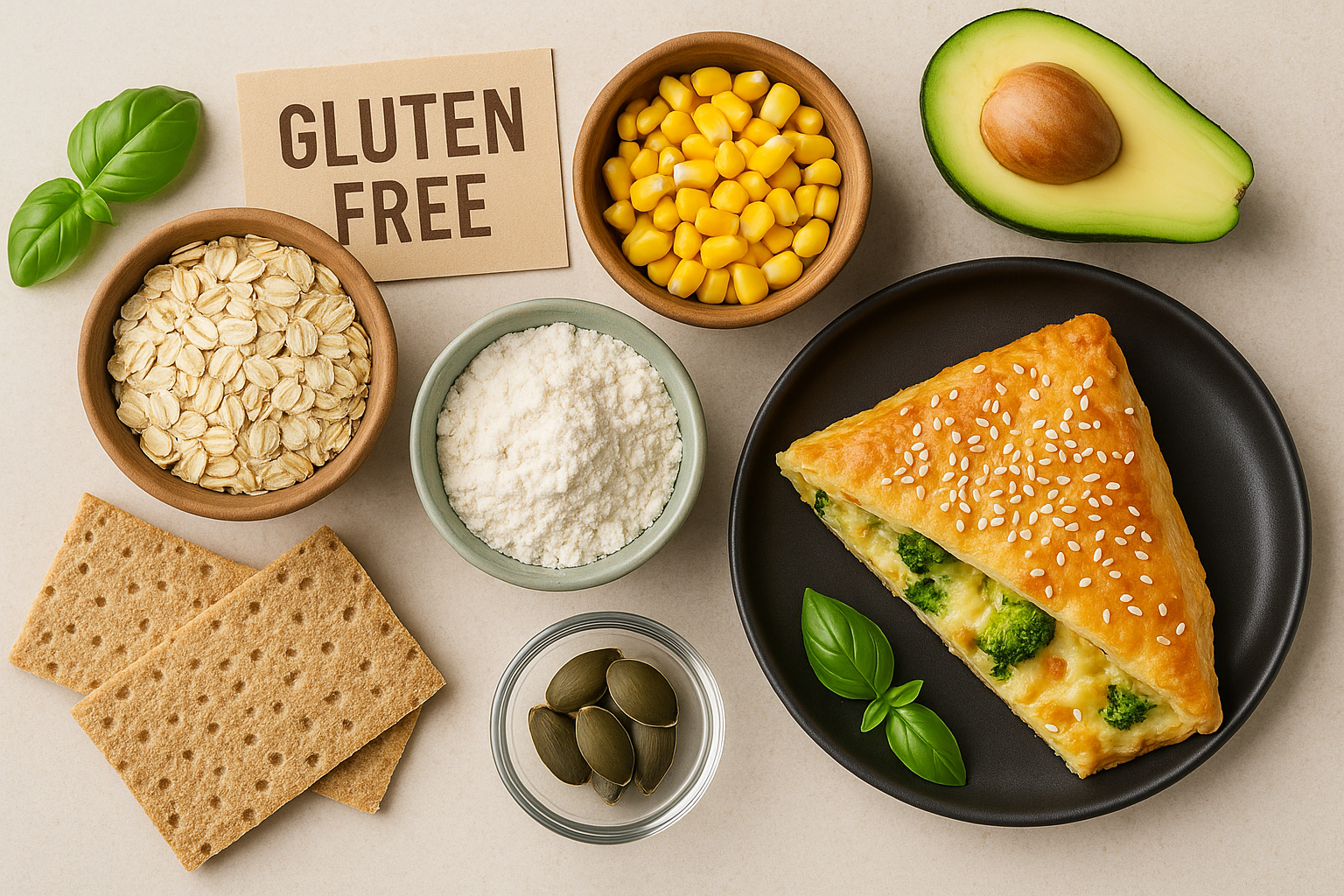
There's a common misconception that people should avoid bread on a weight loss diet. In fact, this is a myth that keeps everyone stressed and stuck to the routine with 2-3 valuable sources of carbs. Today, there are so many valuable types of bread that contain fiber, vitamins, and complex carbohydrates to help you cover the daily norm. Those who have special diet preferences may have gluten-free bread, whole-grain bread, and other products that will give them the needed components. Whether you chase a weight loss goal or try to maintain it, there's always room for bread. It won't harm your body shape or make you fat if you keep the balance. In this article, we will tell you what bread is best for weight loss and how to include it in your meal plans.Whole Grain Bread - The King of Weight Loss ProgramsSo many words have been said about whole grain bread, as it's considered one of the healthiest sources of carbohydrates. Such statements are not pointless, as this product truly provides our bodies with a bunch of components. Rich in fiber, it saturates our bodies with a couple of slices, keeping us full longer and keeping the blood sugar stable. Still, you probably wouldn't eat whole grain bread without adding anything, so there has to be a tasty recipe that keeps you interested. Our #1 recommendation is a tuna sandwich. All you need is to mix canned tuna with celery and make toasts of your whole-grain bread. Put the tuna-celery mix on the bread and add sliced tomatoes on top. Cover the sandwich with the second slice of bread and enjoy your meal. Whole grain bread boosts your body with multiple nutrients, including vitamin B, iron, fiber, and other components. Moreover, it has fewer calories than white bread but gives the same satisfaction.Keto Bread - Something Unusual for Your DietKeto bread is considered a low-carb alternative to original bread, oriented toward people who follow a ketogenic diet. Since they focus on getting fewer carbs and more fats, making it a main source of energy, this product may perfectly fit their ketogenic meal plan. It's usually made of almond flour or coconut flour, making this bread low in calories, high in fats, and rich in fiber. It also has a soft texture, so it's easy to eat this type of bread. In most cases, keto bread is gluten-free, which makes it a flexible option for most diets.If you're on a ketogenic diet, using this type of bread in keto recipes is a good idea. You can combine eggs, bread, and avocado, making a nice toast for breakfast. Want a quick snack? Have a slice of bread with peanut butter and receive a power-up with healthy fats and no sugar. If you want something more calorie-dense for lunch, make an egg salad with keto bread. It will cover your daily protein and fat intake, giving you a light meal at the same time.How to Choose Bread for Weight Loss?Since there are so many options, people always try to find the healthiest bread that will keep them full but give all the needed nutrients at the same time. Whether it's a sprouted bread, a keto bread for a fat-oriented meal plan, or some other bread, you should know the basic parameters of choosing the product of the highest quality. First, always pay attention to the amount of added sugar. A high-quality bread for weight loss will include less than 2 grams of added sugar per slice. Always check the info on the package to know for sure. Second, check the ingredients carefully. The next point to notice is the amount of fiber. It should be at least 3 grams of fiber per slice. Whole-wheat bread and Ezekiel bread are the options you should look at when choosing a fiber-rich product for your meals. How to Maintain Bread in a Diet?The best time to eat bread is in the morning. Including healthy bread in your breakfast will make it easier for you to consume the needed amount of carbs, giving you a nice alternative to oatmeal or cereal. If you plan to add bread to a meal, make it the only source of carbs. Don't mix it with potato or pasta, as it may make you feel overwhelmed. Last but not least, don't focus on the bread as the only carb source in your meal plan. Create a list of carb sources you enjoy the most and spread them through the day, creating variety and taking all the components your body needs.FAQCan I eat bread every day and still lose weight?If you stick to your daily diet with a balance of carbs, fats, and protein, taking low-sugar bread like whole grain or sprouted bread will be OK. Control the portion size and create variety with other ingredients. Should I take gluten-free bread for weight loss?Gluten-free bread is a good option for a weight loss program. It won't make you feel overwhelmed and will give you all the needed components, including fiber, vitamins, and minerals.What amount of bread should be taken per day?Having 1-2 slices of bread per day is a recommended amount for weight maintenance. If your goal is to lose weight, consider taking no more than 2 slices. If you need to gain weight, get 3-4 slices daily....

Is Rice Good for Weight Loss
Is Rice Good for Weight Loss?

Rice is considered one of the most common sources of carbs. Depending on the type of product you choose, it contains dozens of healthy nutrients, including carbs, magnesium, iron, and others. Moreover, rice contains high-quality carbs, which makes it a great component in almost every diet. Dozens of high-quality rice recipes help individuals with weight management, weight loss, and muscle gain. However, an element of skepticism still exists in people's minds. Do we really need rice for a weight-loss diet? Are there any good alternatives to get carbs? What type of rice is better for a low-carb diet? Such questions remain unanswered, as people may still think that this type of food is ruining their meal plans. In our article, we will explain in detail why rice consumption is not that bad for your diet.Type of RiceCalories (per 100g cooked)Glycemic Index (GI)Fiber (g)Diet ValueBrown Rice111501.8High fiber, good for weight loss and blood sugar controlWhite Rice130720.4Low in fiber, high GI – less ideal for dietingBasmati Rice12050-580.7Lower GI than regular white rice, suitable for moderate dietsJasmine Rice12968-800.6Aromatic, but high GI – limit in low-carb or diabetic dietsWild Rice101451.8Low in calories, high in protein and fiber – great for dietingBlack Rice110~422.0Rich in antioxidants and fiber – ideal for weight managementThis table showcases major types of rice and their characteristics. With that, you’ll understand what component may suit your diet the most.White Rice, Brown Rice, and Wild Rice: What’s the Difference?Let's focus on the three most popular types of cereal grains and define how they may suit your diet. White rice, compared to other types, contains less fiber and healthy nutrients than other grains. On the other hand, it contains a high amount of carbs (26 per 100 grams) and helps you achieve saturation faster. However, some dietitians suggest removing white rice from weight loss diets, replacing it with brown rice or any other carb source. The reason why this happens is that this cereal grain has a high glycemic index. It's rather a quick source of energy, high in carbs and low in fiber. Those who focus on weight gain or manage their current condition often prefer white rice as their main source of energy.Brown rice differs from white rice significantly. This type of grain has a high amount of fiber, vitamins, and minerals. This product is much better for glycemic control and usually becomes the #1 choice for people with diabetes. Brown rice often becomes a key component in diabetes-friendly recipes. Whether lunch or dinner, it helps saturate the body and satisfy hunger.Wild rice is another option on the table for those who follow a balanced diet. Technically, it's not 100% rice. This is a product of an aquatic grass, and it's not directly related to rice. However, it's one of the most popular foods for those who want to consume fewer calories, control glycogen in their bodies, and add something new to their diet. Moreover, wild rice contains high amounts of fiber and protein (nearly 15% of this component when having 75% carbohydrate and 6.2% dietary fiber). On top of that, this product brings high antioxidant activity, almost 15 times higher than white rice.Why Do People Hesitate to Include Rice in the Diet?Despite obvious health benefits, people often hesitate to include rice, especially enriched white rice, in a weight-loss diet. On one hand, this product helps you feel full and satisfied while consuming fewer calories. The negative aspect is that rice intake may destabilize your glycogen level, especially if you focus on taking white rice only. However, there is no direct proof that rice intake leads to weight gain and ruins your diet. If you are tired of eating the same type of food all the time, you just may need to vary your products. That's why taking different grains like brown rice, wild rice, or even black rice may change the concept of your meal plan. Weight loss programs are not about taking in fewer calories. It's about creating an energy deficit by implementing activities and changing your habits. By consuming different types of rice, you keep yourself interested and help avoid unnecessary stress. Moreover, white rice may get you bored, especially if you have to eat less than you used to. Still, if you implement changes and add other types of rice into your weight loss plan, it will change everything.Simple Dieting: Wild Rice Recipe for Your Weight Loss PlanAre you struggling with recipes for your weight loss diet? It's complicated when you take rice just as a source of energy. Try to take rice as part of a tasty meal that will keep you satisfied for a long. How? By cooking something special. Try a wild rice veggie bowl that will fill you with fiber, carbs, protein, vitamins, and other essential nutrients. For this recipe, you need:2 diced sweet potatoes2 cups of Brussels sprouts1 half of a chopped red onion3 cups of vegetable brothPreheat the oven to 200°C and toss the main ingredients into a large bowl, adding 3 tablespoons of olive oil and spices, and mix everything. Spread the mix on a baking sheet and roast for 25-30 minutes to achieve caramelization. While veggies are cooking, clean the wild rice and cook it with vegetable broth, a bay leaf, and a pinch of salt. Bring the mix to a boil, then lower the heat and simmer for 45 minutes. When the liquid is absorbed, remove the bay leaf. In a separate bowl, mix the spices: tahini, maple syrup, minced garlic, salt, and pepper till the combination gets smooth. Finally, combine rice and roasted veggies. Add dressing on top and enjoy your meal!Creating a deficit diet for weight loss may be complicated if you don't know how to create variety among the products you consume. However, if you combine various ingredients and find alternatives (for example, pick brown rice instead of white rice), eating rice will no longer be boring for you. Moreover, if you don't have time to cook yourself but want to have a well-balanced diet, try our healthy meal plans. Our chefs create a perfect balance of taste without neglecting macronutrients.FAQIs wild rice actually rice?Wild rice is not considered as rice. It's a product in an outer sheath with a grain inside that has a slightly vegetal taste.Should you eat white rice only to lose weight?You can eat different types of rice to lose weight. Try jasmine rice, brown rice, or black rice. These components have a low glycemic index but give you the same saturation.Is rice the only source of carbs on a diet?You can eat sweet potatoes and whole-grain pasta occasionally instead of rice for a proper balance....

Healthy Low-Sugar Breakfast Recipes to Notice

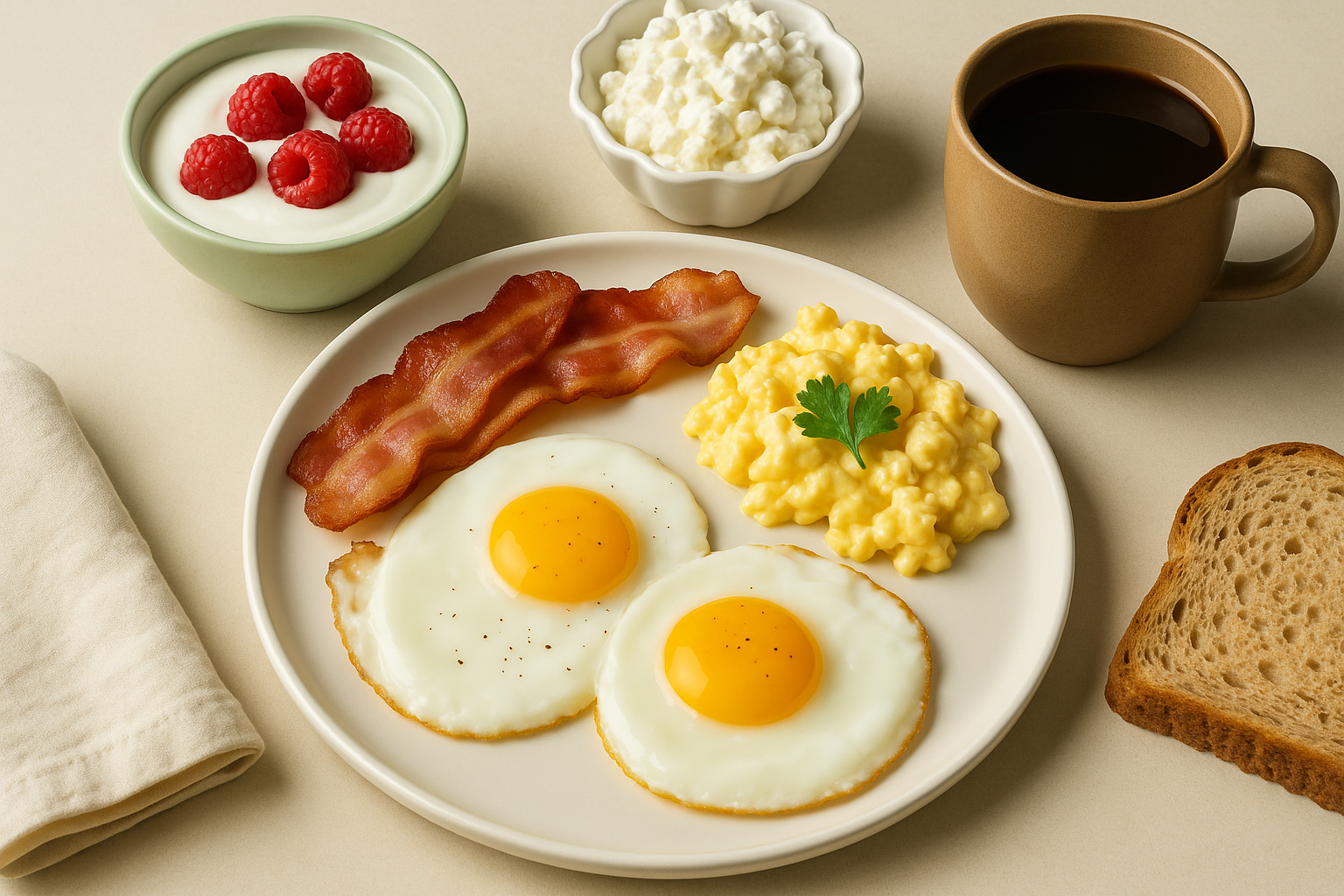
You don't need sugar to cook a tasty breakfast. It's a matter of fact, as the number of healthy recipes is constantly growing, offering new options for food lovers. Having coffee with a croissant or a cookie never gets old, but it won't allow you to stay productive for long. In 1-2 hours, you'll feel hungry again. A healthy breakfast that is well-balanced and contains all key elements (carbs, protein, fats, and fiber). Low sugar doesn't mean sweetness, as you should give yourself a spark at the beginning of the day. What could it be? How to craft a nutritious breakfast that is low in sugar? What healthy fats can you have in the morning? Keep reading our article to find out.The basic principles of cooking healthy, low-sugar breakfastPrincipleDescriptionExamplesChoose Whole GrainsOpt for whole grains instead of refined carbs to stabilize blood sugar.Oatmeal, whole wheat toast, quinoa, buckwheat pancakesInclude ProteinHelps keep you full and supports muscle maintenance.Eggs, Greek yogurt, cottage cheese, tofu, nutsIncorporate Healthy FatsProvides energy and supports brain function.Avocados, nuts, seeds, olive oilLimit Added SugarAvoid processed sugars and sweetened products.Use natural sweeteners like berries or cinnamonAdd Natural SweetnessRely on whole fruits instead of refined sugar.Bananas, apples, berries, dates in moderationHydrate WellDrink water or herbal teas instead of sugary drinks.Lemon water, green tea, infused waterMix the Ingredients and Create DiversityThe biggest problem with cooking is that people usually rely on the same recipes and use almost the same ingredients. Even though they try to cook their favorite dishes and satisfy themselves, it comes down to some similar breakfast options that could be improved a bit. Over time, it leads to repeatability and loss of interest. Moreover, people think that healthy food can't be satisfying, so they limit themselves to sweetness, causing stress and anger. That's now how things should go. You need to find the balance and satisfy your body with a wholesome breakfast. To achieve that, follow these simple but essential rules:Give preference to natural products. For protein, choose eggs, cottage cheese, chicken, salmon, and yogurt. For fats, get peanut butter, avocado, and so on. For carbs, get whole-grain bread, berries, tortillas made of whole grain flour, etc.Measure your portions. To avoid overeating or starving, measure your portions. You should feel satisfied and energetic after finishing your breakfast.Drink water without added sugar. People often take fruit juice for breakfast. It raises the blood sugar levels, but you will feel the backlash later. Drink 1-2 glasses of water 30-60 minutes before eating to activate your body. Take a cup of black coffee with almond milk for breakfast, or replace it with herbal tea. Find a replacement for sugars. Berries and fruits replace added sugar and complete a nutritious breakfast. Fructose boosts the sugar level without breaking the balance, so you won't feel hungry for an hour or two. If your goal is to control your body weight, you need a balanced weight maintenance meal plan that includes a healthy breakfast. Once you don't have time to cook for yourself or you're not sure what exactly you want, try a plan from Lifter Life. Our chefs keep control of meal preparation and ensure you'll get high-quality meals every day. You do not only start your day with a healthy breakfast but also keep up with lunch, dinner, and midday snacks.Healthy Low-Sugar Recipes for BreakfastOvercoming sugary habits and creating a healthy lifestyle may not happen fast, but it will be worth your time in the end. When you have an understanding of how different components work in your body and what they bring to you, you'll quit sugar completely without forcing yourself. To achieve that, you should have some breakfast ideas consisting of high-quality ingredients. We have several recipes with different patterns, giving you diversity.The first will be the pancake recipe. People usually don't refer it to healthy breakfast idea because of the added sugar and sunflower oil. However, you can change the original recipe and remove sugar and oil. Mix eggs, milk, and flour (1 large egg, 1 cup of milk, and 1 cup of flour). Add cocoa if you want, and cook your pancakes with butter. For the opping, use honey and berries. The second option on the list will be oats cooked with peanut butter. Oatmeal is considered one of the best options for breakfast, as you can cook it in so many variations. The version we present today suggests combining oats with natural peanut butter. To cook this recipe, you need:Rolled oatsPeanut butterAlmond milkUnsweetened cocoa powderTake a small bowl and mix oats and almond milk. Put it into a microwave for 2-3 minutes, stirring it sometimes. Once the mix is cooked, add peanut butter and cocoa powder, stirring till reaching the proper condition. If the meal is not sweet enough, consider adding 1/2 of a banana, as it will give a better texture to oats, combined with peanut butter and almond milk.The next on the list are egg sandwiches. with mozzarella. Heat the skillet and put on some butter. When it melts, put on two pieces of whole-grain bread. When it gets crunchy from one side, put a slice of cheese on one piece and crack an egg on the pot. Lower the heat and wait for the egg to cook completely. Once it's ready, put it on the cheese and cover with the second piece of bread. In this meal, you get a well-balanced combo of protein, fats, and carbs. It does not include berries or some alternatives to sweets, so if you want to fill the gap, take bananas or fresh berries.Nutrient-Dense Breakfast Is Easy!A stereotype that getting a yummy breakfast without sweets is tough doesn't work anymore. When you have a list of your favorite products and an understanding of how to combine them for cooking, there's no problem in giving yourself a healthy breakfast. Moreover, you can always search for something new and find extra recipes that'll keep you going. Moreover, if you are tired of cooking or want to skip this activity for a while, consider getting cooked breakfasts from chefs. Kickstart your day with something special and get rid of unneeded sugar completely.FAQWhat to cook for breakfast with no sugar?You can cook egg sandwiches, fruit smoothies, overnight oats, and other recipes based on whole-grain and natural products. How to cook breakfast egg wraps?For breakfast egg wraps, cook eggs on a frying pan. Add toasted cheese and some ketchup for flavor. Put it on the wrap and roll up your wraps. How to cut sugar from your diet?Slowly reduce the amount of sugar in your diet, consuming fewer sweets every week. It makes your body adapt to new conditions and switch to a diet with no sugar in it....

protein
Essentials You Need to Know About Protein

Protein is one of the most talked-about nutrients in health and fitness, yet it’s often misunderstood. Is it only for bodybuilders? How much is too much? And do you really need a shake after every workout?The truth is: protein is essential for everyone—not just gym enthusiasts. It plays a role in everything from muscle repair to immune health and even appetite control.In this article, we’ll break down what protein is, why it matters, how much you actually need, and the best sources to help you stay strong, energized, and on track with your goals.What Is Protein and Why Is It Important?Protein is a macronutrient made up of amino acids—often referred to as the building blocks of the body. These amino acids are used in nearly every biological process, from building muscles to producing hormones.Here’s why protein matters so much:Muscle Building & Repair: Especially after exercise or injury, protein helps repair and rebuild muscle tissue.Immune Support: Many immune cells and antibodies are made from protein.Hormones & Enzymes: Key hormones like insulin and enzymes that aid digestion are protein-based.Weight Management: Protein helps you feel fuller longer, reduces cravings, and supports fat loss.Simply put: protein is crucial for energy, recovery, immunity, and long-term health.How Much Protein Do You Really Need?The general recommendation for protein intake is about 0.8 grams per kilogram of body weight. But that’s just the minimum needed to prevent deficiency—not necessarily the amount that optimizes health or performance.You may need more protein if you:Are physically active or lift weights regularlyAre over 50 years old (to prevent muscle loss)Are trying to lose weight or maintain muscle while in a calorie deficitAre recovering from injury or illnessHere’s a rough guide for different lifestyles:GoalDaily Protein TargetSedentary adult0.8–1g per kg of body weightActive adult1.2–1.6g per kgMuscle building1.6–2.2g per kgWeight loss1.6–2g per kgSo if you weigh 70 kg and want to maintain strength while losing weight, you'd aim for 112–140g of protein per day.Best Sources of ProteinProtein can come from both animal and plant sources. The key is variety—and making sure you get all essential amino acids, especially if you’re plant-based.Animal-Based ProteinChicken breast (~30g per 100g)Eggs (~6g per egg)Greek yogurt (~15g per 170g serving)Fish (salmon, tuna, cod – 20–25g per 100g)Lean beef (~26g per 100g)Plant-Based ProteinLentils (~18g per cup cooked)Tofu (~10g per 100g)Tempeh (~19g per 100g)Chickpeas (~15g per cup)Quinoa (~8g per cup cooked)Nuts and seeds (varies, ~5–8g per serving)Combining different plant proteins (like rice and beans) can help provide all essential amino acids.Protein and Weight Loss: What You Should KnowIf your goal is fat loss, protein should be your best friend.Here’s why:Increases Fullness: Helps reduce hunger and keeps you satisfied longer.Supports Muscle Mass: Prevents muscle loss during calorie deficits.Burns More Calories: Protein has a higher thermic effect (it takes more energy to digest compared to fats or carbs).Eating protein with every meal helps maintain muscle and keeps your metabolism humming.Protein Timing: Does It Matter?You’ve probably heard you need to consume protein immediately after a workout. While there’s some truth to nutrient timing, consistency matters more than perfection.Aim to spread protein intake evenly across meals.If you work out, a protein-rich meal or shake within 1–2 hours helps recovery.Getting enough protein daily is more important than stressing over exact timing.Should You Use Protein Supplements?Protein powders aren’t necessary for everyone—but they can be helpful in certain situations:Post-workout recovery when you're on the goBusy schedules when whole food isn’t availableVegan diets that may lack complete proteinsWhen choosing a supplement:Look for minimal ingredientsAvoid added sugars or artificial fillersChoose third-party tested products when possibleRemember: supplements should supplement, not replace, whole foods.Common Myths About ProteinLet’s clear up a few misunderstandings:Myth 1: Too much protein harms your kidneysIn healthy individuals, there’s no solid evidence that high protein intake damages kidneys.Myth 2: You can only absorb 30g of protein per mealYour body can use more than 30g at a time; absorption is continuous, and protein still contributes to your daily intake.Myth 3: Vegans can’t get enough proteinWith proper planning and food variety, plant-based diets can easily meet protein needs.ConclusionProtein isn’t just for athletes-it’s essential for everyone. It plays a crucial role in your body’s repair, energy, metabolism, and satiety. The key is to consume the right amount for your body and goals, from a mix of nutritious whole food sources.Whether you're looking to build strength, lose weight, or simply eat better, protein should be a foundational part of your plate.Need help hitting your protein goals? Lifter Life’s meal plans are packed with protein-rich meals that make healthy eating easy and delicious—so you never have to guess what’s next....

Effective Nutrition Tips
Effective Nutrition Tips to Give Fuel to Your Body

Building a perfect body requires two major steps: eating and training. Most people consider training the most difficult part, as you have to follow the discipline, do cardio, and maintain your workload. However, eating is more important than lifting weights. A proper diet will maximize your workout efforts and help you maintain weight better. Whether you do heavy training willing to compete as a bodybuilder or it's a casual fitness routine, eating the right foods matters a lot. With a properly balanced eating and exercise schedule, you will keep your body healthy and strong, developing endurance and having enough energy for your daily routine. The protein intake, the balance of carbohydrates and fats, as well as the overall calorie amount, become essential for your success. If you want to know how to fuel your body for effective training and enough energy all the time, this article is just for you. We will guide you through the main nutrition patterns and tell you what to eat for training.Eating Before Training: Fuel the Tank for Productive WorkoutWhere do you get the energy you need for effective training? In the food you eat! Whether you want to lose weight or maintain your current condition, having a high-volume meal is essential. To perform your best in the gym, you should have high-quality fuel inside. Ideally, you should eat 2 hours before the workout. The meal should consist of healthy carbohydrates and add a small portion of protein. Taking a lot of fats and protein won't be good, as it takes more time for your stomach to digest these components. Carbs, on the other hand, will give you energy and fuel to perform well in the gym.If you train in the morning and your pre-workout meal is breakfast, you can eat the following:Oatmeal with fruits and honey. Optionally, take a cup of coffee to have more energy.Fat-free yogurt with fruits and granola.Whole-grain toasts with peanut butter and bananas. Two-egg omelet.These options do have protein and fats, but since we eat two hours before training, it makes sense to consume such products. Moreover, by taking a portion of protein in the morning, you start covering your daily rate. Healthy fats from eggs and peanut butter will also give you energy, which will later be burned during training.Eating During the Workout: Yes or No?Usually, people are not supposed to take food during their training sessions. If you train for less than 60 minutes, it's not necessary to take additional food. You finish your workout and have a post-workout meal according to your schedule. However, if the training lasts for two or more hours, it makes sense to take additional carbohydrate-rich drinks or food. It could be a bar with fructose (high-quality bars do not have added sugar) or one of sports nutrition drinks. Isotonic drinks, also known as electrolyte drinks, are very common around bicyclists, crossfit sportsmen, and others who have high-volume training. For example, athletes who perform in Iron Man competitions always have energy drinks, bars, and gels as snacks. Taking them at the right times helps to replenish the level of energy. Such mid-workout meals won't ruin a balanced diet but will do more benefits by giving you enough energy for your exercise routine.Post-Workout Meal: Eating Right Foods to Close GapsThere's a wrong misconception that you should skip your post-workout meal if you're on a weight-loss diet to cut the overall number of daily calories and speed up the weight-loss process. First and foremost, never do that. You will do more damage to your body if you skip your meal. Second, you should have a well-balanced meal after training. It should contain carbs, protein, fiber, and unsaturated fats. All components are essential for building muscles and burning fat, as they keep your metabolism at a high pace. Depending on your fitness goals, the amount of components and overall portion size may differ. For example, the average dose of protein per serving is about 20–40 grams. The amount of carbs depends on your goals, but usually it's about 50-80 grams of carbs per serving. The amount of fat depends on the overall amount of fat in your diet and the way you distribute them throughout the day. What to eat after the workout? Here are the most common options to try:Chicken and rice with salad. A good balance of carbs and protein with fiber to simplify the digestion.Banana and protein shake. In case you can't eat a normal meal on time after training, take a quick option to fuel yourself.Baked salmon with sweet potato and broccoli. A high-quality meal that contains the needed nutrients and elements, including omega-3 fatty acids from fish.Whole-bread sandwich with tuna and avocado. A healthy to-go post-workout meal to help you feel satisfied and get plenty of healthy components.In case you're struggling to cook meals yourself or don't have time to do it properly, there's always a good alternative. By ordering a well-balanced meal plan, you receive a plan full of high-quality food around your workout. We swap meals all the time, so you won't get bored eating the same food from week to week.Avoid Processed Food in Your DietA huge mistake people make is reducing the quality of food they consume. Why do they do that? They think that intense training sessions will keep their metabolisms high anyway, so eating healthy is a second-tier priority. The quality of the food you take matters a lot, especially if you chase specific goals (weight loss, fat burn, etc.). Regardless of the calorie amount or overall amount of food, you should have high-quality carbs, lean protein, and healthy fats. Nobody says you can't cheat or get snacks, but you should do it wisely. Try following the 80/20 rule. 80% of your food should be clean, and use the other 20% for your favorite desserts, snacks, drinks, etc. We've discussed the science behind cheat meals and cheat days in our recent article, explaining how they can help you stay in shape and how often you can cheat.Stay Hydrated All the TimeBesides eating well, counting calories, and maintaining your diet, it's essential to drink enough water. Getting enough liquid daily will help your body function well and have enough energy. The golden rule is: 1 liter per 1000 calories or 1 liter per 30 kilograms of body weight. Drink water during the workout to avoid dehydration, and remember that drinks like tea and coffee should be compensated by an additional amount of water. If you are not sure you drink enough per day, keep a bottle of water with you all the time. Whether you go shopping, walk in the park, or whatever, you'll always have a reminder to drink.High-intensity exercise routines combined with a well-balanced diet will help you get in shape faster than you could imagine. You'll see how your body transforms, getting rid of extra weight, fat, and water that stayed in your body for too long. FAQWhat is the best thing to eat before a workout?The best option to eat before a workout is the one that contains high-quality carbs. Such meals will give you enough energy to work in the gym.Is it OK to workout on an empty stomach?Having no pre-workout meal reduces your stamina and leads to fatigue, which means your training won't be very effective.Should I take protein after the workout?Taking protein after training will help restore muscles and close the gap in daily protein intake. Make sure the amount of protein in one portion is around 30 grams....

Intermittent Fasting on Weight Loss
Effects of Intermittent Fasting on Weight Loss

In searching for the most effective weight loss methods, people have tried multiple options. From strict calorie deficits to low-carb meal plans, they all have different effects. What remains the same is the fact that your body remains under stress during weight loss because of a calorie deficit and intense workouts. In one of our previous articles, we analyzed the most unhealthy ways to lose weight, mentioning what approaches cause damage to your body (for example, skipping meals or chasing fast results). Intermittent fasting differs from other methods of reducing body weight, as it limits the time when you can eat and helps you with weight loss. The implementation of an intermittent fasting plan may take a while, but in short, it will lead to weight loss and reduced fat percentage in your body. Keep reading this article, as we will tell more about intermittent fasting and how it helps in burning calories and reducing weight.What Is the Sense of Intermittent Fasting?The main difference between intermittent fasting and other major weight-loss diets is in the approach. When you do intermittent fasting, you focus on not what to eat but when to eat. When fasting for weight loss, you divide your day into two-time intervals: 8 hours and 16 hours. During the 8-hour time interval, you eat your meals, and during the 16-hour time interval, you're fasting. The idea behind this eating plan is to let the body exhaust sugar stores and switch to using fat as the main resource. Besides chasing the goal of losing weight, people try intermittent fasting for weight management. They rescale the amount of food and change the pace of their training sessions.First, when you only start implementing intermittent fasting for weight loss, your body may be stressed. It's normal because you change the behavior and the schedule. It will take some time to adapt, but initially, your new weight loss strategy will bring you some visible results in weeks. Moreover, the 16/8 fasting model is not the only one you can use. There are several ways to manage your time for fasting and eating:14/10 method. You eat during a 10-hour window and then fast for 14 hours. A good option for those who want to start doing intermittent fasting as the time frame to take food is longer.18/6 method. A more strict option of fasting, as you have a short 6-hour frame for eating. Usually, people who stick to such a schedule eat between 2 and 6 p.m. while fasting for the rest of the day. The 5:2 method. A non-standard approach where you eat normally for 5 days. For the rest of the week, you limit yourself to 1 meal that contains 500-600 calories. It's an alternative for people who can't do classic intermittent fasting but want to get the benefits of this diet. One Meal a Day (OMAD). An extreme version of fasting where you have 1 large meal a day and fast for the rest of the day. This should be a high-volume meal containing key nutrients and all the components (protein, fats, carbohydrates, and fiber).Instead of limiting the amount of calories you can consume, you get time restrictions on your weight loss meal plan. It means that you can still eat the same amount of calories and have regular meals. Due to the change in biological rhythm, you don't eat too much or take the food too late, which is also not good for your body.Combining Intermittent Fasting With Workouts to Lose WeightHealthy weight loss is not only about changing your behavior in eating; it's also about implementing regular physical activity and keeping your muscles in shape. So, how to combine intermittent fasting with workouts to lose weight and keep yourself healthy?The main point is to understand when to work out and how. If you do both cardio and weightlifting, it makes sense to divide them. Do a low-intense cardio session before you break the fast, as your body will keep using fat as the main source of energy. The weightlifting session should come during the eating frame, as you will restore the energy and give your body fuel for further activity. Moreover, you will have a post-workout meal, so the energy window will be closed. Besides, it's important to drink enough water to avoid dehydration. The impact of intermittent fasting on health can be significant, but you have to make sure your body gets all the needed components to keep up with your regular activity. Choose water with electrolytes to avoid fatigue, and take black coffee or green tea to improve endurance and provide additional energy boost.Develop your training schedule according to the selected fasting dietFasting ScheduleBest Time to Work OutRecommended Workout Type16/8Before breaking the fast (low-intensity) OR after eating (strength, HIIT)Cardio during fasting, Strength training when eating.18/6 After first mealHigh-Intensity Interval Training (HIIT)OMAD (One Meal a Day)1-2 hours before the mealWeight lifting5:2 DietOn eating daysWorkout of your choiceNegative Aspects of Intermittent FastingDespite having several health benefits, intermittent fasting can still have side effects. On the first days of fasting, it could lead to decreased concentration, fatigue, nausea, insomnia, and other negative consequences. They mostly appear during the first days of new restrictions on weight loss, as your body has to adapt. Later, when you switch to a new schedule completely, there will be no problem with fasting. What you can do is:Ensure you are eating enough and consuming the needed elements.Drink enough water and stay hydrated.Monitor your health condition.If you wonder what to eat on intermittent fasting for weight loss, there's always a good option to get a weight loss meal plan. It's well-balanced in terms of calories, portion sizes, and number of meals. A weight loss meal plan contains 7 meals, including snacks, and offers different options all the time. With it, you won't be struggling to eat the same food, as our chefs will keep you satisfied during your fasting weight loss program.FAQHow much weight can you lose with intermittent fasting in one month?With proper training and an eating schedule, you can lose up to 2 kilograms in one month. The result will depend on the quality of the food and the pace of your training.Is the 16/8 the only method for a fasting diet?You can do different time frames of intermittent fasting. It can be a 14/10 model, an 18/6 model with a small window for eating, or a 5:2 model as an alternative.What food should you avoid during intermittent fasting?Don't add processed products, high-calorie snacks, fast food, and sugary drinks to your diet. They cause calorie disbalance and lead to blood sugar spikes, making you feel hungry soon after having a meal....

Get Lifted, Today!

Sign-up for our updates and exclusive offers!

Whatsapp